This week: No justice from MPD investigation of officers in the case of Jamar Clark, UMN group Compass advocates for LGBTQIA business students and “Durades Dialogues” at Mia highlight African-American artists. Continue Reading
This week: updates on the Philando Castile case, greencard concerns in the Hmong community and the visibility of Minnesota’s Oromo community. Continue Reading
The first thing I was taught about race was that it didn’t matter. Like so many others I was taught to ignore the color of a person’s skin and to judge people on the “content of their character.” This was the extent of my racial formation. This color-ignorance became the dominant approach after the Civil Rights movement, and has only gained steam in the supposedly post-racial world the election of Barack Obama ushered in. The problem with color-ignorance is that it erases the reality of racism and leaves white folks incapable of understanding the experiences of people of color, and therefore incapable of contributing to justice in meaningful ways. Nothing illustrates this inability better than the phenomenon of respectability and what it signifies depending on your race. Continue Reading
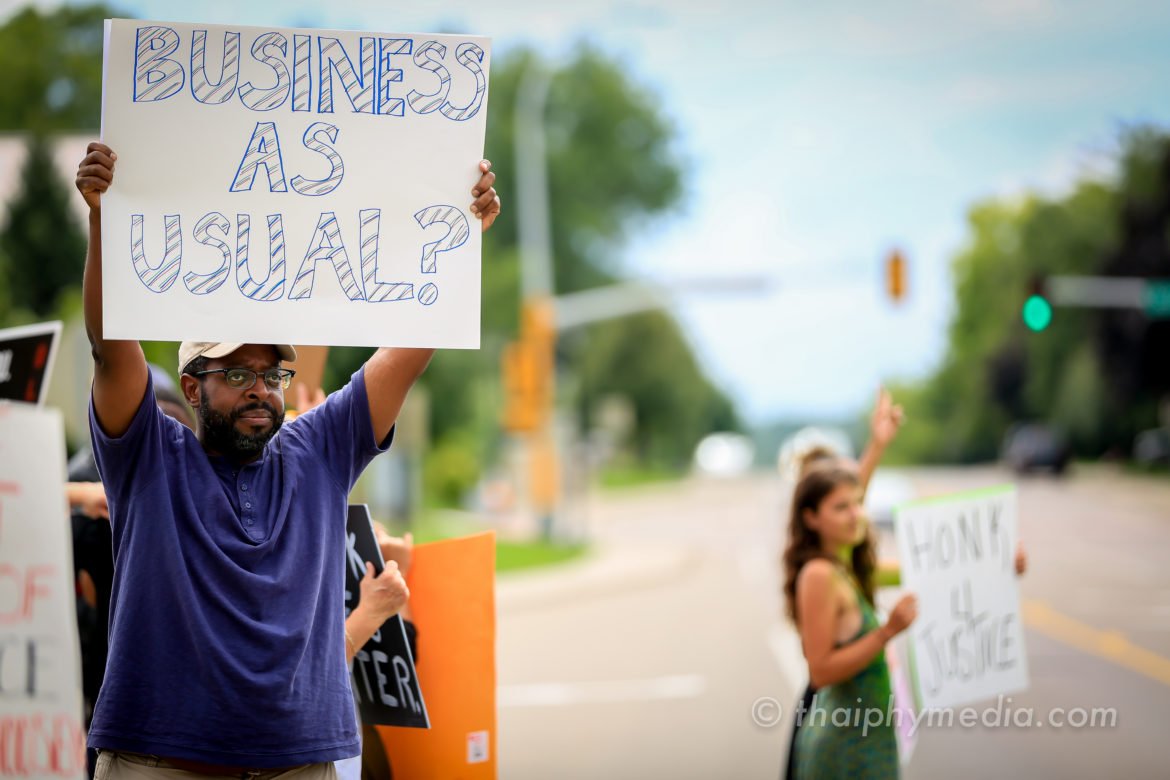
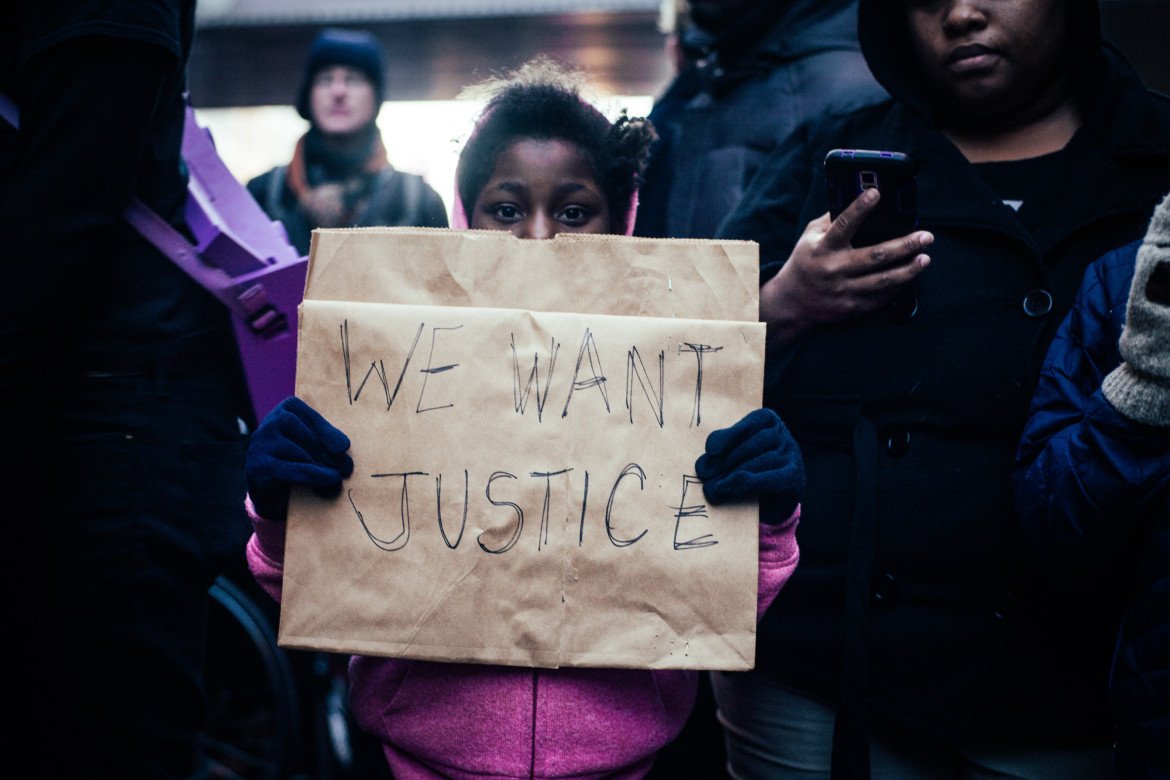
In certain circles, shooting an unarmed person of color in front of a child is only awful if we can prove that the victim deserved to live. For them, respectability sources the right to draw air. Continue Reading
This week: Philando Castile’s funeral, Minnesotans “dump Trump” at the RNC and supporters fill Lynx game after Lt. Bob Kroll’s offensive comments. Continue Reading
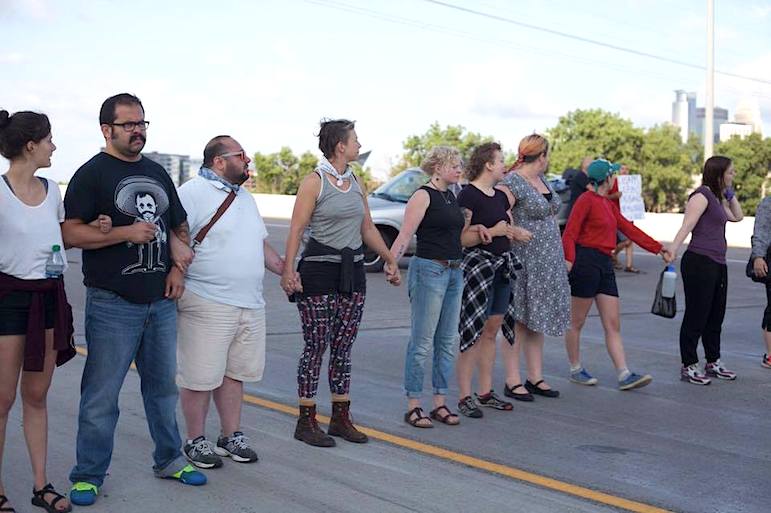
In this Community Voices video, two protesters–Mica Grimm and Alicia Lucio–who were on the ground that night along with Aria Weatherspoon share their side of the story. Continue Reading
This week: a son realizes his mother’s fears, Insure the Police passes important hurdle and decolonizing thinking processes within the African immigrant community. Continue Reading
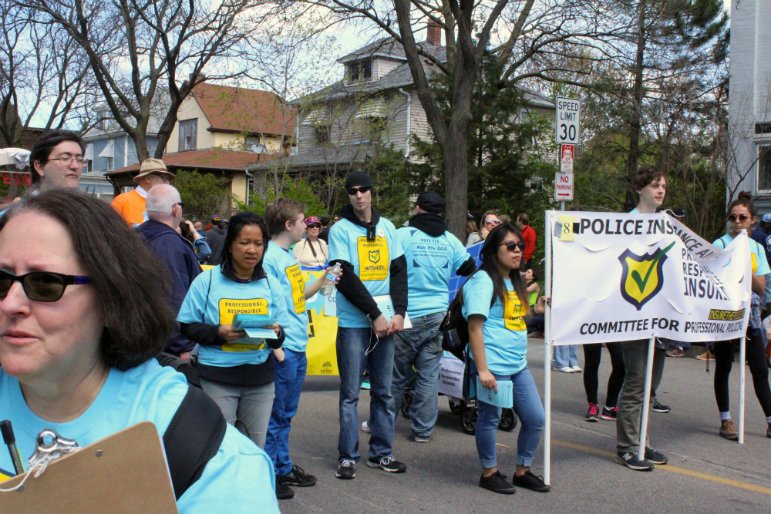
In November, Minneapolis could be the first city in the nation that requires law enforcement officers to carry their own personal liability insurance. Continue Reading
As protesters aligned with Black Lives Matter-Minneapolis (BLM-Minneapolis) took to the streets over the past few weeks, the now-familiar message was clear: Clark did not deserve to meet his untimely death on a North Minneapolis sidewalk by a bullet in his head. His death, another tally in a string of fatal encounters between unarmed black men and law enforcement agencies across the country, was another notch in the need to address the issue of discriminatory police practices and for reform. The formulaic response to yet another police killing also meant a backlash against the narrative of who the real victim was in this fatal encounter. Continue Reading