Long before the election polls closed and the DFL walked away with the winning hand in the state’s House and Senate races Tuesday, advocates were making the case for more help for Minnesota’s poor.
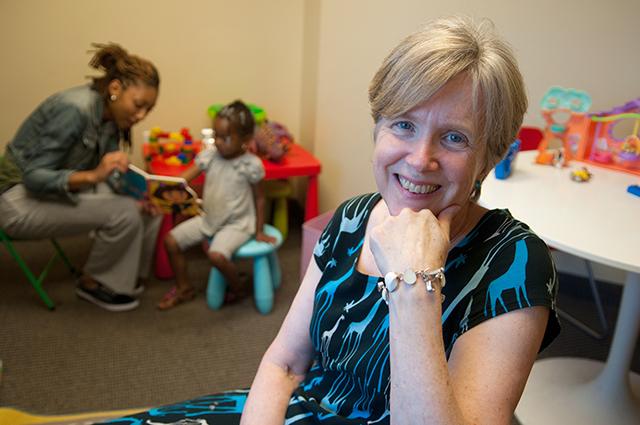
A new, long-term study of Minneapolis school children demonstrates that homelessness and the stresses of moving from place to place several times a year means their learning suffers.
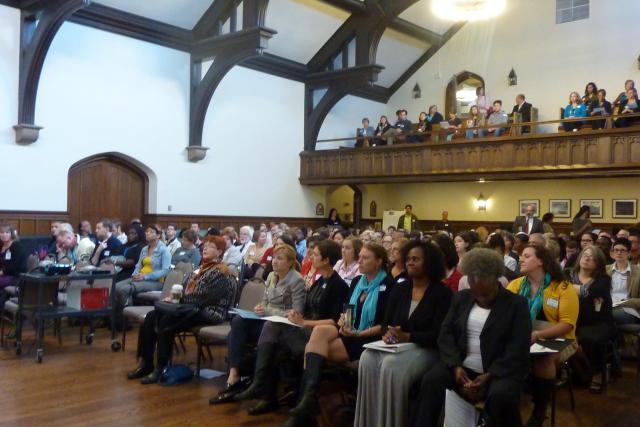
As local emergency shelters scramble to find enough beds this winter, seven nonprofit organizations working with the homeless are offering the public an unusual class: the history of homelessness.
Given the recent terrorism conviction of a Minneapolis Somali man, this might not seem like the best time for a race that celebrates the Somali community in Minnesota and raises money to help improve the lives of people in Somalia.On the other hand, it might be the perfect time, suggests Daniel Wordsworth, CEO of the American Refugee Committee (ARC), the organization behind the Oct. 20 Run to Unite event.The terrorism case in a federal court in Minneapolis focused on a small number of people doing the “wrong thing,’’ Wordsworth says, and “if you never talk about the 99 percent doing the right thing, the 1 percent becomes 100 percent of people’s perceptions.’’Negative events cannot frame the picture of who the state’s Somalis are, he says, pointing to their and other African immigrants’ wide contributions in business, sports, arts and education. There are more than 400 Somali students at the University of Minnesota, for instance, he says. A unique partnership between the Minnesota Somali community and ARC lies behind the second annual run or walk event with proceeds going toward alleviating the humanitarian crisis in Somalia brought on by drought and famine in 2011. Hundreds of thousands still live in refugee camps and makeshift shelters, Wordsworth says.The three-year-old partnership has resulted in a program called I Am A Star, a partly online effort that has now engaged more than 35,000 people in 60 countries to join the humanitarian relief effort. “It all started with the Somali community doing car washes and going door to door and raising money in mosques,’’ Wordsworth says. In the past Twin Cities kids have raised awareness of and funds to help alleviate the famine crisis. Kids from Savage painted and sold rocks door to door, Somali-American students washed cars and staged walks.ARC has sent 12 people to Somalia help with relief efforts, including among them a Somali doctor, nurse, social worker and businessman. The “Star” program, formerly called Neighbors Initiative, inspired three college students, including University of St. Continue Reading
More homeless people — particularly families — are knocking on the doors of emergency shelters in Minneapolis and elsewhere this fall than last.A continuing shortage of affordable housing tied to mortgage foreclosures and the North Minneapolis tornado is squeezing low-income persons onto the streets and into shelters, advocates for the homeless say. The Minneapolis vacancy rate for low-income housing is around 1 percent and the Hennepin County rate only somewhat better.Joblessness, a fallout of the Great Recession, remains a problem. And families and individuals who have spent down savings and other assets and have worn out couch-hopping welcomes with relatives and friends have no where left to turn but to shelters.Community Sketchbook focuses on the economic and social challenges facing communities, especially low-income communities and communities of color, and how people are trying to address them.It is made possible by support from the John S. and James L. Knight Foundation, The Minneapolis Foundation, and some Minneapolis Foundation donor advisors.Community Sketchbook articles may be republished or distributed, in print or online, with credit to MinnPost and the foundations.On Monday night alone, for example, more than 1,600 men, women and children were housed in shelters run by the six organizations that contract with Hennepin County to provide for the homeless.“We’re pretty close to crisis mode right now, and I’m not a person who tends to hyperbole,’’ says Daniel Gumnit, executive director at People Serving People, a family shelter in the shadow of the Metrodome.“Last year we had an average of 350 a night. [Recently] we had a record-breaking 416. You literally now see a sea of toddlers. Continue Reading
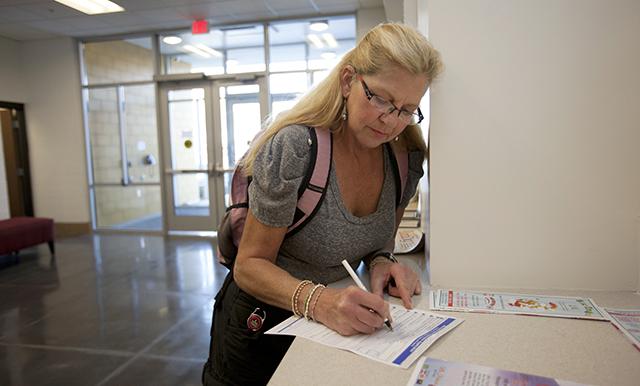
Like many Americans, Deborah Handley has had a lot on her mind lately to distract her from the upcoming elections: her joblessness, newly diagnosed diabetes, a past battle with cancer and, oh, yes, her homelessness.That’s changing. Settled a few weeks ago into an efficiency apartment at Higher Ground on the outskirts of downtown Minneapolis, the 58-year-old former waitress and bartender is working to get her life together – and that includes preparing to vote in next month’s elections.She is among hundreds of homeless and formerly homeless people across the state filling out Minnesota Voter Registration Applications so they can vote in the November election.Community Sketchbook focuses on the economic and social challenges facing communities, especially low-income communities and communities of color, and how people are trying to address them.It is made possible by support from the John S. and James L. Knight Foundation, The Minneapolis Foundation, and some Minneapolis Foundation donor advisors.Community Sketchbook articles may be republished or distributed, in print or online, with credit to MinnPost and the foundations.Her issue? She’s worried about losing Social Security. “I don’t have a pension,’’ she says.Advocates for the homeless hope to bring 1,000 more voters to the election rolls this fall — not an insignificant number in a state with the recent history of a very close U.S. Senate election – as part of a statewide effort that includes smaller private shelters as well as the big players such as People Serving People, Catholic Charities of St. Paul and Minneapolis and the Minnesota Coalition for the Homeless.High stakesOrganizations working with the transient poor have been helping to register homeless people living in temporary housing and recently homeless voters for more than a decade. Continue Reading