A welfare-fraud prevention measure goes into effect this week at a time the Minnesota Department of Human Services characterizes the numbers of food stamp users as at “historic highs’’ here and aro
Not to malign a dish that Thomas Jefferson reportedly served at a state dinner in 1802, nor to deny that many a child since has taken comfort from a steamy, creamy plate of macaroni and cheese cook
He calls himself Julio, a well-spoken, well-dressed and cautious young man considering an action that could lead him out of the shadows of life in America into a much brighter future.
Ask Liz Kuoppala whether it’s the economy or the need for more clout that’s propelling her social service organization’s upcoming merger and she’s hard-pressed to make a distinction.
Lost in black-cloud predictions this week that the ranks of America’s poor have risen to their highest point in nearly half a century are slivers of hope.
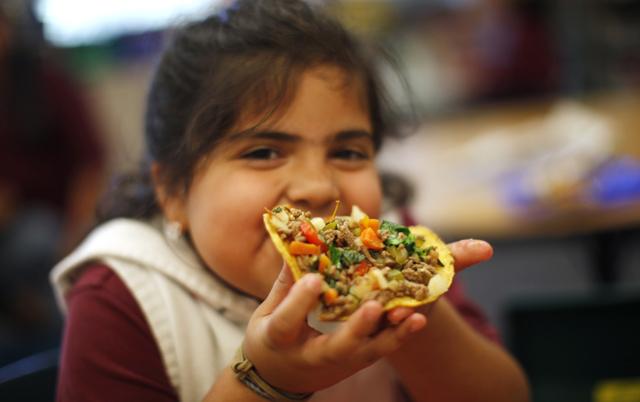
The U.S. House will soon consider $16.5 billion in cuts to nutrition assistance programs, and I can’t help but think about hungry kids.You know those “kids eat free” signs we see from time to time at area restaurants? Well, they could be tacked permanently to lunchroom walls in schools with high numbers of poor kids.Which got me wondering: Do these very children lack for food in the summer months? Are kids out there going hungry or eating poorly because financial resources are scarce?Nine months of the year when school bells sound some 375,000 Minnesota kids from low- income families receive either free or reduced-price meals daily through the National School Lunch and School Breakfast programs, courtesy of the federal government and taxpayers, with numbers swelling.Community Sketchbook focuses on the economic and social challenges facing communities, especially low-income communities and communities of color, and how people are trying to address them.It is made possible by support from the John S. and James L. Knight Foundation, The Minneapolis Foundation, and some Minneapolis Foundation donor advisors.Community Sketchbook articles may be republished or distributed, in print or online, with credit to MinnPost and the foundations.Yet only about 20 percent of those hungry school kids sign on to the similar federally funded Summer Food Program.“My assumption would be that there are’’ kids going hungry, says Nicole Barron, nutrition services business manager for the Minneapolis Public Schools and an overseer of the district’s effort to dish up healthy servings of banana muffin loaves, pineapple spears, meat, veggies and milk, both in summer and during the school year.Last summer MPS cooks served up 346,113 breakfasts, lunches, dinners and snacks at 107 school, park and recreation and community program sites. That’s a whopping 7,000 per day.Their actions are part of a massive lunch-packing effort going on all over Minnesota where last year 1.9 million-plus free meals were handed out around the state through the summer meals program.Kids under 18 went to 539 meal sites sponsored by schools, colleges, non-profit organizations, cities, parks and recreation departments and faith-based organizations, according to Jenny Butcher from the Minnesota Department of Education.Nutrition gap“We want to help bridge the nutrition gap during the summer,’’ explains Butcher, the state program coordinator.She says the number of free meals has swelled by more than 14.5 percent each of the last two years, in part because of the state’s efforts to recruit meal sites. The Department of Education administers the Summer Food Program locally for the U.S. Department of Agriculture.She catalogs for me a few of the new meal sites in areas where U.S. Census numbers demonstrate poverty: Shakopee, Chaska, South Washington County, West St. Continue Reading