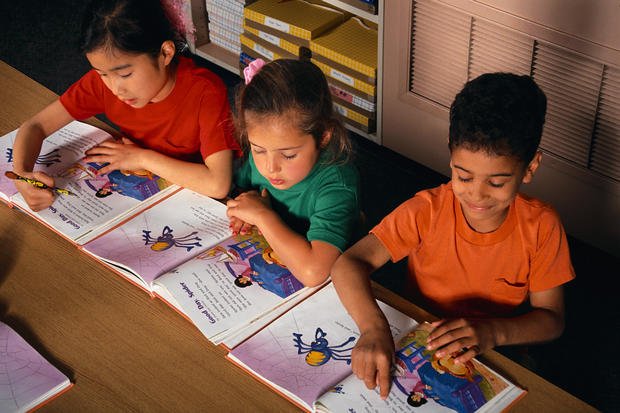
On Aug. 25, a sunny morning in Minneapolis, Bdote Learning Center opened. The historic beginning marked the end of six years of planning and developing as – children entered the school to study what all children learn in Kindergarten to third grade – except that they will be learning in the Ojibwe and Dakota languages. These languages, now only spoken by a few, are reflected throughout Minnesota in place names and the very names of the city and state where the school is located.
The paradox of teaching is that it’s seen as noble, missionary work when it isn’t the refuge of the lazy and incompetent. We see this in how teachers are portrayed in movies—especially movies about teaching —as well as in the rhetoric pervading all sides of our current reform debates. But has it always been this way? Continue Reading
There’s a certain bias many of us seem prone to when thinking about improving schools, and that’s focusing too much on just a handful of aspects of education to the neglect of everything else that matters. Here’s a story about one of them. Continue Reading
Picture this: a silver bullet solution for the Achievement Gap, a single thing that schools can do to get all children reading by third-grade and college-ready by the end of high school. Continue Reading
Some faculty members within the University of Minnesota’s Department of American Indian Studies are trying to preserve two languages indigenous to the state.
St. Paul kids need you. With 38,000 students heading back to school, the St. Paul Public Schools Foundation is partnering with more than 20 community locations and all of the city’s libraries to offer everything from homework help to targeted math tutoring. Last year, they fielded 1600 tutors working with more than 6,500 kids. This year’s big plans include a medley of training sessions for tutors in September and October, as well as welcoming back hundreds of experienced and enthusiastic volunteers. Continue Reading
Generation Next has been in the news recently after the organization, led by R.T. Rybak, revealed their “Action Agenda” about how the they will take steps to close the achievement gap. The nonprofit is modeled after a successful partnership in Cincinnati called Strive Together, which brought together businesses, government leaders, school districts, nonprofits and community groups to breach the disparities between white students and students of color. Rather than embarking on a separate program of their own, Generation Next is building a coalition of different stakeholders and resources. Related articles:Varied Means to Close the Achievement GapBridging the achievement gap: The limits of education reformThe cross-sector approach seems like a smart one. When you look back at moments in Minnesota’s history that were very successful, it was always because of this kind of collaboration and partnerships, when lawmakers, educators, businesses and nonprofits have worked together toward a common goal. That Generation Next has leaders from both Twin Cities school districts, both teachers’ unions, the University of Minnesota and other higher education institutions, the Wilder Foundation and other nonprofits, one charter school, corporate entities, at least one minority-specific organization and the mayor of Saint Paul on its Leadership Council (not to mention being led by the former Mayor of Minneapolis) bodes well for its success.Obviously eliminating the achievement gap is something that almost any Minnesotan can get behind. Continue Reading
Korean adoptees in Minnesota will soon have a way to better get in touch with their heritage.After seven years of planning, Minnesota’s first Korean immersion school Sejong Academy will open this year on Sept. 2 in St. Paul. The school will accept 65 students in K-6, and will serve children of Korean heritage, Karen immigrants, and any children interested in Korean language and culture.Related stories:Korean charter school – a new idea for language immersion educationKorean cultural festival raises funds for Sejong Academy charter school“It’s a brand new thing. We’re all learning from each other and starting together and the energy that we have,” said Sejong Academy teacher Yun Cho. Continue Reading