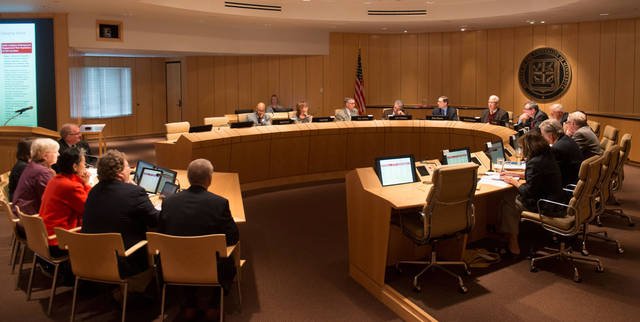
A day after University of Minnesota President Eric Kaler proposed to continue a two-year tuition freeze earlier this month, the Minnesota State Colleges and Universities system announced a similar extension.
Gov. Mark Dayton’s executive order issued last month would affect the future of Minnesota’s approximately 40,000 employees by requiring state agencies to design more inclusive recruitment and hiring tools, invest in additional human resources personnel and submit progress reports.
Last week photographer Wendy Schreier witnessed something many college students overlook entirely. Her latest photo essay captures the bizarre phenomenon of move-in week.Originally from Northeast Minneapolis, Schreier moved to the Marcy Holmes neighborhood last April and was astounded by just how much furniture, clothing and general household items littered the streets and curbsides last week as University of Minnesota students moved into their new homes.“It was just a funny transition to see because I grew up in Northeast and lived in Roseville for a really long time,” Shreier said. “And unless you live in this neighborhood you don’t know that this happens, and it’s crazy. The whole neighborhood moved at once.”Schreier said she became frustrated with how much seemed to be going to waste despite seeing several signs for university programs aimed at recycling old furniture and reusable household items. So, she set out on foot and documented the discarded couches, mattresses and televisions in a photo essay she titled Left Behind – A neighborhood moves.But not all those items went to the dump.Last year, Pack & Give Back recycled almost 70,000 pounds of household items from students living on and around campus, said sustainability coordinator for University Services Stacey White. The University of Minnesota program, which works with the city of Minneapolis, collects reusable household items in Marcy Holmes, Southeast Como, Prospect Park and Cedar-Riverside neighborhoods, and then redistributes them for free to students who can use them.The program collects the discarded items before the city collects its trash, White said, but not all the items can be used. Continue Reading
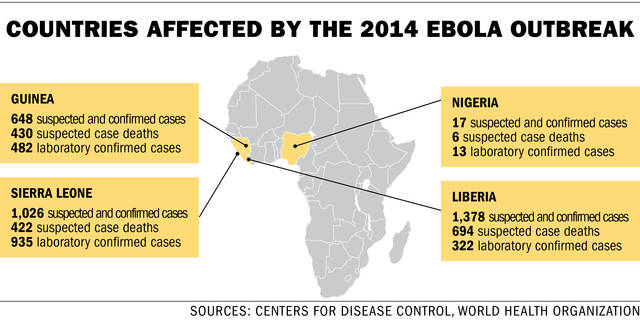
As the largest Ebola outbreak in history continues to plague parts of West Africa, the University of Minnesota and other colleges nationwide are adjusting their travel policies to comply with new recommendations from the federal government.
Some faculty members within the University of Minnesota’s Department of American Indian Studies are trying to preserve two languages indigenous to the state.
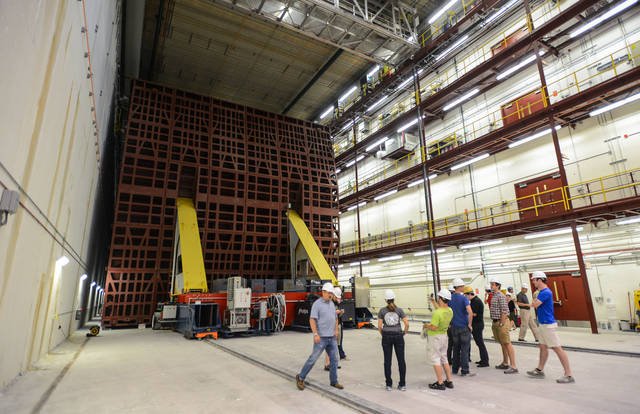
A newly unveiled 14,000-ton neutrino detector built in part by hundreds of University of Minnesota students and staff is searching a kilometers-wide beam of particles for clues about the beginning of the universe.
With government dollars and partnerships with industry in tow, the University of Minnesota’s research powerhouse is turning its gaze to addressing global food security, safety and sustainability.
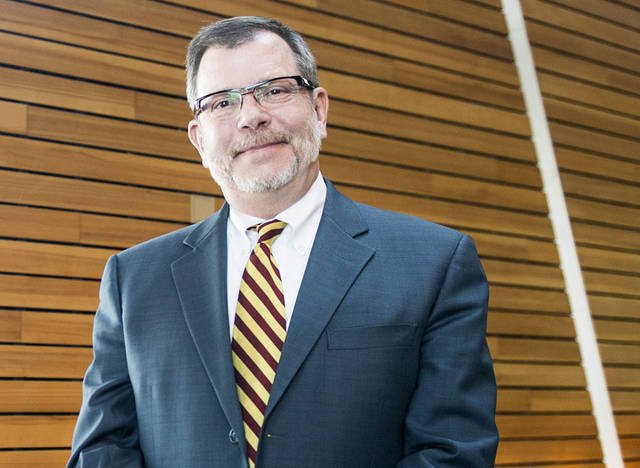
Amid debates over high administrative pay at colleges nationwide, University of Minnesota officials agree President Eric Kaler’s successes outweighed any signs of his failure — earning him another term.
A University of Minnesota leader could soon be moving his 15 years of community development expertise from campus to Minneapolis City Hall, a shift that he said will foster a stronger bond between the two institutions.