OPINION | The Green Line: Back to the transit future

Sixty years after the end of rail transit in Minnesota was celebrated with a streetcar blaze in the St. Paul Midway, it will return to the heart of the Twin Cities on June 14 with the grand opening of the Green Line light rail. Free rides on all Metro Transit routes and daylong festivities will mimic the hoopla that marked the final switch to bus service in 1954.

Continue Reading

Local, national leaders discuss transit equity in St. Paul

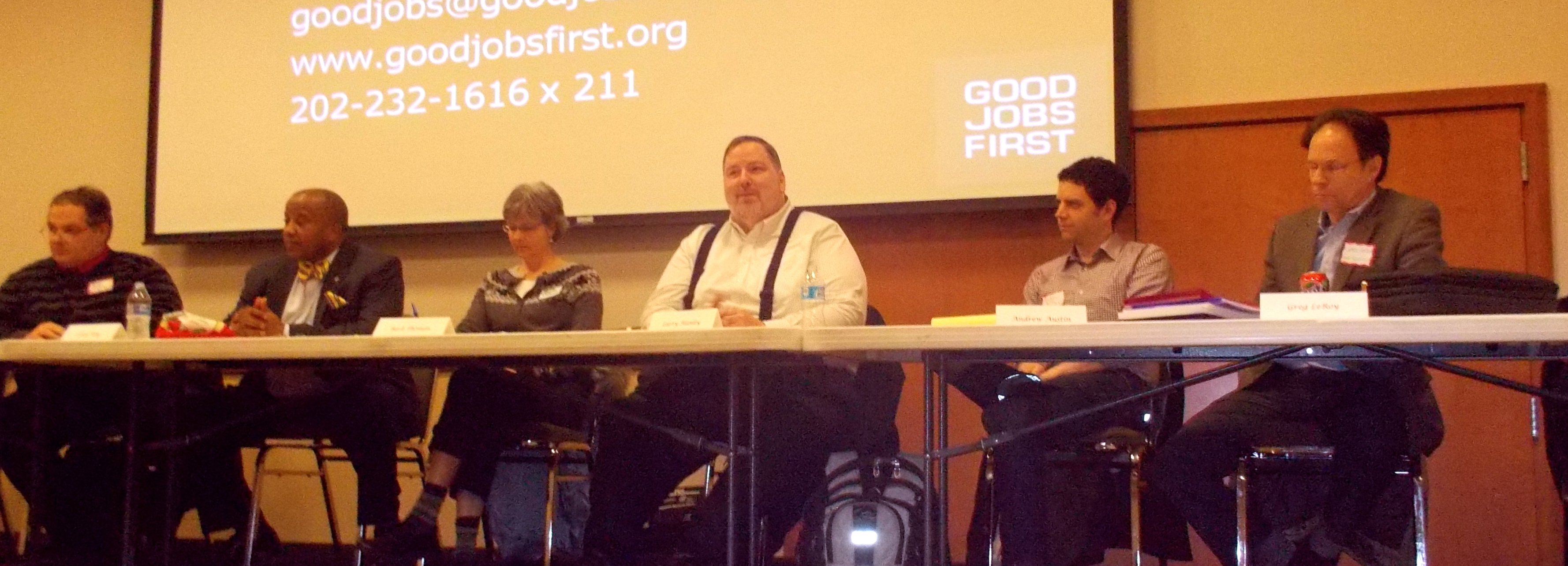
A sense of powerlessness on the part of transit riders, jobs and economic development, equitable and comprehensive transit in Minnesota — these were some of the issues up for discussion at a St. Paul transit forum that included national and local voices. On January 14, local community members, including politicians, community organizers, and transit leaders were joined by national union leaders for “Everyone Deserves a Seat:  Transportation, Jobs, and Equity Forum” at the Carpenters Local Union 322 in St. Paul. Core to the panelists’ discussions were the ways in which they believe that Minnesota’s transit systems must develop. Continue Reading

University Avenue: Designed to be dangerous

It is a known issue that most drivers don’t respect most traffic laws. Recently a reader wrote to us desperately trying to figure out what can be done to make drivers follow the law, specifically stopping for pedestrians at crosswalks along the newly reconstructed Central Corridor. Continue Reading

Minneapolis: Cedar-Riverside preps for light rail

Community groups in Cedar-Riverside are joining other University of Minnesota neighborhoods’ efforts to control the effects of development.At a joint meeting of the West Bank Community Coalition and the West Bank Community Development Corporation on Thursday, members discussed remaking the neighborhood’s small area plan to manage the effects of development around the West Bank light rail station.WBCDC Executive Director Tim Mungavan said revising the current small area plan may help insulate residents from the effects of higher property values expected after the light-rail Green Line opens in 2014.Those higher prices around the station could lead to higher property taxes and, in turn, higher rent for Cedar-Riverside businesses, he said.“That’s our major concern: What will happen to businesses that are renting?” Mungavan told the crowd of about 30 at the Coyle Community Center on Thursday.The current plan, approved by the Minneapolis City Council in 2008, didn’t include enough input from those who may be threatened with displacement, Mungavan said, particularly the neighborhood’s immigrant communities.Minneapolis city planner Joseph Bernard said small area plans function as an amendment to the city’s comprehensive development plan.Although the city involved a variety of stakeholders in drafting the 2008 plan, Bernard said, his department is open to more community proposals.“It’s certainly an option to move forward,” Bernard said.Mungavan had planned to present a resolution proposing a new small area plan, but he tabled the item for a future meeting.Diverse developmentDisplacement was an issue during the urban revival projects on the West Bank in the 1970s, when ambitious projects like Riverside Plaza were set to completely change the neighborhood.When the West Bank light-rail station opens, higher land prices could again displace residents and businesses living near the stop.“We’ve always been committed to the idea that residents should be part of the decision-making and that low-income people should not be pushed out by public action,” Mungavan said.A 2010 city study labeled the area around the stop on Washington Avenue Southeast between the University’s West Bank campus and Interstate 35-W a “potential development zone.”While some residents could be displaced, Bernard said higher land prices could also be a benefit for people who want more market-rate housing, and the city has to consider both perspectives.The debate around Cedar-Riverside’s future received a boost after Faisal Roble, a Los Angeles city planner, gave a speech at a community meeting in June.Roble focused on his experience with public transit systems and their effects on the communities they pass through.WBCC Executive Director Hussein Ahmed said the community hopes development around the light-rail station will bolster the neighborhood.“We want to be in a good position to take advantage of the light rail,” he said. “We don’t want to be the least developed or a forgotten area.”Ahmed said revamping Cedar-Riverside’s small area plan is key to realizing that goal.“Development is coming very fast, so we have got to be prepared for it,” he said. “Otherwise, we’re going to be victims of it.” Continue Reading
Light rail free fare debate continues, focus on cost of no fare zone between University of Minnesota’s East and West banks

When the Central Corridor light rail begins running next year, it could be free for riders between certain parts of the University of Minnesota campus.Officials from the University and Metro Transit are discussing the cost of a free-fare zone for light rail riders between West Bank and Stadium Village — an idea that started last fall.Mike Schmit, president of the Minnesota Student Association, said the free-fare zone is still in the interest of the student government.“The free-fare zone [issue] is in the same place as it was six months ago,” he said.Metro Transit wants the University to compensate for the free zone, said David Busacker, who handles University transit issues as a member of MSA.The University’s free-fare zone would start at the station between 19th and Cedar Avenues and end at the station on the northeast corner of University Avenue and 23rd Avenue Southeast, said the University’s Parking and Transportation spokeswoman Jacqueline Brudlos.There is currently a free-fare zone between terminals at the Minneapolis-St. Paul International Airport on the Hiawatha light-rail line.Construction for the light-rail is expected to be completed before mid-July next year, said spokeswoman Laura Baenen. Continue Reading

Final light-rail tests on University of Minnesota labs begin

As construction on the Central Corridor light rail wraps up, University of Minnesota researchers are anxiously waiting to see how the trains will impact their work.Tests beginning this week will measure how vibrations from the light rail will affect sensitive University research.For a few hours each night, light-rail trains will run to measure electromagnetic interference and vibration levels. The tests will continue into September.“These tests are really sensitive,” said Leslie Krueger, University Services chief of staff. “We want to have the quietest environment possible to get the most detailed data.”The Metropolitan Council will test vibration levels in nine buildings around Washington Avenue Southeast. To measure the electromagnetic levels, staff will limit vehicle and pedestrian traffic, elevators, use of electronics and moving metal objects in the area.Beginning in 2006, the University began looking at how much the light rail would affect research. The University wanted a “do no harm” outcome, Krueger said. Continue Reading