Can we all agree that driving is the worst part of snowy weather? The soft coating of white would make our city feel like a magical snow globe were it not for the havoc it wreaks on our roadways.
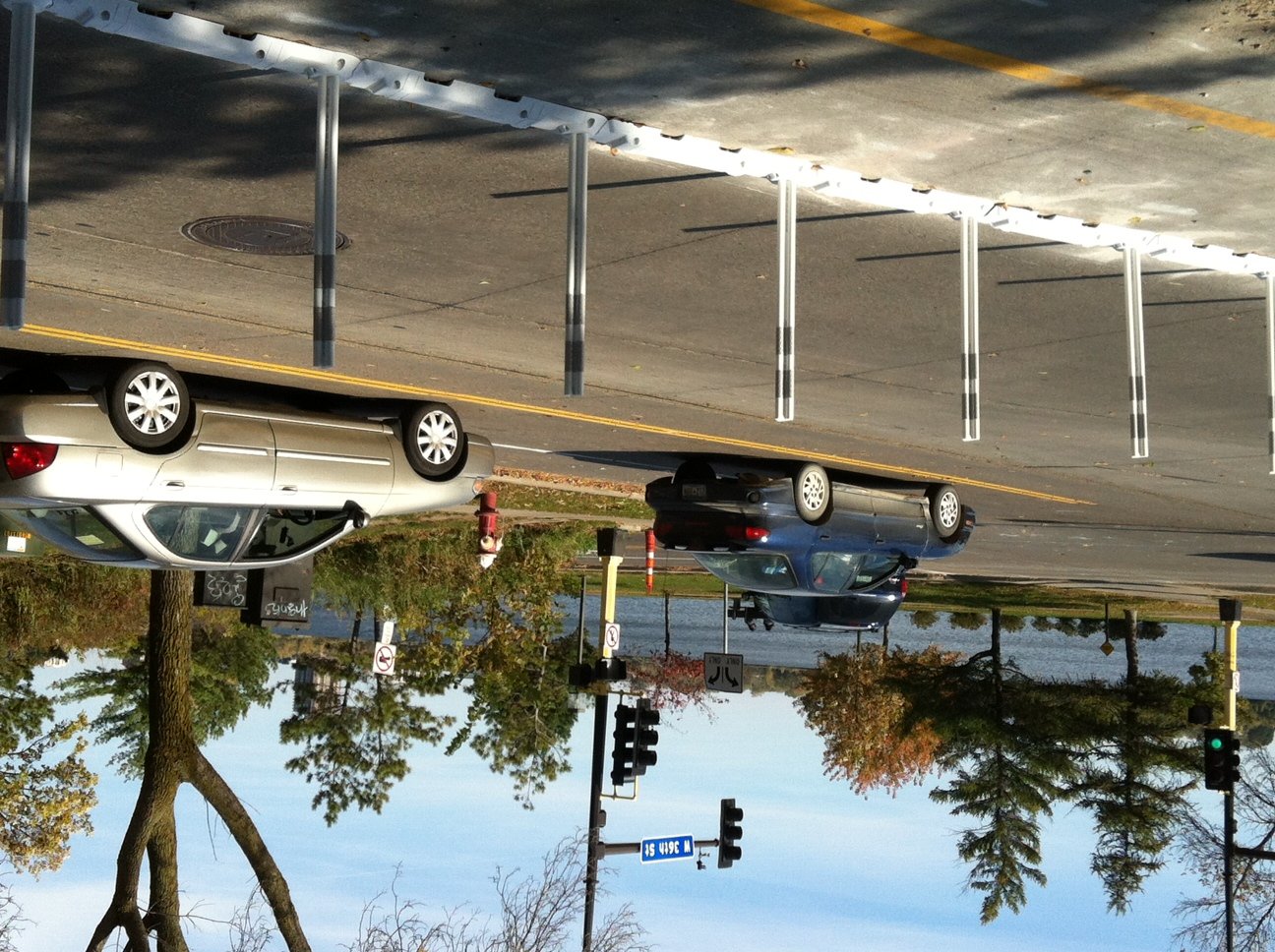
For bikers and motorists merging on to the new and improved West 36th Street in Minneapolis the view may be a Tale of Two Cities. For bikers, the best of times and excitement over a separate, partitioned 10 foot wide expressway; for motorists relegated to the other half of the roadway, “Wow, the new repainted traffic lanes look awfully narrow?” Minneapolis recently completed construction of the model 36th Street West Bikeway Project, which converted half of the street into a protected bikeway and pedestrian corridor.This is a Community Voices submission and is moderated but not edited. The opinions expressed by Community Voices contributors are their own and do not necessarily reflect the opinions of the TC Daily Planet.The protected lane is comprised of a 3 foot buffer and railing separating vehicle traffic from a 10 foot wide bicycle and 7 foot wide pedestrian path. Running from Lake Calhoun to Dupont Avenue South, the $180K project was cooperatively funded by the city of Minneapolis, Hennepin County and two East Calhoun neighborhood groups. Continue Reading
The “Transpo Convo” series asks people how they get around the city, how they would like to get around the city, and what could improve their transportation experiences around the city.
When one asks Jeanne Weigum what could improve her transportation experiences around the city, a conversation about public gardening ensues.
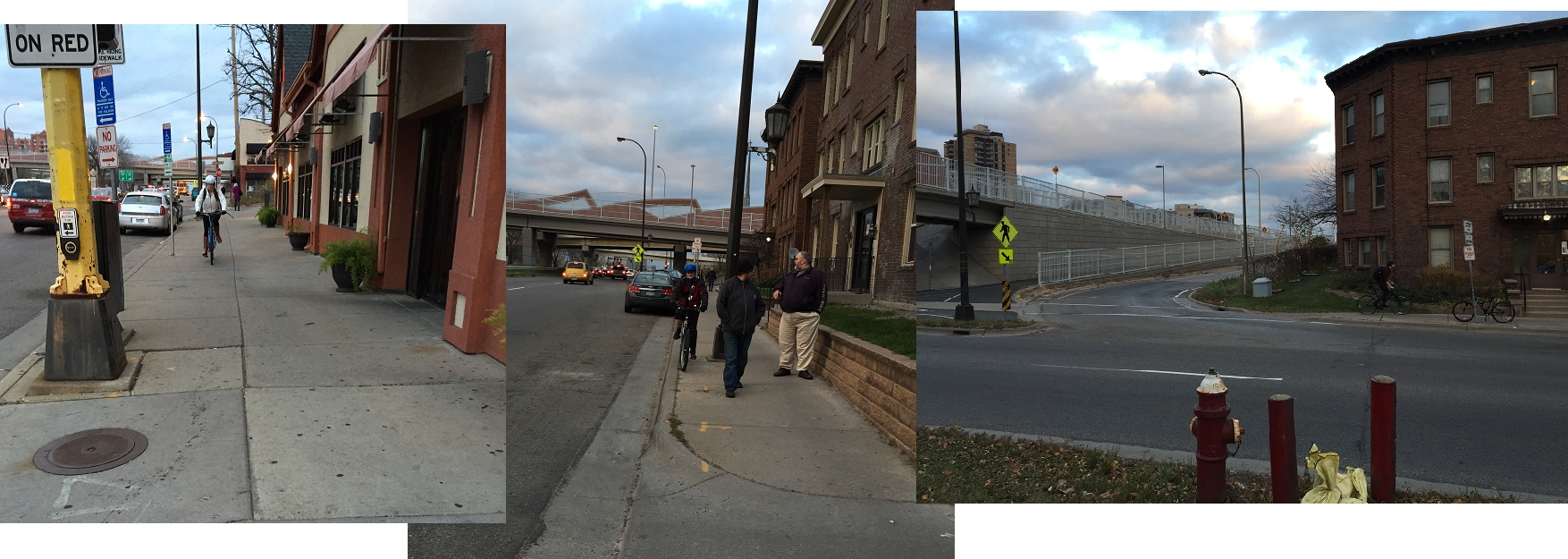
On the outskirts of many large, expensive, complicated public works projects, there are often examples of easy little things we could do to improve our cities for very little money. A couple blocks from my humble apartment, the City of Minneapolis is moving ahead with a rebuild of the Hennepin/Lyndale bottleneck that looks to be a real improvementfor pedestrians, cyclists, and transit users. Just south of that, though, is another thing we ought to do something about. Continue Reading
Friends of Swede Hollow is working on a campaign to keep commuter rail out of Swede Hollow Park. One of the proposed light rail routes for the Rush Line corridor (a transit line from Forest Lake to Union Depot in downtown St. Paul) would pass through Swede Hollow Park. Friends of Swede Hollow does not oppose the Rush Line or light rail, but strongly oppose the proposed route through Swede Hollow. There are other ways for the Rush Line to get to Union Depot.
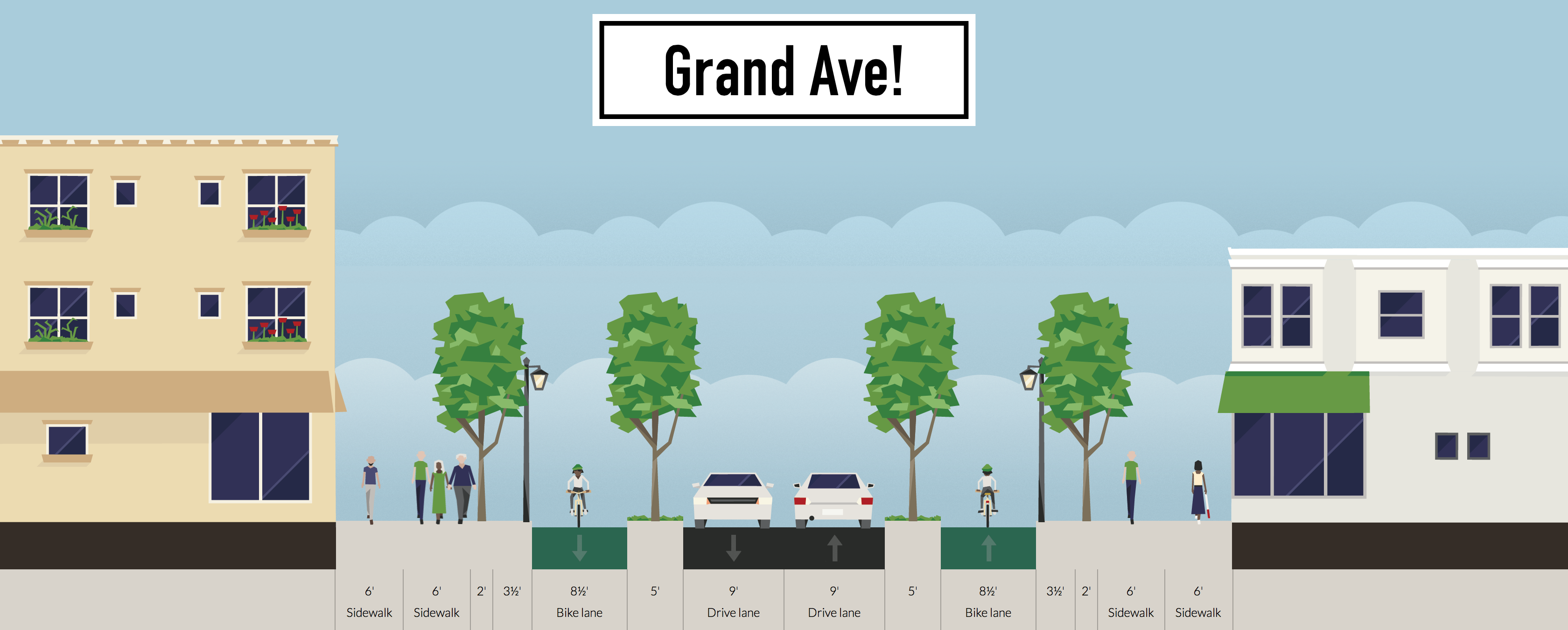
In considering how to make Cathedral/Summit/Crocus Hill a safe place for everyone to walk and ride bicycles we need to rebuild Grand Ave. Continue Reading
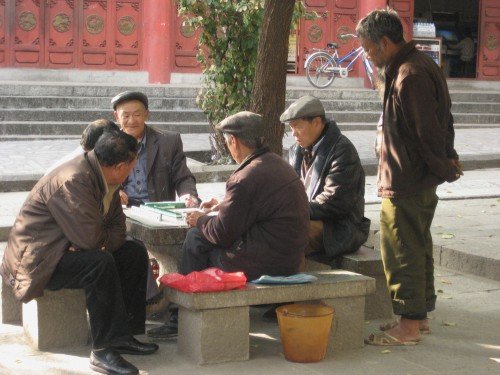
As I’ve worked on walkability surveys of routes to Green Line stations over the last few years, one of the issues consistently raised by community members is the need for more benches at bus stops and along major arterials, to provide places to rest, especially for seniors and people who use canes or walkers, and parents with young children. Continue Reading
If you hang around the Downtown East/ex-Metrodome Station for a few minutes while waiting for the train, you might begin to notice the advertising saturating the platform . It’s hard to miss, in part because it’s literally on every flat thing, and in part because it’s so incongruous, because it’s all about cars and suburban life. Continue Reading
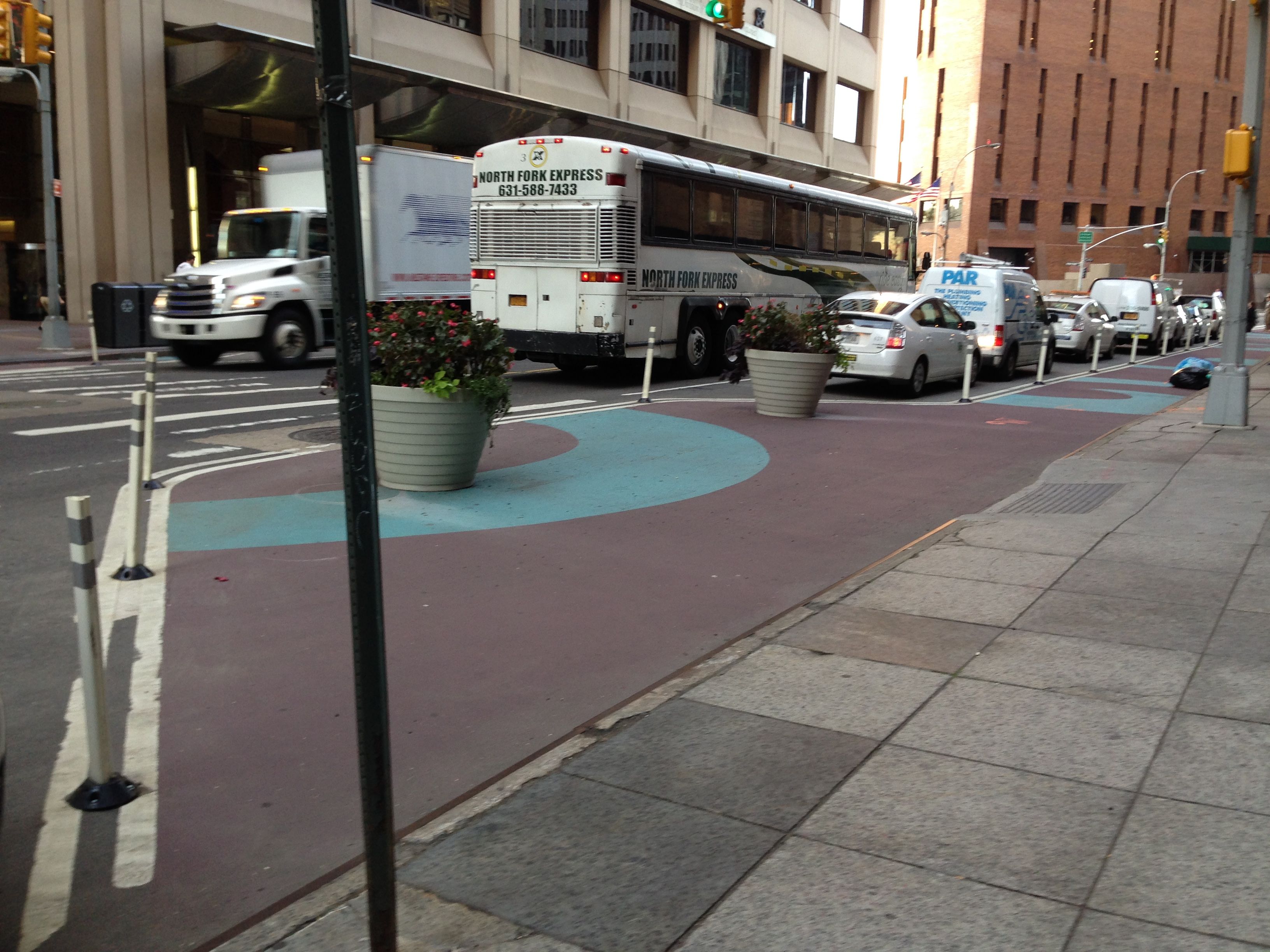
When I was in New York City a couple of weeks ago, I had the opportunity to get together with Nolan Levenson, a Macalester graduate who now works at the NYC Department of Transportation. We met near his office on Water Street in lower Manhattan to talk about ways the City of Saint Paul might apply some of New York’s successful Complete Streets implementation tools, then took a brief tour of the Wall Street area. What he showed me provided convincing evidence that it doesn’t have to take many years and a lot of money create a more walkable, bikeable, livable city, even when streets are narrow and budgets constrained. Continue Reading