A new “leader letter” from Minneapolis Public Schools Superintendent Bernadeia Johnson’s office landed in my inbox recently. Let’s just say I was intrigued by its contents. Continue Reading
The subprime mortgage crisis was a central cause of the recent recession. In short, lenders were providing expensive mortgages to low-income borrowers at an unprecedented rate. Once the housing bubble popped, subprime borrowers defaulted in droves, which helped push the deeply imbricated global financial system to the brink of collapse. Continue Reading
In her first budget address as Minneapolis mayor on Thursday, Betsy Hodges proposed several initiatives aimed at combating racial disparities and bolstering public safety citywide.
On August 7, councilmember Cano met with over 50 family members living at 2909 Bloomington Ave. S., to hear about safety concerns and work with residents to get problems fixed.This is a Community Voices submission and is moderated but not edited. The opinions expressed by Community Voices contributors are their own and do not necessarily reflect the opinions of the TC Daily Planet.Also participating in the meeting was Minneapolis police officer Abubakar Muridi, along with several other MPD officers and staff, and board members from the East Phillips Improvement Coalition.2909 Bloomington soccer players tell councilmember Cano they would like a soccer goal, basketball hoop in backyardBefore the meeting, councilmember Cano was given a tour of the backyard by soccer players living at 2909 Bloomington. They talked about problems with cars speeding down the alley, and said they would like a fence put up to separate alley car traffic from the youth playing in the back yard. They also hoped for more green grass, a basketball hoop and a soccer goal, a bigger playground, and speed bumps.2909 Bloomington families hope to replace this backyard dirt and rocks with green grass and a fenceThe soccer players then escorted councilmember Cano into the front lobby of 2909 Bloomington, where over 50 residents young and old talked with the councilmember about problems plaguing the building and surrounding neighborhood.Minneapolis police officer Muridi and councilmember Cano talk safety with 2909 Bloomington familiesMost of the complaints focused on safety and security. Continue Reading
City-generated data my soon help people track buses from their phones and help monitor problem properties for things like noise violations and landlord abuses. These are just two potential uses that may go public by November under the city’s new open data policy.The Minneapolis City Council approved an open data policy earlier this month, making city data that was previously accessible only through requests easily accessible to anyone. The city hopes the data will spur new technological projects that may help both the city and its constituents and bolster innovation.“The city of Minneapolis runs on 76 trillion characters of information,” Minneapolis chief information officer Otto Doll told a forum at the University of Minnesota recently. “A strong percentage of that data is private but the rest are data that possibly could be open.”Doll said the data from several city departments will be accessible through a single website in a raw form that can be used by the public, imported into spreadsheets, and viewed in smartphones, if software developers create applications to access the data.The use of smartphones to track bus movements and schedules could be done if a developer uses real-time data already generated by Metro Transit, said Bill Bushey, an organizer for Open Data Twin Cities that lobbied for the new Minneapolis rules.The council’s rules require that creation of a single portal making data accessible to the public, the creation of an advisory group from the city’s departments to decide what data should be open, and a compliance report to see how well agencies are complying with the rules.“The city is setting up the infrastructure, and it’s also setting up a culture change,” Bushey said. “It’s a big deal for a city to set up a system of this nature.”Nuria Rivera-Vandermyde, the city’s director of regulatory services, said neighborhoods could use housing license and inspections data to track property ownership and code compliance. Continue Reading
Even as I write this, a community member asks me, “What is the status of the ‘adobe house’?” This 393 Bates Avenue structure is also known to some as the “last house standing.” As cranes, bulldozers and trucks work away in the great pit surrounding this solitary island, some see the predicament only as an impediment to the footprint of Metro State University’s parking ramp. One neighbor noticed activity around the house, jumping to the conclusion that demolition was pending. The lot’s perimeter has been shored up, leading to more questions about the future of the house. I notice changes in the landscape every time I walk past. A gap in the earth – is the digging around the property causing the “island” to weaken? When the hanging flower pots disappeared, a neighbor asked if it signified a dire change; but no, the plants just needed some tender care and watering, so owner Jim Smith had temporarily removed them. To those who watch the house, the flowers serve as a visual reminder that water, electricity, and life still flow there.
Rising rent prices and falling household incomes continue to put the squeeze on housing costs for Minnesotans in the lower income brackets, the Minnesota Housing Partnership found in its annual study for 2014, and the gap between incomes and rental costs are especially acute in rural Minnesota. Continue Reading
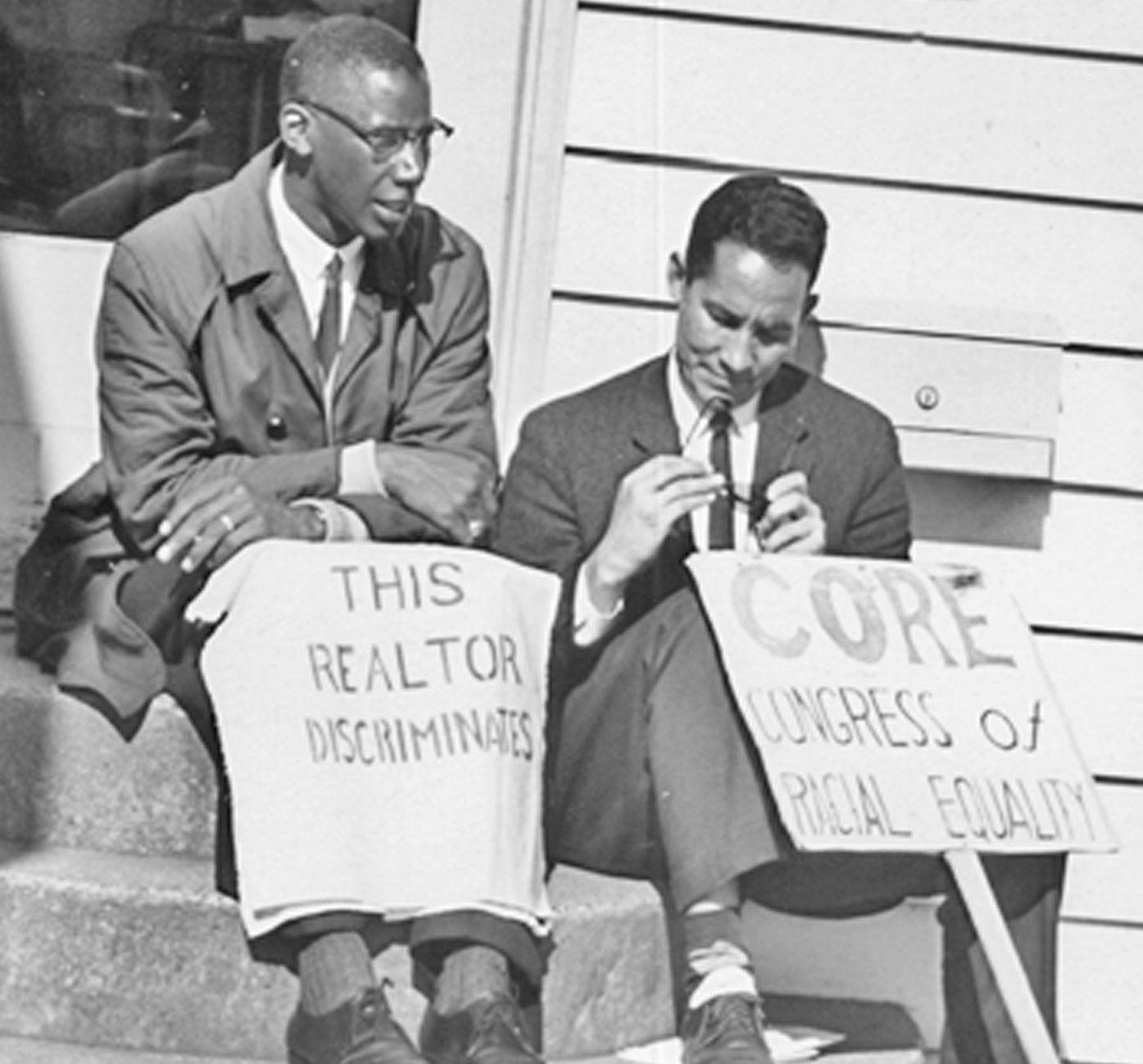
Banks must release more data on Minneapolis mortgage loans in order to truly investigate alleged race-based discrimination in housing loans, a July 23 City Council committee meeting starkly revealed.