Report calls for more public space along Green Line

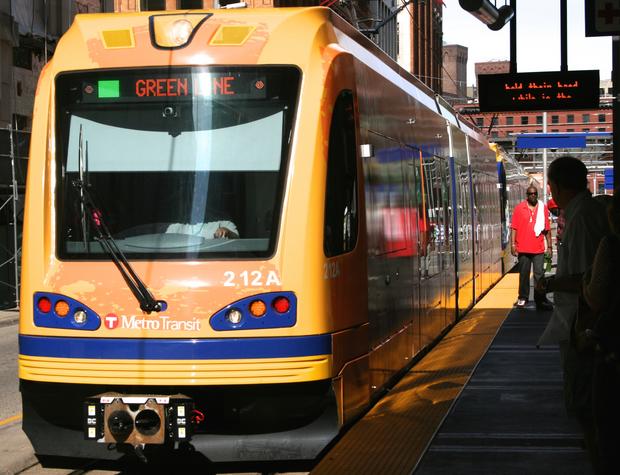
The opening of the Green Line light rail has environmental advocates and others evaluating the University of Minnesota’s amount of green space.A report released last week says the University and surrounding neighborhoods should make way for more public spaces, as an influx of residents is expected in the area along the light rail in the next decade.The report, released by the Minnesota chapter of the Trust for Public Land, says additional households near the Green Line, which cuts through the heart of campus, could contribute to the overcrowding of public spaces, including those on and around the University.Despite the report’s findings, University officials say they’re not concerned about adding more public spaces.Pamela Wheelock, vice president of University Services, said the University considers green space a priority, but she said the school isn’t planning on converting any of its land into public parks right now.The report estimates that as many as 1,600 new households will pop up in the University’s area within the next 10 years.The University and its surrounding area have a high amount of public space, according to the report. About 11 percent of the area is already available for the public, and that number is the highest of any area along the Green Line, the report says.Wheelock said there are already many public places on campus for people to enjoy. Specifically, she mentioned Northrop Mall and the Gateway Plaza near the McNamara Alumni Center.“I can guarantee you that it’s not just the campus community, but [also] members of the public, [who] enjoy those spaces,” Wheelock said.Tim Busse, communications director for University Services, said there is green space around the Green Line on campus, including trees and other landscaping amenities along Washington Avenue Southeast.Although the report says the expected population increase could put stress on public land resources, it also outlines a variety of paths the University could take to achieve a greener, more publicly accessible environment.One option is to begin “stacking” green infrastructure onto existing structures, the report said.The University could achieve that by creating parks and green spaces under bridges, power lines or other unconventional, publicly owned land, said Jenna Fletcher, program director of Trust for Public Land.Though the trust advocates for a variety of public land uses such as parks and other amenities, Fletcher said there isn’t enough public land when considering the amount of green space that’s needed for a high quality of life in the Twin Cities.Parks won’t be enough to alleviate the coming stress on public places, she said, adding that it will be important to make some privately held land available for use. Continue Reading

Touring Green Line green infrastructure

This past Saturday I participated in a tour of Green Line “Green Infrastructure” as part of Public Art Saint Paul’s City Art Collaboratory Program. We are a group of multidisciplinary artists and STEM (Science, Technology, Engineering and Mathematics) professionals who embark on monthly field trips together, exploring the living systems of the City of Saint Paul. One of our cohort is Matt Kumka, a landscape architect at Barr Engineering. He and his coworker, green engineer Nathan Campeau, guided us on this three-stop tour looking primarily at the stormwater management features. Continue Reading

Tar sands, trade rules and the gutting of human rights for corporate profit

A new report released today from IATP takes an in-depth look at how tar sands have developed from an unconventional, inefficient energy source to the spotlight of the corporate agenda as conventional oil supplies dwindle. Tar Sands: How Trade Rules Surrender Sovereignty and Extend Corporate Rights follows the development of energy policy from NAFTA up to current free trade negotiations to illustrate that while energy sources evolve, one trend remains constant: The protection of corporate profits at the expense of human rights, sovereignty and the environment. With new free trade agreements in negotiation, the time for action is here: The public needs a seat at the negotiating table. Continue Reading

Moose inspire public-private partnership

Aiming to restore the dwindling moose population, the state of Minnesota has blazed a new trail in environmental research funding. On August 11, Minnesota launched the first of its kind public-private partnership with the Call of the Moose campaign. This innovative collaboration will set a precedent for future public-private relationships to enhance scientific attainability. Continue Reading

TC Spotlight | Urban agriculture in the Twin Cities

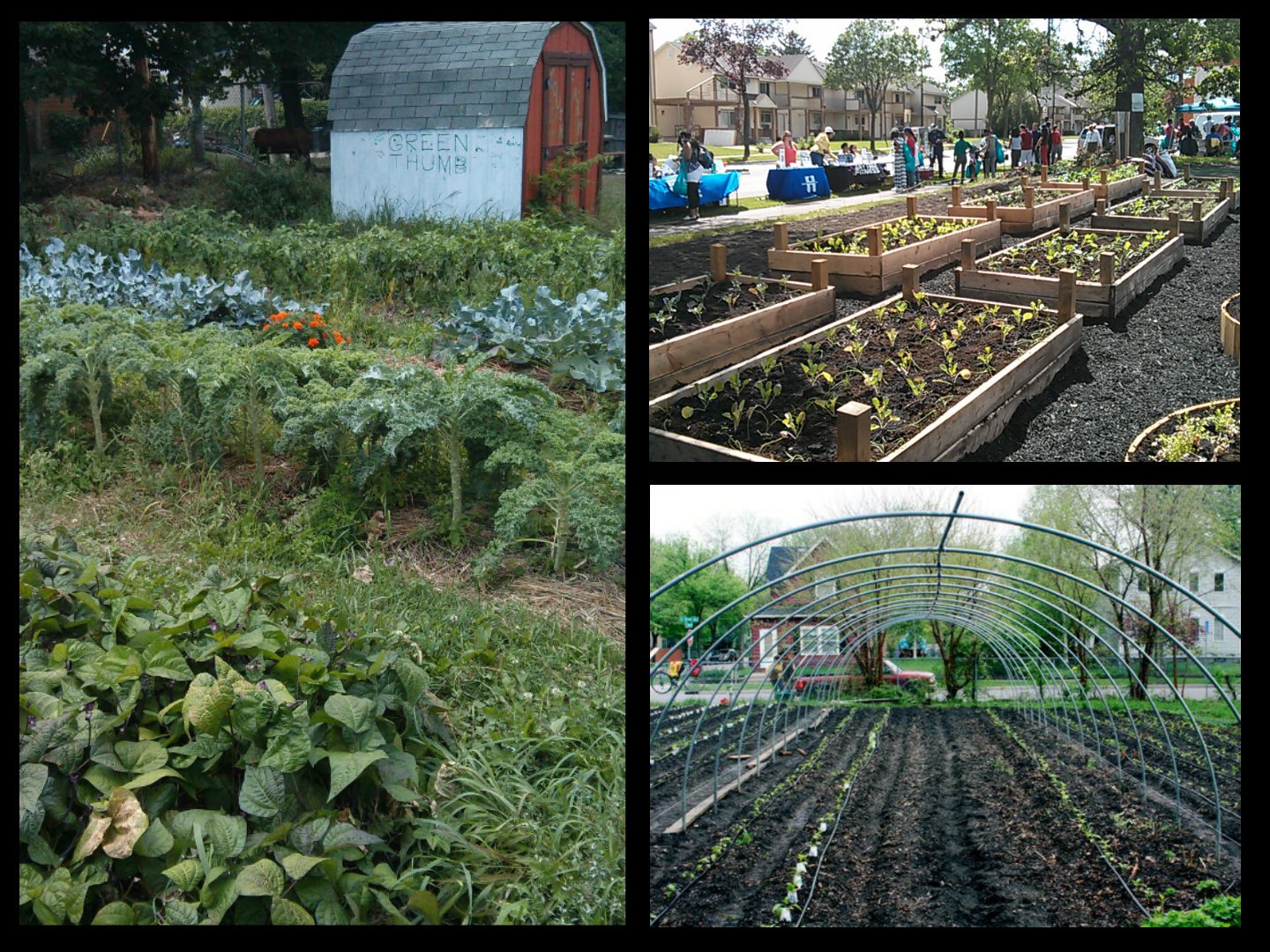
For this week’s TC Spotlight, we decided to keep the outdoor summer theme and shine a spotlight on the ever-growing urban agriculture movement in the Twin Cities.Urban agriculture comes in various forms and benefits urban communities in many ways. Urban farms provide fresh local food sources and economic development, and they create a space for social interaction, neighborhood beautification, and engagement. Below we’ve highlight just a few of the many organizations that specialize in urban agriculture and how you can support them. Feel free to use the comment section to chime in on your favorite sources of local produce and all things urban agriculture.Related articles and info:Twin Cities Farmers want city officials to do more for urban farmsMiracles Can Happen Celebrates Launch of Giving Garden north MinneapolisCommunity Garden Day, September 13Youth Farm128 West 33rd Street, Suite 2, Minneapolis, MN 55408 | 612-872-4226 Youth Farm specializes in youth development and leadership through the cultivation and selling of food in five communities in the Twin Cities. Youth Farm is a non-profit organization offering year-round programs, meeting participants at their level of development and challenging and growing with them.To gain a better understanding of Youth Farm and the programs it offers the communities, come on out to the annual Neighborhood Harvest Festivals taking place in each of the five neighborhood location this week. Continue Reading