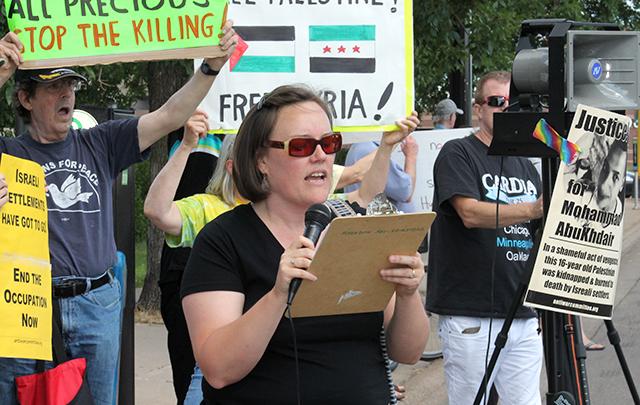
Escalating violence in the Mideast is prompting local demonstrations of solidarity with Palestinians as well as reactions from Minnesota lawmakers and a leader in state’s Jewish community.
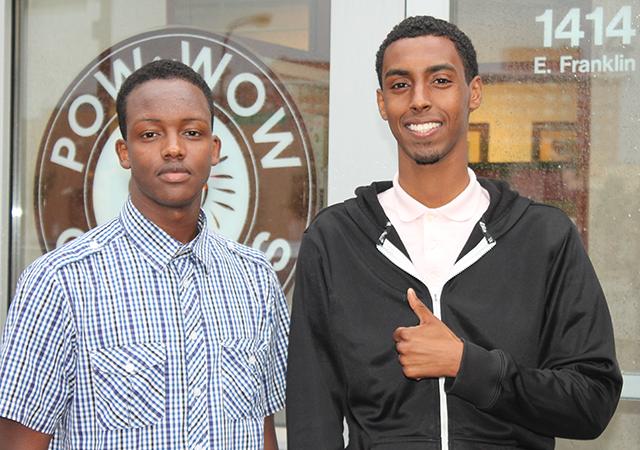
When the anticipated birth of the new crescent moon of Ramadan occurred Saturday, Liban Adam and Khalid Mohamed moved forward with their plan for the holy month: To help ensure that poor Muslims have food on the table after long days of fasting.The youngest known activists in the Minneapolis Muslim community, 21-year-olds Adam and Mohamed have a busy schedule ahead this Ramadan, which coincides this year with some of the longest days of the year.With Mohamed juggling full-time office support duties at the City of Minneapolis and Adam working with the Minnesota DFL House Caucus, both are observing Ramadan, which began Sunday.Like 8 million Muslims in the United States, Adam and Mohamed fast during the holy month, which means neither eating nor drinking from dawn to dusk until July 29. They also will be involved in working with Walaal Afuri, a program that raises funds for people in Somalia, who don’t have the means to buy food during Ramadan.Originally established by young people in England, Walaal Afuri, or “feed a brother/sister,” was recently adopted among the Twin Cities youths.Community Sketchbook focuses on the economic and social challenges facing communities, especially low-income communities and communities of color, and how people are trying to address them. It is made possible by sponsorship support from The Minneapolis Foundation. Community Sketchbook articles may be republished or distributed, in print or online, with credit to MinnPost and the foundation.“In Minnesota, we have big meals to break our fasting with at sunset,” said Mohamed, a senior information technology student at Rasmussen College in Egan. “In Somalia, many can’t afford to buy food. Continue Reading
Traditional music from many cultures filled the air as dancers took turns to perform for nearly 200 people during the Twin Cities World Refugee Day Saturday at the Wellstone Center in St. Paul.
A new climate of fear hovers over the Twin Cities’ Somali community after the FBI said last week that it’s investigating Minnesota Somali men who may have gone to fight with Islamist groups in Syria.
When Oscar-nominated actor Barkhad Abdi took the stage Monday night, the crowd of about 100 that filled Safari Restaurant and Event Center in Minneapolis burst into cheers.
Members of Minnesota’s Oromo community plan to rally Friday in St. Paul and are calling for a hunger strike to mourn the deaths of student demonstrators gunned down last week by Ethiopian security forces in Addis Ababa.Oromo students and others in Ethiopia have been protesting since April 26 a plan to develop the capital Addis Ababa, saying the proposal will displace farmers in the city outskirts, erase significant landmarks and dismantle the rich culture and identity of the ethnic Oromo people. Because the Oromia region surrounds Addis Ababa, an expansion of the city will mean a further blow to the region and its people, who have been marginalized for decades, they say.Addis Ababa city officials argue the plan will develop and improve the city — one of the fastest growing cities in Africa — and its surrounding suburbs.Thousands of people, mostly university students, took their anger and frustration to the streets of Addis Ababa to express their disapproval of the plan unveiled in April. The ongoing demonstration erupted in violence May 1, the day U.S. Secretary of State John Kerry visited Ethiopia as part of a tour of Africa.There are conflicting reports about casualties, with government officials saying the death toll has grown to 11 and witnesses counting nearly 50 dead.Community Sketchbook focuses on the economic and social challenges facing communities, especially low-income communities and communities of color, and how people are trying to address them. It is made possible by sponsorship support from The Minneapolis Foundation. Continue Reading
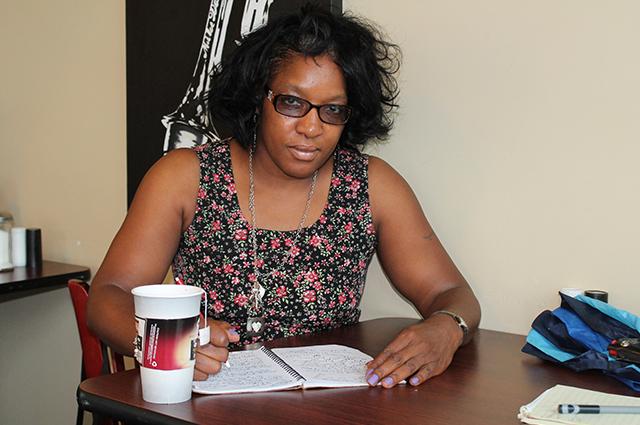
African Americans in Minneapolis with family members in prison had an opportunity last week to express their anger and frustration over expensive phone charges that make it difficult for them to stay in touch with their loved ones behind bars.
By now you probably know that people of color nationwide have, among other things, higher rates of unemployment, poverty and educational disparity compared to white people.