
Share Dinkytown stories at a reunion this weekend
|
If you have Dinkytown memories and stories, you’re invited to share them this weekend at a couple of events and to reminisce about the area’s past and discuss its future.
Twin Cities Daily Planet (https://www.tcdailyplanet.net/tag/university-of-minnesota/page/4/)
If you have Dinkytown memories and stories, you’re invited to share them this weekend at a couple of events and to reminisce about the area’s past and discuss its future.
The University of Minnesota is apologizing for a theme party it recently hosted on campus that some campus community members criticized for being inappropriate and offensive.
The task of running Minnesota’s new Office of Medical Cannabis falls to a University of Minnesota student.
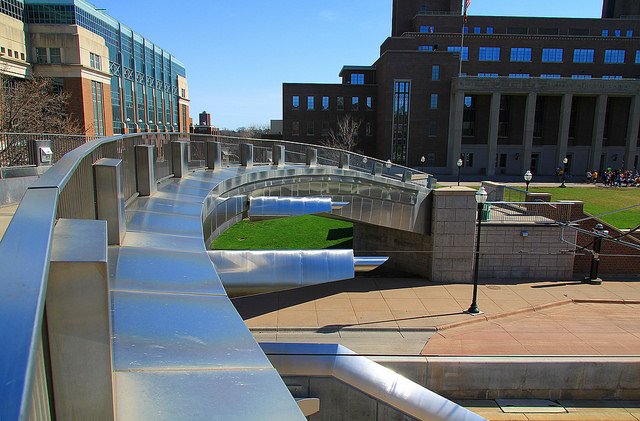
The Southeast Como Improvement Association officially approved student voting positions Wednesday evening, a policy change neighborhood leaders say represents the growing role University of Minnesota students are playing in the area.Many neighborhood boards comprise property owners and long-time residents. And even though student government leaders have had voting power with the Southeast Como association for a while, the neighborhood group’s official approval of the student voting positions gives students a more established voice within the community.Minnesota Student Association and Graduate and Professional Student Assembly members hold seats on both SECIA and the Marcy-Holmes Neighborhood Association, which represent two prominent neighborhoods in the area.Because students make up such a large population in the area, SECIA neighborhood coordinator Ricardo McCurley said it’s important to consider them on issues like safety.“We want the student voice to be heard in everything that we do — especially when it comes to the board,” he said.In the past, some residents have considered students a nuisance, McCurley said. But that stigma is starting to dissolve.“They’re an integral part of our neighborhood,” he said. “And we want to find ways to connect them.”To ensure more students can get involved, McCurley said the association has loosened some of its eligibility guidelines to become a board member, like reducing the amount of time a resident has to live in the neighborhood.Michael Tormoen, an MSA representative for SECIA, said as a student he can offer perspectives to the board that are unique to student renters.Specifically, he said, his priority in the coming months will be encouraging students to consider their safety in the area.Nikki Mardell, MSA’s representative for the Marcy-Holmes Neighborhood Association, said students can point out issues in the area that other board members may not have on their radar.“If students want affordable housing, they’re going to have to fight for it,” she said. “The rest of the board isn’t going to do it.”The Marcy-Holmes Neighborhood Association’s GAPSA representative, Diane Hahn, said it’s important for students to be aware of what’s going on within the neighborhoods because it makes their experiences as residents better.She said she hopes to strengthen communication between students and the neighborhood so that students are more informed about policy changes or area updates.“As a student, it’s often difficult to know what’s going on in the community and how I’m supposed to be following certain regulations,” Hahn said.Mardell said that even though students may not be in the area for a long time, it’s still important for them to get involved and make changes.“Even though we are still kind of a transient group, [students are] still going to be here,” she said. Continue Reading
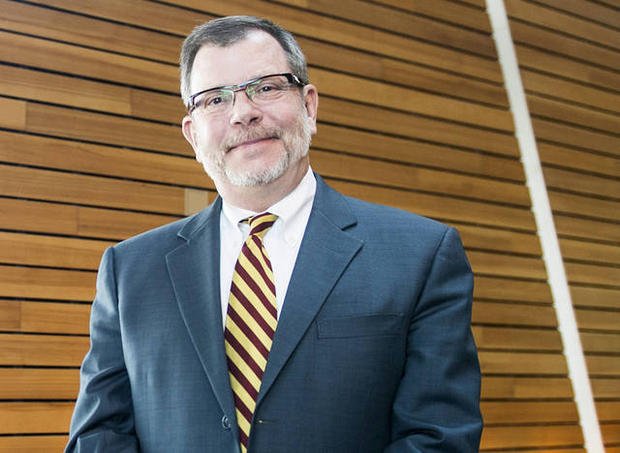
After a student group raised criticism on the University of Minnesota’s commitment to diversity, President Eric Kaler has plans to confront their concerns.
Most would agree that Malik Day’s high school resume is impressive.

When the Department of Postsecondary Teaching and Learning announced last week that it will shutter in two years, it left some faculty members worried about their future in the college.
The University of Minnesota will close its Department of Postsecondary Teaching and Learning in two years, school officials announced Tuesday.The department’s programs, staff and faculty members will be disbursed throughout the College of Education and Human Development and continue “under different administrative structures” beginning in the 2016-17 academic year, according to an email announcement from the CEHD dean, Jean Quam.“The current complement of PsTL faculty and staff will provide for the best possible realignment across the college,” Quam said in the email sent to the department’s students and faculty and staff members.After the Board of Regents voted in 2005 to eliminate a few University colleges, including the General College, the University created the PsTL department, which serves many of the same functions.The department has more than 40 faculty and staff members. CEHD students spend two semesters in the department’s First-Year Experience program, which acclimates students to the University. Continue Reading
Nya Lony lounged on a couch in the Black Student Union’s office in Coffman Union on Tuesday afternoon, surrounded by a buzz of students who were studying and chatting.To Lony, the office is a home away from home where she has a strong sense of community.“On a campus of 50,000 people, my comfort is confined to this space,” said Lony, who is also president of the African Student Association.Lony’s experience as a minority at the University of Minnesota isn’t unique, and it’s an issue school leaders say they would like to address.As part of an ongoing discussion to increase diversity and inclusion on campus, the University launched its first-ever diversity week on Monday, which lasts until Friday. School officials said the week’s purpose is to celebrate campus diversity initiatives and brainstorm new ways to create a more welcoming environment for University students.While students and staff members say they are pleased to see the University host discussions on improving campus diversity, some say they would like to see more tangible solutions put in place.The Office for Equity and Diversity, along with other University diversity offices, created the weeklong program, which features nearly 50 events ranging from open houses at multicultural offices to special lectures on topics ranging from gender equity to cultural intolerance.Vice President for Equity and Diversity Katrice Albert said the weeklong event fits into the University’s mission of raising awareness about the school hosting all types of cultures and people.“We’re taking risks by having conversations we usually don’t have,” Albert said at the week’s kick-off event at Northrop Plaza on Monday afternoon.Albert, who came to the University in June 2013, spent her first seven months in the position listening to the concerns of students, faculty and staff members across the University’s five campuses to create diversity initiatives.Currently, Albert said the office is focusing on a variety of initiatives to promote diversity.This month, the office is also holding open discussions on the University’s climate to get a grasp on students’ experiences and gauge how welcome they feel on campus.College of Education and Human Development Assistant Dean Jennifer Engler said the University is doing many things well regarding diversity, specifically noting a certificate program that OED offers, which educates faculty on how to work with students from all backgrounds.While she acknowledged that the program is effective, Engler said more faculty members could utilize it and the other opportunities the school offers.“The resources available could be used more deeply,” she said.But Council of Graduate Students Executive Vice President Clemon Dabney III said he would like to see more accountability and transparency among school leaders, and they should admit that the school has a problem with diversity and address it with policy changes.“It’s a problem all across the country, and it’s not something to be ashamed about,” he said.Patricia Jones Whyte, director of the Office for Diversity in Graduate Education, said the University is aware of its lack of diversity, especially compared to the demographic makeup of the Twin Cities.“We have climate issues that need to be addressed,” she said.But some of the school’s efforts aren’t openly publicized and sometimes go unnoticed, she said.While the University continues to work on its long-term diversity goals, some students and school officials say it should place more effort on embracing diverse campus groups.“I feel like sometimes the ‘U’ could do more to support those efforts,” said Jan Morse, director of the Student Conflict Resolution Center.Morse said the diversity week demonstrates the value of differences on campus, but the University could create more opportunities throughout the entire year to emphasize that idea.Biomedical engineering freshman Najmo Aden, who is a member of the Al-Madinah Cultural Center, said she appreciates the space the University offers for cultural groups, adding that students could do more to embrace the existing diversity on campus.“A lot of people hang out with people that look like themselves,” she said.Lony agreed that students are an important piece to the puzzle and said she would like to see more discussions on diversity at the student level.“That’s a very important conversation to have,” she said. “I think we need to be conscious of other people’s experiences.” Continue Reading
One of the country’s largest labor organizations’ efforts to unionize faculty at the University of Minnesota may need a clearer focus to make any headway at the school.