Nonprofit organizations that encourage local farmers to supply more area customers with fresh, locally grown fruits and vegetables made inroads in 2011 and are starting to form an important link in
ST. PAUL [December, 2011]- All farmers juggle risk – weather extremes, rising production costs and the uncertainty of market prices all affect the bottom line. Hmong farmers have additional hurdles to enter the marketplace; instability from renting rather than owning land, and lack of capital and credit to secure financial resources for farm improvements or expansion.Free Speech ZoneThe Free Speech Zone offers a space for contributions from readers, without editing by the TC Daily Planet. This is an open forum for articles that otherwise might not find a place for publication, including news articles, opinion columns, announcements and even a few press releases.As Staff Attorney and Hmong Outreach Coordinator for the Farmers’ Legal Action Group (FLAG), a non-profit law center that provides legal services and support to farm families, Hli Xyooj has advocated for Hmong farmers since 2006. The transition from traditional farming practices to operating the farm as a commercial business is a difficult one for many of the farmers, says Xyooj. “The farmers came from subsistence farming which was their way of life – not a commercial business. Every day they knew what they had to do and went to the fields.” Hmong farmers have a familiar presence in farmers’ markets throughout Minnesota, but public markets are often flooded with the same products, thus reducing sales for any one farmer. Sales are further impacted by fluctuating demand and attendance at the market. So many farmers are produce rich, but cash poor – and without storage facilities, profits perish with the produce. When FLAG learned about the farmers’ barriers to success, they partnered with The Minnesota Project in 2011 to offer farmers assistance through training and connections to new markets. liHH FarFfFarmers that sought assistance varied widely in their communication and business skills. English as a second language, complex agriculture regulations, and selling their produce pose on-going challenges. But some Hmong farmers like Robert and Nancy Lee persisted and pioneered their way to new markets.The Lees live in Albertville, MN and rent farmland in neighboring St. Continue Reading
In the near future, when climate change has reduced Minnesota to a drought-ridden wasteland of starvation, survivors will look back at the present period of culinary excess with woeful nostalgia. (I was just reading the latest dire predictions in InsideClimate News. Yes, we’re doomed.) In the meantime, we sure do love food, and reading about food, and listening to people who write about food talk about food. Continue Reading
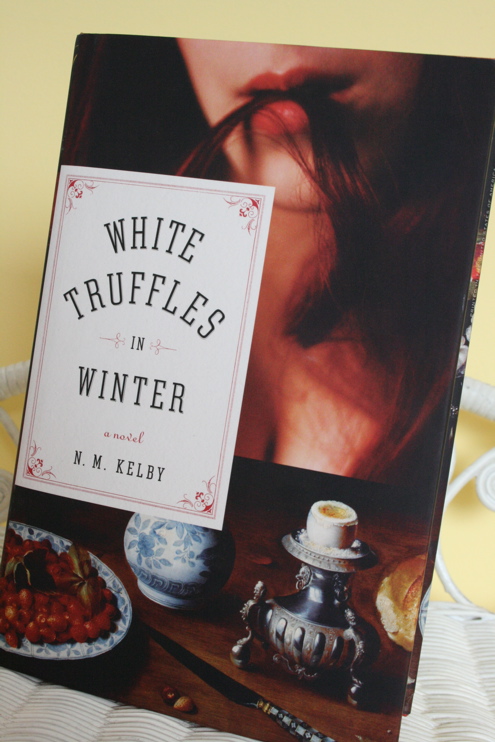
Nicole Kelby is on a book tour that also involves champagne breakfasts and eight-course gourmet dinners. Quick survey: anybody wish you were a critically acclaimed novelist on a foodie book tour? Let’s see…looks like just about everyone’s raising a hand, except a few in the back who are either texting or asleep. Kelby’s recipe for success: a painful childhood, every kind of journalism job there ever was, a couple horrible tragedies, absolute fearless determination, and lots of dishwashing. You, too, can be a famous author! Continue Reading
Let me ask you this, fellow citizens. Have you recently spoken with anyone who, in the course of your conversation, declared that the United States was the best country in the world, by far, no question, the best, best, best country in the entire world? If not, I suggest that you track down the Cave Cafe food truck, enjoy some Afro-Italiano fusion cuisine cooked by an Eritrean named Tewodros Negash, cast aside your cynicism, and ponder the magnificence of this great nation. Continue Reading
So many times this restaurant has just been a meeting point established by a friend and not actually the designated dining establishment for the evening.
Let’s talk some Yiddish. You start. Whaddaya got? “Oy vey?” “Schlep?” “Chutzpah” (or, as a certain shikse would have it, “choot spa”)? Don’t kid me, I know you got bupkes. This town swings goyish, which is maybe why you can’t get a decent knaidl around here: people hear the word “knaidl” and think it’s a Jewish joke that they don’t really get and probably isn’t that funny anyway. Dude, it’s a matzoh ball. Please tell me you know what a matzoh ball is. Continue Reading
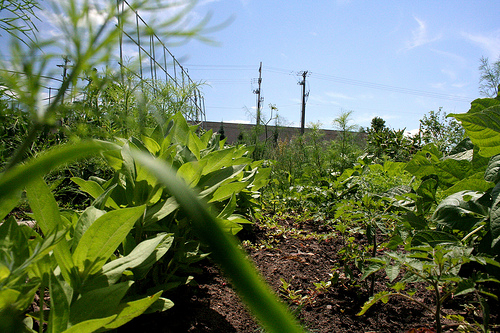
Community gardening offers city dwellers an outlet for the desire to create and consume healthy food, knowledge about what it takes to make that food, and the chance for neighbors to get acquainted and pursue a shared goal. Community gardens can be organized by many kinds of groups: non-profits, faith groups, block clubs, and others. The City of Minneapolis attempts to encourage more community gardens through the Community Garden Pilot Program, which started in 2010.Several lots have been leased to community groups since the program began last year. The program leases lots only to not-for-profit organizations, which are then responsible for liability insurance, layout of the garden, and involving the community.According to Elsfric Porte, Manager for Housing Development at the Minneapolis Office of Community Planning and Economic Development, there are approximately 10 lots still available for lease. The lots, all soil tested, are part of the City’s inventory but cannot be developed for a variety of reasons. He notes that the program has been well received and interest has been considerable. “The concept is not foreign to Minneapolis – numerous gardening efforts are going on absent the use of public space,” says Porte. In addition to neighborhood associations and church groups, he has witnessed partnering of smaller groups to obtain non-profit status, a requirement of the program. Kirsten Saylor is Executive Director of Gardening Matters, a non-profit created to encourage and assist with community gardening and connect gardeners with resources to further their knowledge and opportunities. She applauds the City’s intent to encourage a sense of community and healthy food consumption. Saylor, however, would like to see even more direct involvement of gardeners and more outreach for public input in both process and experience. “Community gardening has the power to knit communities together,” she says. One of the challenges in this process, she notes, is recognizing that each gardener and each garden is unique. In order to address this broad spectrum of skills and abilities, Gardening Matters connects gardeners with workshops, information, and each other for sharing of knowledge and even seeds or produce. Continue Reading