The farm bill is supposed to be the least contentious piece of federal legislation, with a little something to benefit all constituencies. Its food and nutrition programs help urban, suburban and rural folks in poverty. Direct payments and crop insurance provide a safety net for farmers. Rural development programs build nursing homes, wastewater infrastructure, keep utilities up to date and provide small business financing. There are even environmental and conservation protections in the bill.
Take away USDA Rural Development dollars and you start taking away small town assets, such as nursing homes, hospital expansions, access to affordable housing, wastewater infrastructure, and business development. Minnesota 2020’s latest report, Blueprints for Rural Progress highlights the importance of these community development programs in sustaining a strong rural way of life.
The U.S. House’s 2013 farm bill passed the House Agriculture Committee last month, and will soon be heard on the House floor. This bill would cut the Supplemental Nutritional Assistance Program (SNAP, which is also known as Food Support in Minnesota) by more than $20 billion over the next ten years. Nationwide, two million Americans would lose access to food support that makes a real difference to their well-being. Continue Reading
In all of the discussions and proposals associated with the current Farm Bill debate, climate change has gotten little official recognition (although we have pointed out that from IATP’s perspective, the singular focus on crop insurance is clear evidence that climate change is the primary concern of farmers and agriculture state politicians). As the Farm Bill debate goes to the Senate floor, we applaud two amendments that are trying to bring greater recognition of climate change to the farm policy discussion. Continue Reading
Blue Dog Collin Peterson is angry about the short shift farm programs got in the fiscal cliff deal. Minnesota’s Land Stewardship Project, which works on local food, sustainable farming and economic justice issues in rural Minnesota, isn’t pleased either. Continue Reading
It’s no secret that many economists believe the nation’s toxic mix of soon-to-expire tax cuts and automatically triggered, across-the-board federal spending cuts could send the economy off a precipice at the beginning of January and into another recession. If that happens, every American taxpayer and industry will be profoundly affected, and agriculture is no exception. Continue Reading
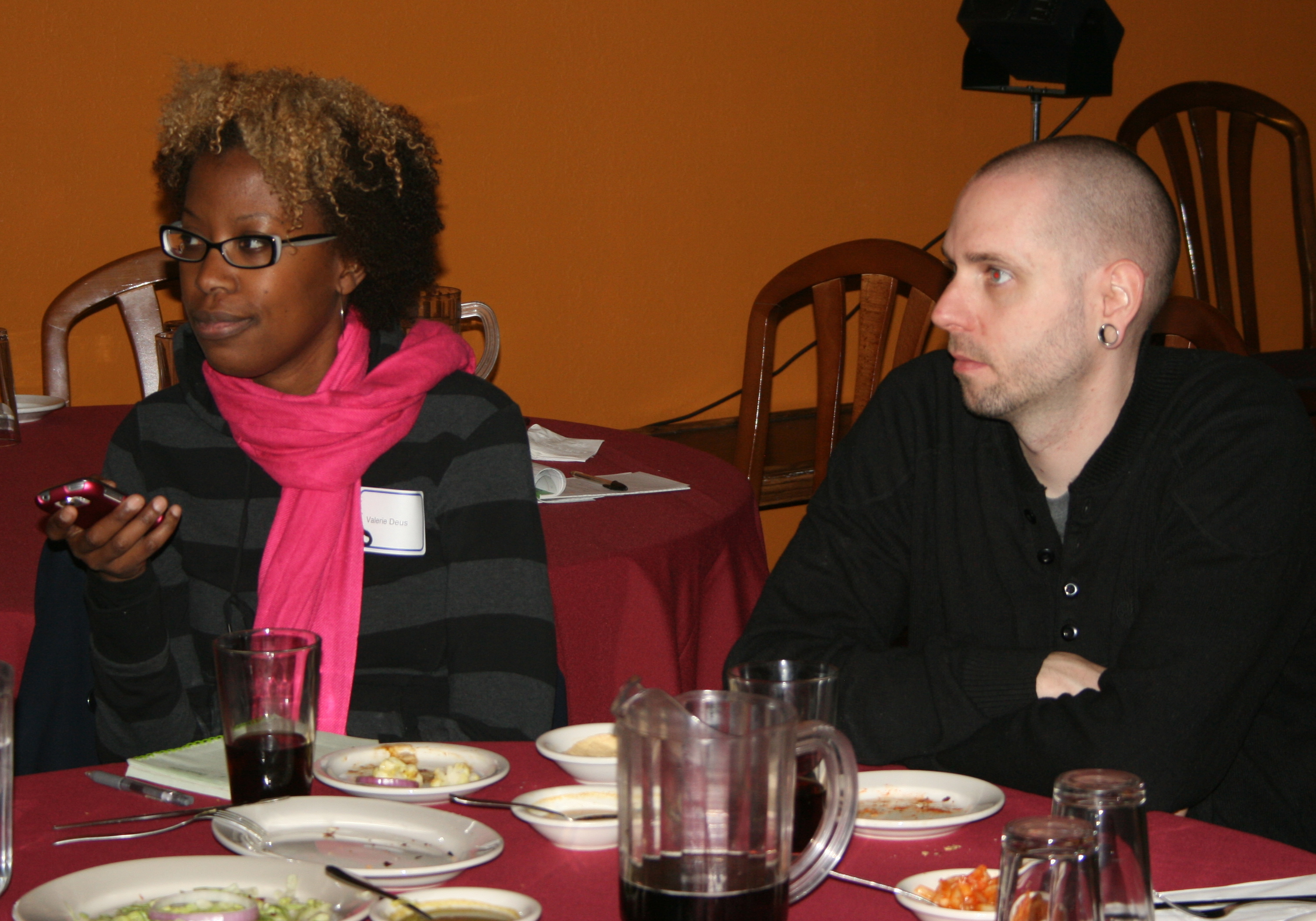
As a local foods organizer in the Big Stone Lake region of western Minnesota, Rebecca Terk has come to appreciate the power of new media tools.In Terk’s work for the Land Stewardship Project (LSP), her Big Stone Bounty blog entries, tweets, and Facebook posts serve multiple purposes. They amplify the voices of farmers and other rural area residents, circulate important information about proposed development, and connect and organize citizens to help them determine what’s best for their communities.Terk told a group gathered at Gandhi Mahal restaurant for a Get Connected! meeting on October 10 that new media tools allow her to hold a mirror up to a wonderfully rich culture.Chipping away at dominant narrativesTerk’s work contributes to one of LSP’s core goals: challenging the dominant narratives about family-owned farms and rural towns in an era dominated by corporate agribusinesses.Dominant narratives being promoted by powerful interests are that factory farms are “state of the art,” that they represent “the future of farming,” that “the family farm is dead” and that rural communities are “old” and fading away.Megan Smith and Rebecca TerkChipping away at those narratives requires sharing more and alternative stories of rural communities, said Megan Smith, LSP membership assistant.Telling different stories, showing people that they have choices as consumers, and revealing the implications of policies being promoted by corporations and their allies, are among the things that can be achieved, in part, through smart use of media tools. Bringing the voices of rural people into areas where they are not typically heard is another part of the work. On its website, LSP profiles new farmers who have been through Farm Beginnings, “a farmer-led, community based training and support program aimed at getting more farmers on the land farming sustainably.” There been more than 500 graduates of the program, said Smith.Local control requires democratic participationCreating food systems based on community needs, not profit, is a primary aim of LSP, a private nonprofit organization, said Mike McMahon, its director of individual giving.Mike McMahonIn a blog post, McMahon wrote:We know what happens under unchecked corporate power—the people suffer. That’s why family farmers across the Midwest organized in the 1890s, and the 1910s, and 1930s, and the 1980s—building farmer co-ops, passing public policy that reigned in corporate power and assisted family farms, and establishing farm organizations to fight for the well-being of family farmers, rural communities, and the land.LSP sees the U.S. being in the thick of another such period, with big corporations taking control over our seeds, livestock, milk, land, and public assets. Continue Reading