Wage increase, organizing were highlights of 2014

The first minimum wage increase in nine years and the union vote by 26,000 home health care workers were among the highlights for Minnesota’s workers in 2014. The year was marked by major organizing efforts, both inside and outside the workplace, particularly among low-wage workers. The 2014 legislative session featured many gains, including passage of the minimum wage increase. A hopeful tone was set in early February, when the world-class musicians of the Minnesota Orchestra returned after being locked out of their jobs for nearly 16 months. Not long after, hundreds filled the state Capitol for a rally in support of the minimum wage increase. Continue Reading
Minnesota’s hidden intercity bus network

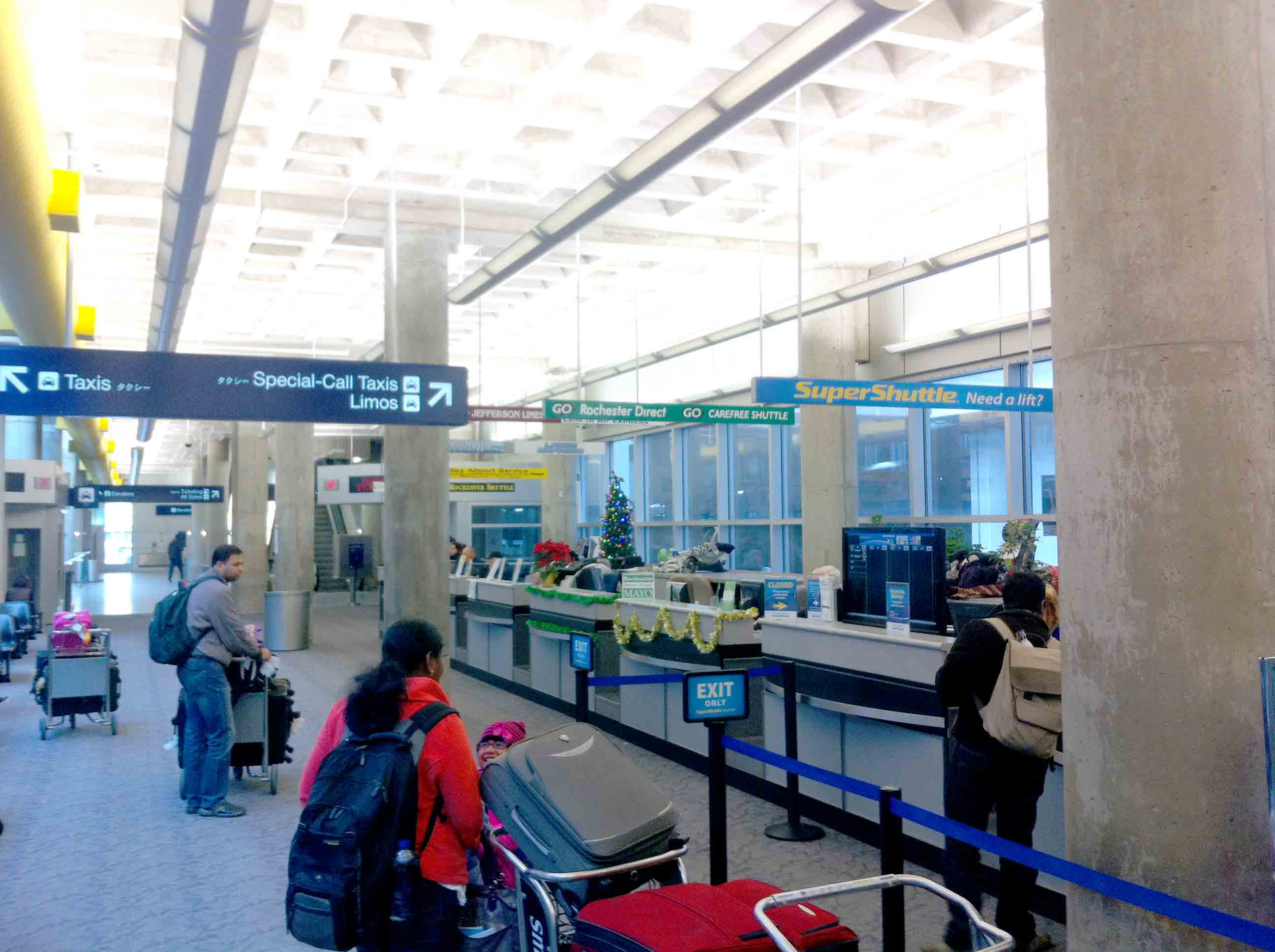
There was a time when buses and trains connected the Twin Cities with every corner of Greater Minnesota. The trains are gone except for Amtrak’s Empire Builder, which has become quite unreliable and inconveniently runs west of Minneapolis in the wee hours. Except for its express link to Chicago via Eau Claire and Madison, Greyhound has completely withdrawn from the state where it was founded in 1914. Locally owned Jefferson Lines has filled many of the gaps, but conventional bus service has become sparse, mostly bypassing the small towns and running only once or twice daily. Continue Reading

Minnesota’s broken transportation funding system

Not only is Minnesota’s infrastructure in badly need of repair but so is the system set up to pay for it. But it is not just Minnesota; the entire process for how America pays for roads, bridges, and other forms of infrastructure is vastly outdated, reflecting a carbon-intensive consumptive model of the world. For that reason, whatever the Minnesota legislature likely does this session when it comes to infrastructure and transportation funding, it will be outmoded from the start. Continue Reading

Let your voice be heard: End the high costs of prison phone calls

Did you know that more than 15,000 children in Minnesota may not have the chance to send holiday greetings to their parents? This is because these children have an incarcerated parent. Due to the high costs of prison phone calls, it is difficult for many of these children to remain in contact with their parents during the holiday season. The harsh reality is that a 15-minute collect phone call received from a loved one who is incarcerated can cost roughly $6.45. Further, these children may also miss the opportunity to visit and spend quality time with their parents, since prisoners are incarcerated an average of 100 miles away from home and their families. As you can see, phone calls are truly a vital source of communication in order for families to remain connected. The Campaign for Prison Phone Justice seeks to ensure that children and families can remain in contact with their incarcerated loved ones by advocating for the costs of prison phone calls to be capped at a reasonable amount. Continue Reading

#BlackLivesMatter and #ChargeMeToo

As one grand jury after another refuses to indict police who have killed black men, #BlackLivesMatter protests continue across the United States. I marched on November 25, missed Saturday’s MOA protest, and will probably march again. Like many people, I keep hearing the same questions on Facebook and from friends and family. Before the next family gathering, here’s my short question-and-answer. Continue Reading

Crop insurance: Good enough for Monsanto, good enough for sustainable agriculture

From the fact-is-stranger-than-fiction department: In 2007, Monsanto talked the USDA’s Risk Management Agency into giving farmers a discount on crop insurance premiums if they planted the company’s triple-stacked GMO corn. Reportedly, some reviewers of the proposal raised concerns that the premium subsidy would unfairly benefit a single private company. Continue Reading