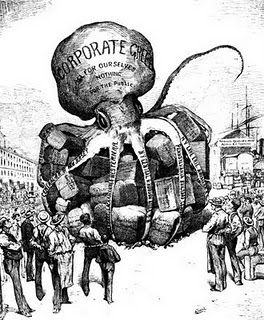
Roughly 50 Minneapolis protesters rallied outside the University of Minnesota’s McNamara Alumni Center on Tuesday to pressure Wells Fargo CEO Jon Stumpf as he spoke at a lunch lecture.
The group wants the bank to adopt policies in the public interest, including lowering interest rates on student loans, stopping home foreclosures and renegotiating mortgages.
A reader suggested that Bluestem look into what the impact of the meltdown of MF Global might be on Minnesota’s rural economy. I haven’t come up with a definitive answer to this question, but perhaps the business press will look into it.
The current economy has left many shoppers on a budget and searching for more affordable methods of paying for big-ticket items and holiday gifts. This holiday season, many families will be turning to alternate forms of payment to make ends meet. With many stores offering layaway services, the Better Business Bureau of Minnesota and North Dakota (BBB) is offering advice on how to use this payment plan in lieu of credit cards.Once considered a dated, old-fashioned method of payment, layaway services are back in vogue, with many businesses now dusting off their layaway plans for today’s beleaguered consumers. Buying items on layaway is different from putting them on a credit card because the buyer isn’t charged interest on the purchase and can’t take the item home until it is paid off. When purchasing items on layaway, the buyer must typically make a down payment of 10 to 20 percent and pay any service or plan fees for the store to hold the item for them. Continue Reading
As October was coming to a close, the U.S. Commerce Department presented the strongest findings yet that an economic recovery is underway by noting that the Gross Domestic Product (GDP) grew by 2.5 percent from July through September.Leading economists insist that is the rate of growth needed on an annualized basis to start cutting America’s unemployment. Unfortunately, the rate of growth was only 0.9 percent in the first half of this year.So, based on the numbers, how long before Minnesotans can start singing “Happy Days are Here Again”?Without being a spoilsport, Minnesota 2020 will only say there is reason for cautious optimism. The economy is growing. But we haven’t overcome three underlying problems that have held back the national and regional economies since the Great Recession ended in June 2009.First, we are a nation of consumers and that includes a highly productive Minnesota. Personal and household consumption of goods and services account for 70 percent of U.S. GDP. Continue Reading
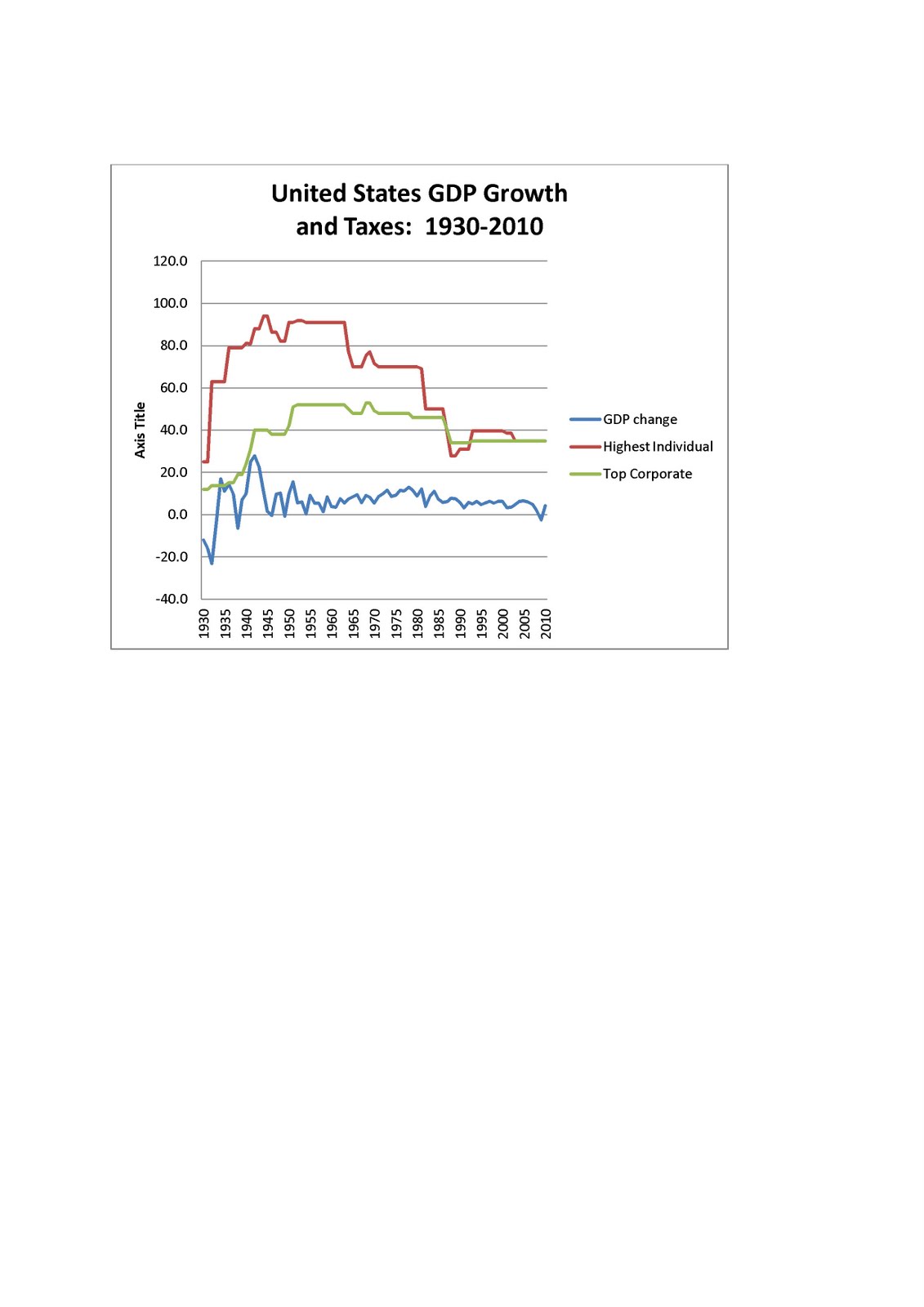
Taxes impede economic growth. This is the belief among the Republican presidential contenders as they offer plans to cut taxes as a panacea to stimulate the economy. Herman Cain’s “9-9-9” assumes lower income tax rates for corporations and individuals will stimulate the economy. Newt Gingrich wants to cap top rates at 15% and Rick Perry has called for a national flat tax of 20%. Continue Reading
Not to say this was a well behaved group, but the protest march through downtown Minneapolis Saturday stopped at red lights and crossed on the green. You might guess the police had things under control, except I didn’t see police, and looking through the photos and videos I made, I still didn’t see any. Continue Reading
As people mobilized in the streets of Minneapolis to demand that Wall Street be accountable for creating the economic crisis, SEIU Local 26 President Javier Morillo-Alicea was thousands of miles away – hearing a similar message in Sun City, South Africa. Morillo-Alicea represented the 2.1 million members of the Service Employees International Union at the 3rd National Congress of SATAWU, the South African Transport & Allied Workers’ Union, composed of 165,000 workers in several industries, including security and cleaning. He found that workers in both the United States and South Africa are discussing the same issues, such as rising inequality, and grappling with similar challenges, particularly concerning their role in advancing a progressive agenda.Right: Javier Morillo-Alicea, speaking at a news conference last year in Minneapolis.“The labor movement [in South Africa] is at a very interesting moment,” he said in an interview upon his return. While the decades-old system of race-based oppression known as apartheid has ended, the country still faces deep poverty and high unemployment, especially for young people.SEIU and SATAWU have an on-going relationship because they deal with the same employers.“Our major employers in both cleaning and security are global companies” like Securitas and G4S Secure Solutions, formerly known as Wackenhut, Morillo-Alicea said. The unions regularly compare notes and support each other, as they did when South African security officers went on strike in 2006.The unions face similar issues when it comes to political activity, Morillo-Alicea noted.SATAWU is a strong supporter of the African National Congress, the political party that controls government in South Africa. Continue Reading