Prime rib, roasted chicken and vegetarian dinners and a “lethal” dose of chocolate come together on Saturday, Feb. 22, at Isanti for an important fundraiser for New Pathways Inc. to fight homelessness, hunger and related human problems in Isanti and Chisago counties on the northern fringe of the Twin Cities area. Continue Reading
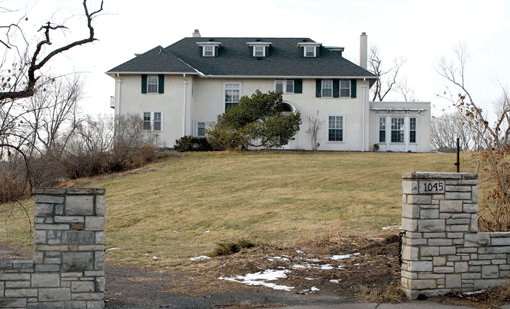
In 1921, Lithuanian immigrant Max J. Kaplan was a successful produce supplier in Minneapolis, delivering fresh fruits and vegetables from local farms to local grocery stores. He enlisted the services of architects Tyrie and Chapman to build a grand home for his family – his wife and three children – at 1045 Washburn Ave. N., in the Homewood neighborhood on the Jewish North Side.
After state authorities measured above-normal levels of a potentially harmful vapor in the Southeast Como neighborhood, city leaders are pushing for more transparent chemical reporting in Minneapolis.
Five years ago, when the housing crisis hit with a vengeance, new home construction in the exurban ring counties around the Twin Cities and St. Cloud came to a screeching halt, new housing tracts were boarded up, and thousands of people lost homes they couldn’t afford after losing jobs.
After Minnesota officials announced Tuesday that more money would be going to organizations that help homeless youth, I talked with Lina Warner, one example of at least 1,000.
On Saturday, dozens of people from across the Twin Cities–and possibly beyond–converged on 1522 Hillside to do a volunteer clean-up. Growing up in a farming community, the trash-out of the house held similarities to good, old-fashioned barn raisings. What would have been a job taking up at least a full day’s work was instead completed in less than an hour. “Forty-one people in forty-one minutes” was how Nicole Curtis described the task. Most participants had expected to work for a few hours, and others arrived late under the assumption that there would be plenty to do all day long. The final tally was eighty-nine people who came to help. Continue Reading
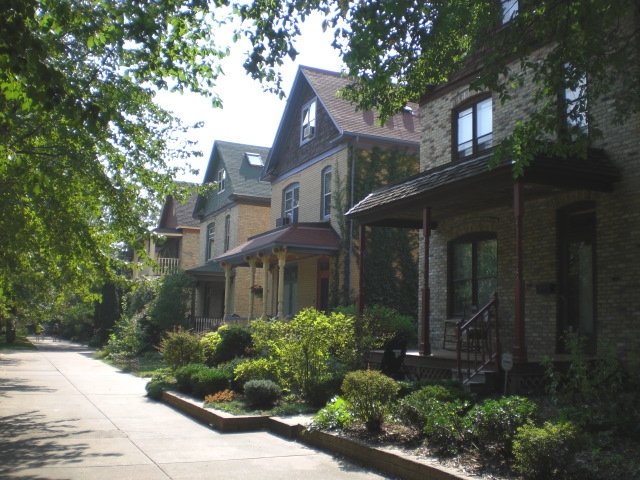
Suppose you live on a block where the houses are all from the same era, and a developer wanted to buy up a couple of dilapidated houses, tear them down and put up a “McMansion” or an apartment building. A proposed ordinance would give you and your neighbors a way of conserving the aesthetic appeal of your block without making it too difficult to make repairs on your own houses.At a public meeting Jan. 28 about creating conservation districts in Minneapolis, discussion focused not on whether the ordinance should move forward, but on how it should be drafted to provide property owners the best chance at conserving the aesthetic appeal on their block.“This would make it so that it’s not black or white, you’re either historic or you’re not,” said First Ward Council Member Kevin Reich. “You might have a row of worker homes that are part of the local lore. This would be a way of recognizing them, but not to the Smithsonian level. Continue Reading
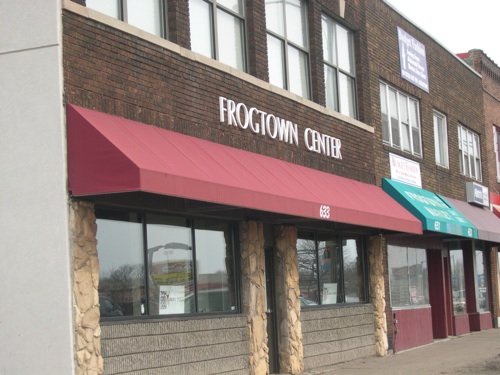
How much transformation will the Central Corridor Light Rail create in the neighborhoods that it runs through? Will current residents benefit from more jobs and improved housing? Will rents rise, forcing lower-income residents out and making room for bargain-seekers and higher-income residents attracted by improved transit? Or will high poverty rates and housing stay pretty much as they are in neighborhoods like Frogtown? This is one of a series of four stories, looking at the issues of subsidies, affordable housing, and segregation.• Eagan vs. Continue Reading
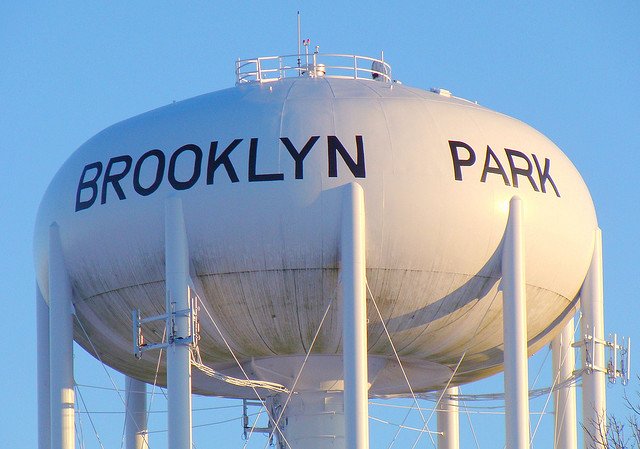
Joy Marsh Stephens moved to Brooklyn Park in the late 1990s for the promise of a safer, better community. What she found was a mostly white area that wasn’t always welcoming. Today, Brooklyn Park has growing diversity, which Stephens appreciates, but also more poverty. Stephens wishes the city would face the problems head on, rather than focusing on its current rebranding strategy.This is one of a series of four stories, looking at the issues of subsidies, affordable housing, and segregation.• Eagan vs. Frogtown: Should housing subsidies increase integration in suburbs or improve housing in low-income neighborhoods?• Nelima Sitati: Make sure people of color are at the decision making table in housing discussions• Is Frogtown going to gentrify?• Changing face of Brooklyn ParkSecretary of the Board of Isaiah, a faith-based social justice coalition of congregations, Stephens said her work is focused in Brooklyn Park, which has recently seen a lot of development, but has a “vast wealth disparity from a racial standpoint.” Stephens moved to Brooklyn Park in 1998 from South Minneapolis. Continue Reading
The conservation conversation hasn’t gotten off to a good start. As one of the people who has worked to craft the proposed conservation district ordinance, here’s my take. Continue Reading