It’s easy to miss the Katar River restaurant, hidden away in a little industrial strip behind the Lake & Hiawatha shopping center in south Minneapolis. And even if you saw the big sign outside, you probably wouldn’t know that this is specifically an Ethiopian restaurant, and a very good one. The basic menu is pretty much the same as most of the other Ethiopian restaurants in town – you get a big platter draped with thin sheets of spongy pancake-like injera bread, topped with your choice of one or more meat or vegetable dishes. Most entrees are in the $10.95-$12.95 range, and easily big enough for two. The meats are mostly stews of lamb, beef or chicken, ranging from mild to spicy, while the vegetable options include slow-cooked preparations of cabbage, carrots, lentils, split peas, beets, green beans and collard greens. Continue Reading
By now, you’ve heard of #Grapegate. But, if you’ve been living in a snow bank, here’s a quick update.On Nov. 18, the esteemed New York Times ran a piece called The United States of Thanksgiving; 50 States (and D.C. and Puerto Rico). Food writers at the Times apparently “scoured the nation for recipes that evoke each of the 50 states,” and published each one along with photos of the foods and complete recipes.Some were hits. For Alabama it was Oyster Dressing. Continue Reading
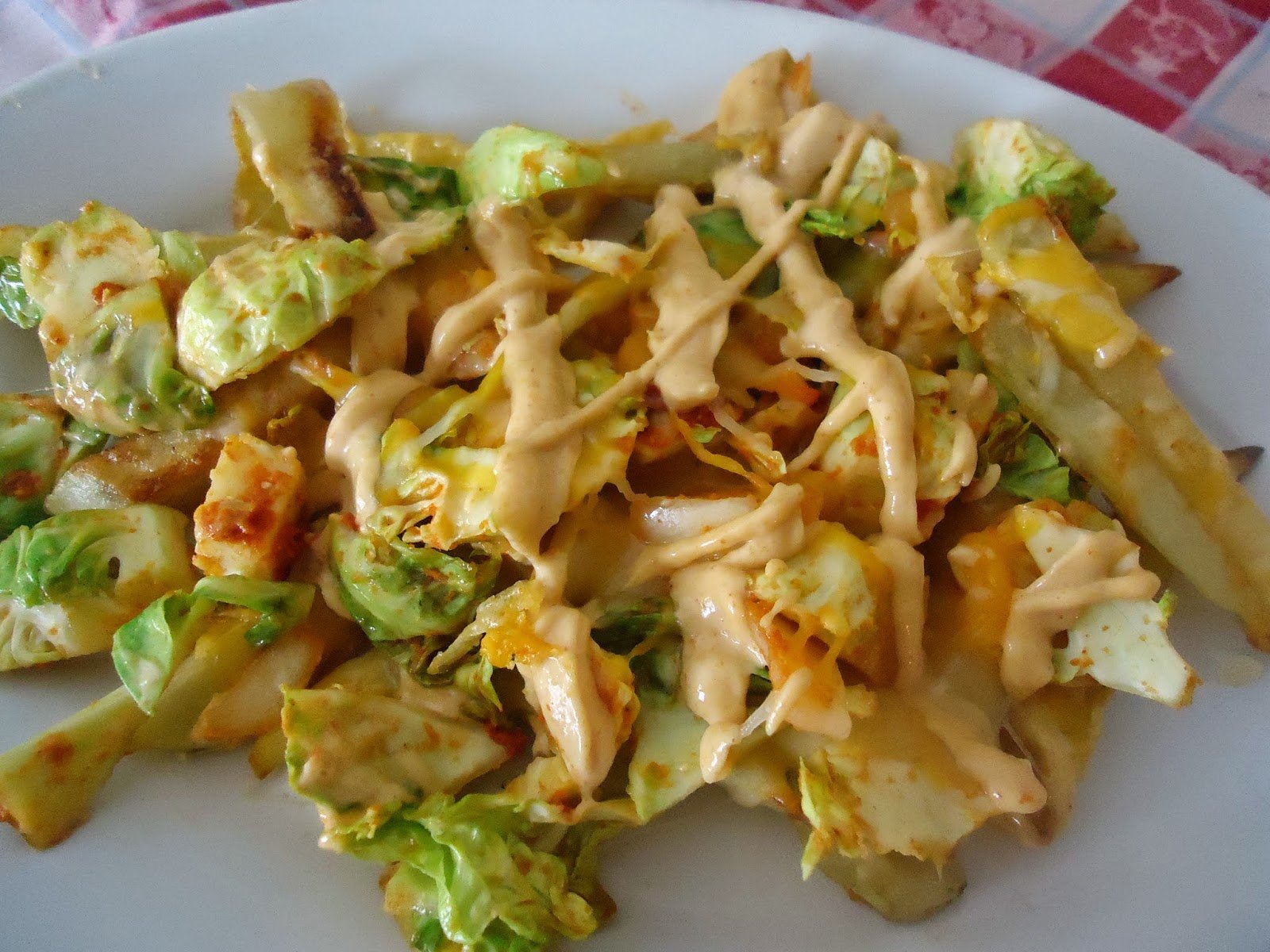
Yes, I went there. I went there deep. A weekday visit to a little diner billed as Korean fusion had us so excited about that we returned the next day to the Green Spoon near the University of Minnesota Campus in Minneapolis. Earlier in the week a colleague raved about the Kimchi Fries he enjoyed there, so on our second visit they graced the table. Continue Reading
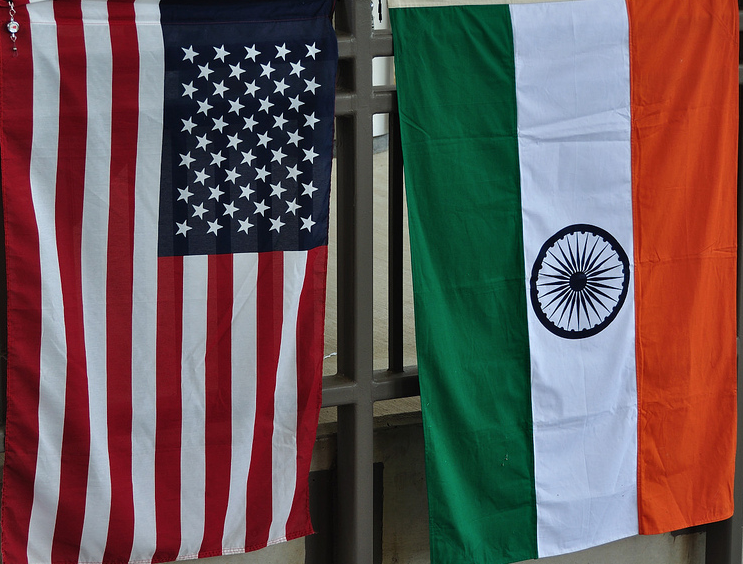
Just ahead of the G-20 Leaders’ Summit in Brisbane, Australia (November 15-16, 2014), India and the United States announced a breakthrough in their trade negotiations impasse over agriculture. That fight had brought trade negotiations to a crashing standstill in July after the few months of tentative optimism among negotiators that followed the eleventh-hour agreement in at the Bali Ministerial Conference in December 2013. Confidence in the multilateral rules-based trading system had reached an all-time low, and while the response was muted (an agreement between two WTO members is not the same as an agreement among all), the media coverage made it clear the news of the U.S.-India agreement was very welcome in trade circles. Continue Reading
Baristas from all across the Midwest competed in the Big Central Coffee Competition at Uppercuts Boxing Gym in Northeast Minneapolis. The three-day event took place on November 7th, 8th and 9th and brought out hundreds of coffee lovers.Competitors had fifteen minutes to present, prepare and serve three courses of espresso-based beverages to a panel of four sensory judges, two technical judges and one head judge. According to the US Coffee Championship’s official website “Competitors strive for a harmonious balance of sweetness, bitterness, acidity, and aromatics. A signature beverage is a highly innovative, freestyle espresso-based beverage created by the barista for the competition.”Amongst the competitors were three baristas from Spyhouse Coffee in Minneapolis, Kathie Hilberg, Kimberly Musteen and Tony Querio who placed 5th in the North Central Brewers Cup Championship.Event goers helped themselves to free coffee prepared by baristas who manually brewed small batches. Baristas also prepared free cappuccinos (pictured) and other specialty drinks throughout the day. Continue Reading
Last summer, Hampden Park Co-op put out a call to action to its members to increase sales at the Raymond Avenue food cooperative. General manager Greg Junge says that call appears to have been heeded.
Which is why it seems to me that the Walk to End Hunger offers a chance to conceive some truly great thoughts about hunger – such as What’s wrong with a society that endures a system that tolerates hunger – that allows the albatross of hunger to hang around the neck of the body politic? Continue Reading
Stephen Miller paid $3.15 for a gallon of 2 percent milk in August. Two weeks ago, he paid about $3.45 per gallon.Though it was a price increase of about 30 cents, Miller, the manager of Bordertown Coffee on 16th Avenue Southeast, said that extra money adds up for the shop, which goes through about 45 gallons of milk each week.As milk prices across the nation swell, local businesses, said Miller, are doing their best to keep prices reasonable while still managing to make a profit.Though Miller said the coffee shop is managing just fine, he said he thinks rising milk prices will contribute to a small increase in drink prices sometime next year.Because independent businesses like Bordertown and Espresso Royale usually don’t have extra money to dip into when facing large cost increases, they’re forced to raise prices.“In a small business, when you have margins that are as thin as they are — and the margins are very thin in small business,” Miller said, “there isn’t a lot [of money] to take … out of like a profit side of things.”The rising prices are tied to an increased international demand for the U.S.’s milk supply, said Marin Bozic, an applied economics assistant professor in the College of Food, Agricultural and Natural Resource Sciences.Milk prices change every day, said Bozic, who also serves as the associate director of the Midwest Dairy Foods Research Center.Since milk is produced at an unpredictable rate and can’t be stored for very long, he said, its price is generally linked to other dairy products like cheese, which has a longer storage time.U.S. farmers have some cows that produce milk for sale within the country and some that produce it for international sales. But in recent months, more countries began demanding American milk, which has strained the product’s availability here in the states, he said.Qdoba Mexican Grill in Dinkytown has seen a rise in expenses as well, said owner Randal Gast.While the restaurant’s dairy products, including its cheese and the chain’s signature “3-cheese queso,” have slightly risen in cost during recent months, Gast said other changes in Qdoba’s overall pricing, as well as the cost of steak, present larger issues for the restaurant.Dinkytown’s Espresso Royale goes through almost 150 gallons of milk every week.Regional Manager Dan Zielske said though the coffee shop’s milk expenses went down last month, he’s noticed the overall increase.“It tends to be one of those things … that fluctuates more than other products,” he said. “[But] when it’s a sustained rise, you definitely notice.”Though the prices may not climb at Espresso Royale, Zielske said coffee and milk tend to have the largest pull on the shop’s prices.The cost of milk fluctuates so much, Bozic said, because dairy farmers can’t just will it out of their cows, and it expires quickly.“Supply cannot change much if needed; demand wouldn’t budge much if needed,” he said. “And if anybody sneezes, the prices can go up really high or really low depending on if we have a shortage or a surplus.”After a heavy demand for a commodity like milk, Bozic said, it takes a few months for prices to catch up. Continue Reading
The last few years have not been good for the factory farm industry. High prices for corn and other crops (in part driven by the growth of ethanol) made feed costs incredibly high, while at the same time, environmental and animal welfare advocates have been winning ballot and marketplace battles to shift more meat production out of intensive confinement and industrial systems. Hog and cattle producers have been hit by disease, drought and weather related disasters, resulting in losses in both sectors. Continue Reading