
Screen printing on the cheap at Big Table
|
Pulled my first poster last night. It’s a lovely little turquoise number on French Paper with two words that shimmer in transparent ink: MADE MAKE. Continue Reading
Twin Cities Daily Planet (https://www.tcdailyplanet.net/author/lisa-steinmann/page/3/)
Pulled my first poster last night. It’s a lovely little turquoise number on French Paper with two words that shimmer in transparent ink: MADE MAKE. Continue Reading
This winter is a happy one in the U.P. The area, which has an annual average snowfall almost four times what we get in the Twin Cities, depends on great snow for winter tourism. Unfortunately, there have been some warm winters lately. The snowfall this year is generous, as we discovered last weekend. Continue Reading
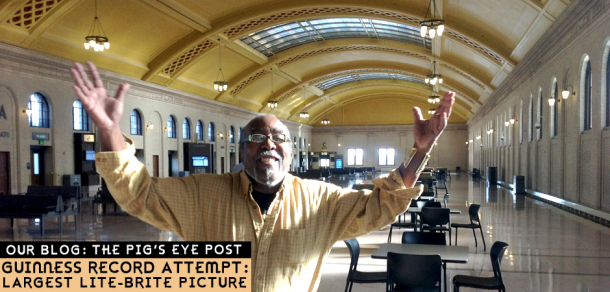
I had a meeting with Kimberly Nightingale in Lowertown two weeks ago and, sure enough, we got invited to play around with a Hasbro toy from our youth. Continue Reading
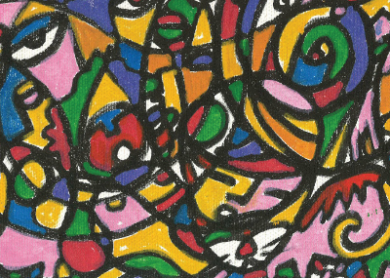
I wrote earlier about the Lite Brite art event now being prepared at downtown St. Paul’s Union Depot and I have more info thanks to a kindly update from Heidi M. Smith at Grassroots Solutions. The Lite Brite project is part of a launch event for The Saint Paul Foundation’s Forever Saint Paul Challenge, a grant program that funds–to the tune of $1 million–ideas ” to make Saint Paul great!” Continue Reading

For five weeks every winter I teach in our city parks and rec department’s Alpine ski program. Every winter, Como Park’s golf course is turned into a winter wonderland with cross country skiers and sledders occupying the lowland and skiers and snowboarders claiming 90 vertical feet of the steepest hill. We run a rope tow up both sides of it and run two snowmaking fans to keep it padded and a piston bully to groom it into shape. Each season we see hundreds of students come through our program, all ages. Mount Como is perfect for beginners and we see many families, many children in the four- to twelve-year-old age range. Continue Reading

I had a meeting with Kimberly Nightingale in Lowertown this morning and, sure enough, we got invited to play around with a Hasbro toy from our youth. Lite Brite was a simple toy that must have been heavily advertised on TV because I can still conjure the melody from the early ’70s commercial, “Lite Brite, Making things with light…” Lite Brite is basically a lightbulb in a box with holes punched in it. Tiny, colorful plastic pegs are plugged in, usually with the guide of a black paper template, to make a pointilliste picture that shines. Continue Reading
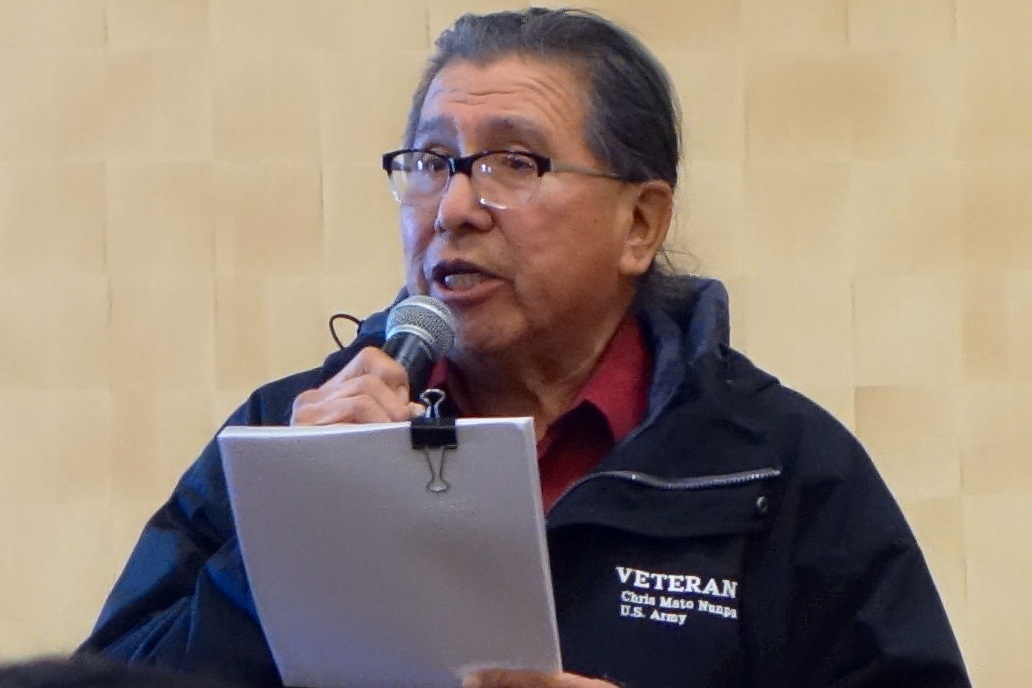
On Wednesday, January 9, Saint Paul’s City Council passed a resolution that will recognize 2013 as “The Year of the Dakota: Remembering, Honoring, and Truth-Telling.” The language of the resolution was nearly identical to one that was passed in Minneapolis on December 14, 2012.Saint Paul’s resolution acknowledges that the Dakota-U.S. War of 1862 and the mass execution of 38 Dakota in Mankato were events that opened a disturbing and neglected chapter of history, one characterized by the genocide of the Dakota people in Minnesota. The document resolves, from now on, to include the Dakota perspective at public events, to promote the well-being and growth of the American Indian community and to begin efforts to rectify the wrongs that were perpetrated since the Dakota-U.S. War of 1862 “a tragic and traumatic event for the Dakota People of Minnesota.” It also resolves that the year 2012-2013 will be “The Year of the Dakota: Remembering, Honoring, and Truth-Telling.”One difference from the resolution that was passed in Minneapolis is the addition of language that directs “the City of Saint Paul and its Parks and Recreation Department will work with the Dakota Bdote Restoration Consortium to identify, name, and interpret sacred Native American sites at and nearby the sacred Bdote from the confluence of the Mississippi and Minnesota rivers to Mounds Park; including listing, mapping, identifying Dakota site names in the Great River Passage Plan, and participating in on-going collaborative research to further describe, dually name, publicize, and interpret significant Dakota sites in the Great River Passage Park Implementation;”St. Paul, also known as Imniza Ska–a Dakota place, is full of sites that are sacred or historic to the Dakota people. The recent book Mni Sota Makoce: The land of the Dakota by Gwen Westerman and Bruce White describes the special history of the Dakota people in St. Paul.In Minneapolis, Councilperson Cam Gordon worked with members of the Dakota community to pass the resolution on December 14, 2012. Continue Reading

A large and historic gathering of Dakota people flooded Mankato’s Main Street, the site of Reconciliation Park, on the morning of December 26. The event was a reunion of sorts, bringing together participants in the Dakota Wokiksuye Memorial Ride and Memorial Run, Dakota people from other states and Canadian provinces and many others who wished to be a part of what Dakota/ Lakota leader Arvol Looking Horse described as “a new beginning of healing.” [Photos below]Reconciliation Park is the site where, 150 years ago, December 26, 1862, 38 Dakota men were hanged in the largest mass execution in American history. It was one of the punitive events that marked the end of the Dakota-U.S. War. Following the war, 1,700 Dakota women, children and elders were forced to march to a concentration camp at Fort Snelling. Ultimately, many Dakota fled or were banished from Minnesota. Continue Reading

In 1982, when I first traveled to the farm hamlet in western Värmland, Sweden where my grandmother and her people are from, most everything was a mystery to me. I had spent a lot of time studying Swedish and could pronounce it well and get by with polite phrases, but I had no deep knowledge of the language and how it related to the land. For example, the names of the farms I was visiting intrigued me. Continue Reading

Tonight we photographed more authors for a feature that will be published about our Irrigate Arts-funded projects “Lowertown Voices” and “University Avenue Voices.” The two projects consist of 14 large scale posters and one 200-square-foot banner that have been installed at various points along the light rail corridor. The posters and banners feature excerpts from stories originally published in The Saint Paul Almanac. Continue Reading