Fast tracking a corporate agenda

The U.S. trade debate shifted into high gear yesterday with the introduction of Congressional bills to fast track trade deals. If approved, this would give the administration the authority to negotiate trade deals behind closed doors and then submit the resulting agreements to Congress for an up or down vote, with very limited debate and no possibility of amendments. Unions, environmental organizations and many other civil society groups immediately denounced the bill as undemocratic and out of date. Some 151 Democrats issued a letter last week expressing opposition to the bill, so its passage is far from assured. Continue Reading

Growing “Farm to Hospital”

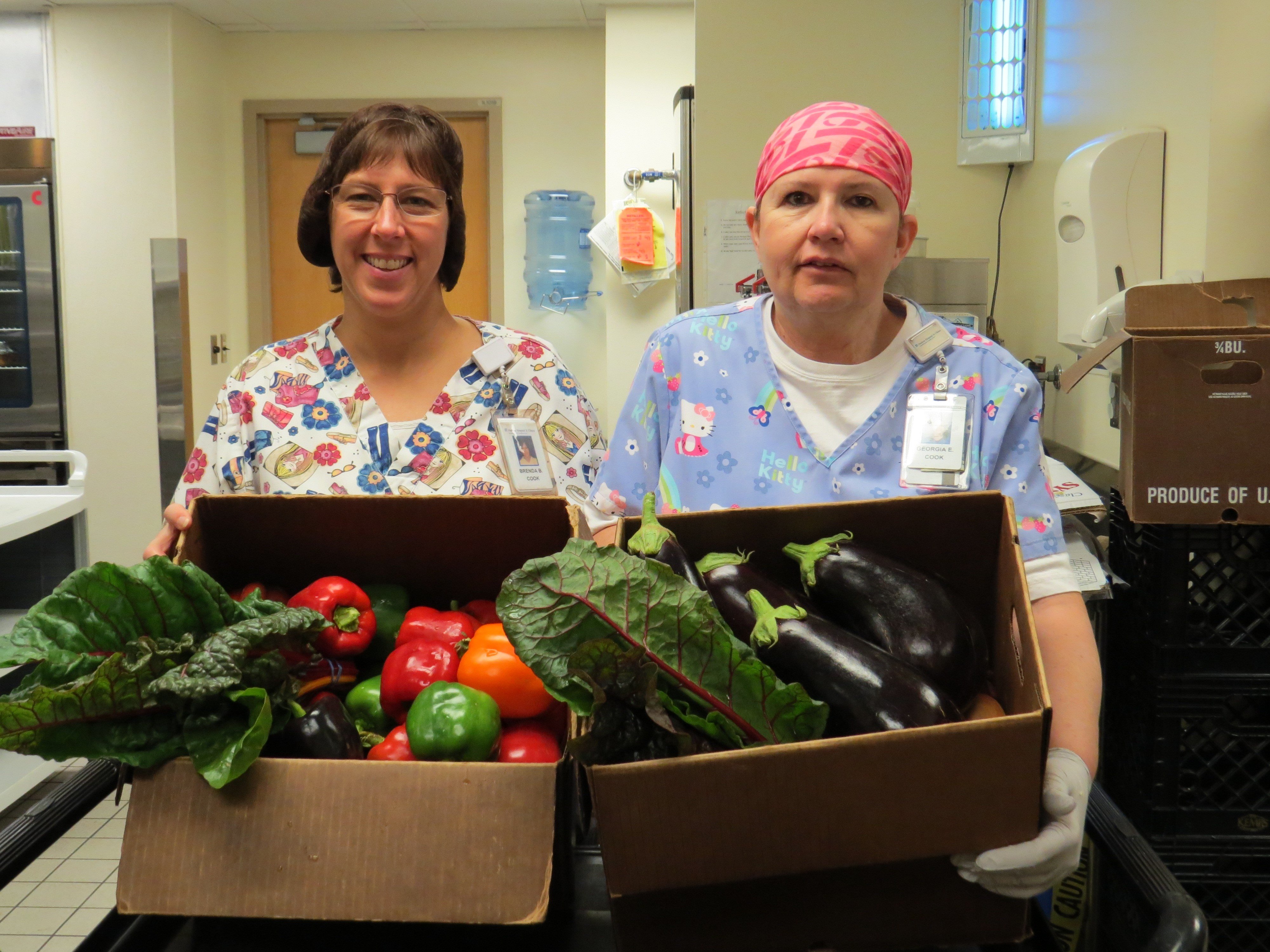
A growing number of hospitals are shifting the way they think about protecting and improving health, and taking a closer look at how and where the food they serve is grown. This is great news for the people who receive treatment, work at and visit the hospitals, but it’s also great news for local, sustainable farmers, and could become an important infrastructure pillar in building stronger local food systems. Continue Reading

The tree of knowledge of good and evil

It’s common to make biblical references when we want to underscore how ancient something is, but in the case of apples, we know they’ve been around for a very long time. Originating in Central Asia, hybrid varieties propagated through grafting were well established over 6,000 years ago. Today there are over 7,500 cultivars world-wide. Despite the range, diversity and quantity of apples produced in the world, however, Malus domestica apparently isn’t measuring up to the modern consumer’s expectations. At least that’s what Neal Carter, president of Okanagan Specialty Fruits thinks. He has developed genetically engineered Granny Smith and Golden Delicious apples that won’t turn brown when the flesh is exposed to air. Carter isn’t alone in searching for technological improvements to the apple. Nanotech coatings to keep fruits like apples, pears and mangos firm are already in use. Continue Reading

Rights to water and sanitation now legally binding

On November 21, the U.N. General Assembly’s Third Committee (The Committee) adopted a resolution on “The human right to safe drinking water and sanitation.” All U.N. member states agreed that the rights to water and sanitation are derived from the right to an adequate standard of living. As a result, these rights are now implicitly recognized as being part of International Covenant on Economic, Social and Cultural Rights (ICESCR), Convention on the Rights of the Child (CRC) and the Universal Declaration of Human Rights (UDHR). Continue Reading

Draft deal lays groundwork for future negotiations on exempting food security programs from WTO disputes

The WTO’s “Bali Package” was supposed to have been adopted this early morning of December 7 after trade diplomats rolled in for a final meeting at midnight. Earlier in the evening, at 8:00 p.m. on December 6, the WTO secretariat had shared a set of decisions proposed by the chair that comprise the Bali Package. The meeting was originally scheduled to close by 5:00 p.m.. However, at the time of this writing, Cuba, Bolivia, Venezuela and Nicaragua have said to have blocked consensus and the meeting has been adjourned. Cuba’s major issue has been language in the Trade Facilitation decision on “freedom of transit” that fails to address the problems it faces with the U.S. embargo against Cuba. The meeting has been adjourned to reconvene sometime in the next hours. Continue Reading

It’s not just the price of food, stupid

Eric Holt-Giménez, director of the amazing food policy think tank FoodFirst, recently wrote in the Huffington Post that if healthy, organic food is unaffordable, this is a problem of wages and rights, not inherently a problem with healthy, organic foods. Meanwhile, Doug Rauch, the former president of the grocery chain Trader Joe’s is set to open a market “to repurpose the perfectly edible produce slightly past its sell-by date that ends up in the trash . . . [the market] will prepare and repackage the food at deeply discounted prices.” One could take Rauch’s apparently noble kludge to reinforce the old saw that people only care about price when it comes to food. Continue Reading

NAFTA and US farmers—20 years later

One of the clearest stories from the NAFTA experience has been the devastation wreaked on the Mexican countryside by dramatic increases in imports of cheap U.S. corn. But while Mexican farmers, especially small-scale farmers, undoubtedly lost from the deal, that doesn’t mean that U.S. farmers have won. Prices for agricultural goods have been on a roller coaster of extreme price volatility caused by unfair agriculture policies, recklessly unregulated speculation on commodity markets, and increasing droughts and other climate chaos. Each time prices took their terrifying ride back down, more small- and medium-scale farmers were forced into bankruptcy while concentration of land ownership, and agricultural production, grew. Continue Reading

Climate change hits home

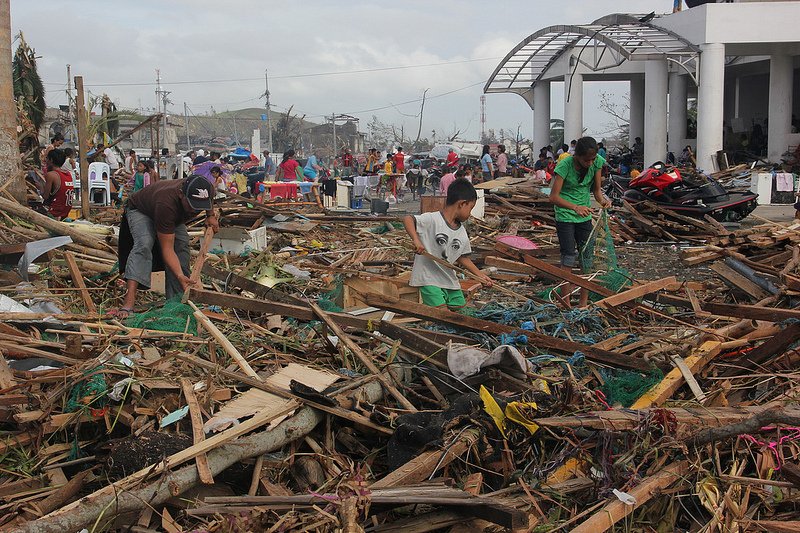
In the past week, we have had a terrible reminder of what’s at stake in our work with the horrific typhoon hitting the Philippines. IATP Board Member and Director General of the Asian Farmers Association (AFA), Esther Penunia, has let us know that she’s alright, after several anxious days. Some of our earliest work with AFA was working together to build knowledge and capacity on climate change before the Copenhagen talks in 2009, and they continue to be close partners to promote agroecology as a resilient, low-carbon solution to feeding a climate-challenged world. Continue Reading

The local food “safety” burden

Access to safe food is something that many of us take for granted. It is assumed that the jam we pick up from the farmers market or the chicken purchased from the grocery store will have been grown and processed in a way that will nourish, not harm, our health or the health of our family. Behind these and all food purchases is a long line of farmers and processors with the responsibility to ensure that we can be afforded this assumption of safety. Continue Reading