Tar sands, trade rules and the gutting of human rights for corporate profit

A new report released today from IATP takes an in-depth look at how tar sands have developed from an unconventional, inefficient energy source to the spotlight of the corporate agenda as conventional oil supplies dwindle. Tar Sands: How Trade Rules Surrender Sovereignty and Extend Corporate Rights follows the development of energy policy from NAFTA up to current free trade negotiations to illustrate that while energy sources evolve, one trend remains constant: The protection of corporate profits at the expense of human rights, sovereignty and the environment. With new free trade agreements in negotiation, the time for action is here: The public needs a seat at the negotiating table. Continue Reading
One rural community responds to climate change

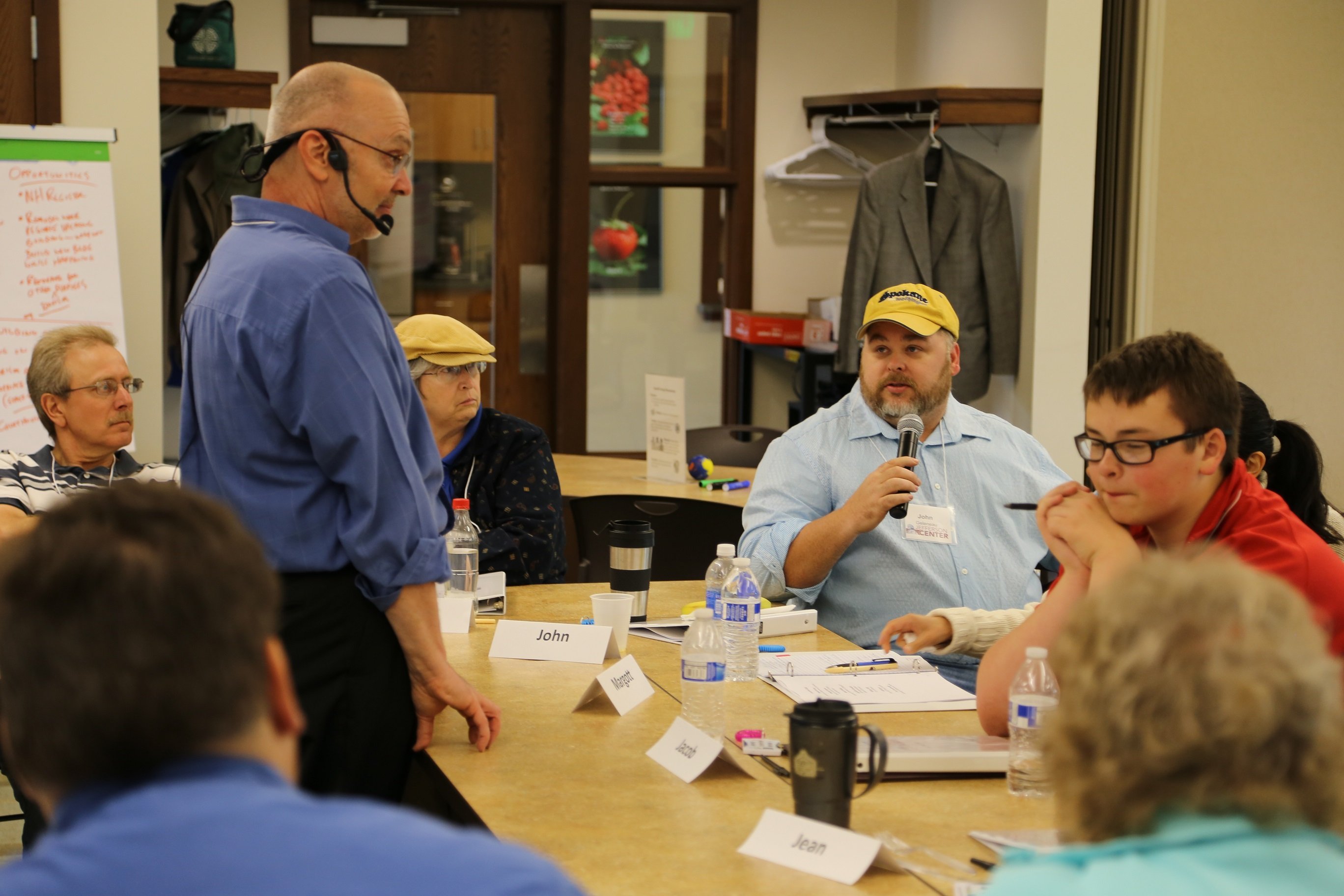
Extreme weather brought on by climate change will affect each community differently. Rural communities face particular challenges, as they often have higher transportation and energy costs, and their economy is frequently linked to agriculture—a sector directly impacted by a changing climate. But as we learned at the first Rural Climate Dialogue held in Morris, Minn., last week there are effective community-level options to respond to these climate concerns—as well as important opportunities for rural communities to be part of the climate solution. Continue Reading

A rural response to climate change

The U.S. Global Change Research Program released their Third National Climate Assessment on May 6; compiled by over 300 experts and peer reviewed by members of the public, climate change experts, federal agencies, and a panel of the National Academy of Sciences, the report details the impacts of climate change on the United States, including impacts on water, energy, transportation, agriculture, and human health, among other sectors. Continue Reading

Minnesota’s continuous living groundcover

Of Minnesota’s 55.6 million acres, 27 million acres are taken up by farmland. Currently, crop production is dominated by summer annuals like corn and soybeans, which need to be replanted each year and grow only in the summer. The consequence of this type of cropping is that for most of the year, no active roots exist in the soil to filter water, reduce runoff, or prevent erosion. Covering the ground with crops for a larger portion of the year by adding winter annuals and perennials to the landscape provides multiple benefits, including diversifying agricultural operations, protecting soils and waterways, and increasing wildlife habitat. Continue Reading

Take action on federal minimum wage: Support a food system that supports its workers

Healthy, sustainable food cannot come from an unhealthy system that exploits its workers. Right now, part of that exploitation is an unacceptably low minimum wage in all sectors of the food system, from production to distribution, retail, restaurants and food service. In response, the Food Chain Workers Alliance (FCWA) is coordinating a day of action in support of a higher minimum wage this coming Monday, March 31—César Chávez Day. Representatives will deliver a petition with over 101,000 signatures to House Speaker John Boehner in support of the Fair Minimum Wage Act (H.R. 1010 / S.460), which would increase the minimum wage from $7.25 to $10.10 per hour and the tipped minimum wage from $2.13 to 70 percent of that ($7.07 when minimum wage is $10.10). Continue Reading

Obama administration told to stop expanding “corporate rights” in trade agreements

One of the most controversial provisions in free trade agreements is the Investor-State Dispute Settlement (ISDS) mechanism, which gives corporations the right to sue governments over public measures that undermine their expected profits. It’s a pretty outrageous assault on democratic structures. In fact, when I tell people new to the trade debate about it, at first they often don’t believe me. Continue Reading

Climate hubs: A step forward

It’s a big week in the agriculture world. Just days before Obama signed the new Farm Bill into law, Agriculture Secretary Tom Vilsack announced the locations of seven regional hubs for climate change adaptation and mitigation. These hubs will attempt to address the risks that farmers increasingly face due to climate change—including fires, pests, droughts and floods—by disseminating research on ways landowners can adapt to and adjust management strategies to build resilience. Continue Reading