The Minnesota Nurses Association (MNA) held a rally and candlelight vigil at the Minnesota Capitol to draw attention to the lack of uniform and adequate safety procedures for dangerous viruses like Ebola at hospitals around the state.
It is hard to overstate the importance of the Mississippi River in the urban form of Minneapolis and Saint Paul. Once a source of energy and an important transport route, the river’s main value now is environmental and aesthetic. With the imminent closing of the Upper locks and the Upper Harbor Terminal–basically the Port of Minneapolis– the city has an incredible opportunity to redevelop 43 acres of riverfront land. More land will be available in the future, and the city has an extensive plan–the Above the Falls Master Plan–for developing the riverfront upriver from the Saint Anthony lock and dam. Continue Reading
The issue of Sunday liquor sales is likely to come up again next year, with the new Republican majority in the state legislature.
Minnesota is one of only 12 states that require liquor stores to be closed on Sundays. And many Minnesota consumers cross the border to Wisconsin, where Sunday sales are legal. . . . Continue Reading
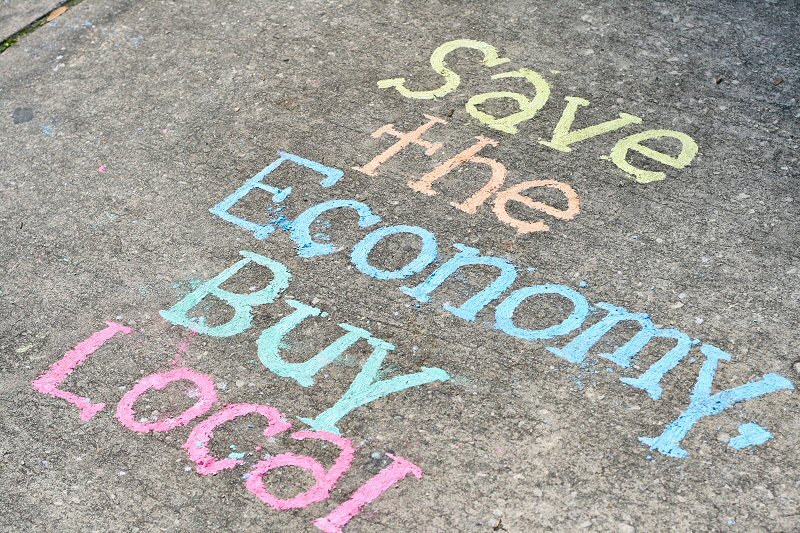
Communities across the United States and Europe are working to transform local economic systems so that they are more sustainable and equitable. Many states and communities are utilizing public procurement programs to support those efforts, especially bidding preferences for healthy, locally grown foods, energy or transportation programs that create local jobs and fair markets. Especially in the aftermath of the Great Recession, Buy American programs have helped ensure that taxpayer-funded programs create local jobs and serve social goals. Farm to School programs that incentivize purchases from local farmers have grown in all 50 U.S. states and many European countries. Innovative efforts are also underway to expand this approach to other institutions such as hospitals, universities and early childcare programs like Head Start. Continue Reading
A new Minnesota law explicitly says companies must let employees use sick time to care for ill relatives. Yet AT&T is telling some of its longest tenured employees that they can’t do that since their union contract gives them unlimited sick days.
Locally grown and locally sourced foods are making a real comeback, not only at co-op groceries but on chefs’ menus, in public school lunches and at mainstream grocery stores.
Outside a Home Depot in Richfield, Minnesota, members of Centro de Trabajadores Unidos en la Lucha (CTUL) announced a strike deadline of November 28, “Black Friday,” for retail janitors who work for cleaning companies throughout the Twin Cities area.
While climate change is typically associated with power plants, rising sea levels, or melting glaciers, an often overlooked yet important piece of the issue is our food system – agriculture is at the same time a cause, victim, and potential solution to climate change, depending on the way we grow and transport food from the fields to our plates.
Can we all agree that driving is the worst part of snowy weather? The soft coating of white would make our city feel like a magical snow globe were it not for the havoc it wreaks on our roadways.
For bikers and motorists merging on to the new and improved West 36th Street in Minneapolis the view may be a Tale of Two Cities. For bikers, the best of times and excitement over a separate, partitioned 10 foot wide expressway; for motorists relegated to the other half of the roadway, “Wow, the new repainted traffic lanes look awfully narrow?” Minneapolis recently completed construction of the model 36th Street West Bikeway Project, which converted half of the street into a protected bikeway and pedestrian corridor.This is a Community Voices submission and is moderated but not edited. The opinions expressed by Community Voices contributors are their own and do not necessarily reflect the opinions of the TC Daily Planet.The protected lane is comprised of a 3 foot buffer and railing separating vehicle traffic from a 10 foot wide bicycle and 7 foot wide pedestrian path. Running from Lake Calhoun to Dupont Avenue South, the $180K project was cooperatively funded by the city of Minneapolis, Hennepin County and two East Calhoun neighborhood groups. Continue Reading