Asian Americans in Science

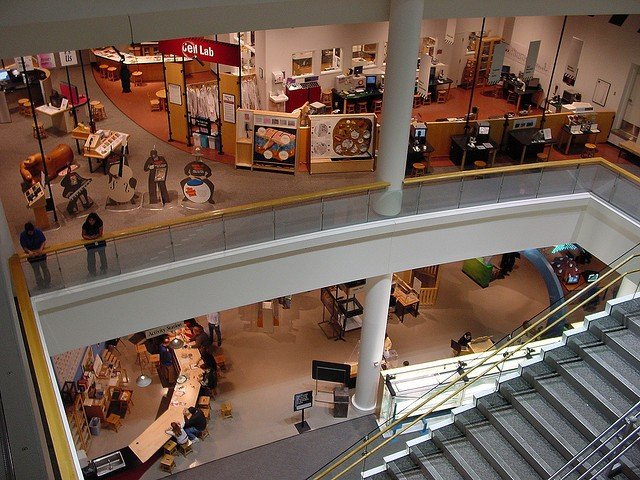
Omnifest 2015 isn’t the only thing beginning this weekend at the Science Museum of Minnesota.Beginning this Saturday, January 10, science, culture and opportunity will meet during the Science Museum’s popular Science Fusion event series. This long-running event series, taking place on four Saturday afternoons in January and February, focuses on the accomplishments of members of the Twin Cities’ Asian American, African American, American Indian and Latino and Hispanic communities in the areas of science, technology, engineering and math (STEM).During each Science Fusion event, science and education professionals from leading Twin Cities companies will present displays that demonstrate their passion for their work and highlight the contributions they’ve made to science and innovation. Visitors of all ages will get a memorable, hands-on look at the scientists’ areas of expertise in a science fair-style setting that is the perfect atmosphere for in-depth, one-on-one interaction between visitors and presenters.In addition, eight students from around Minnesota will be formally recognized and awarded the 2015 Donaldson Science Award, which recognizes outstanding student effort and achievement in the STEM disciplines.The 2015 Science Fusion events are:African Americans in Science: Saturday, January 10First celebrated in 1992, African Americans in Science was the pioneer Science Fusion and has become a beloved Science Museum tradition. Visitors will meet science and educational professionals from USDA Forest Service, Boston Scientific, the University of Minnesota Medical School, 3M, the Association of Genetic Technologists, and other organizations, learn about what they do through interactive displays and presentations, and discover the inspiring contributions they’ve made to technology, education, health care, and innovation.Amantes de la Ciencia!: Saturday January 24Amantes de la Ciencia (Lovers of Science) introduces visitors to science and education professionals from the Twin Cities’ Latino and Hispanic communities. Companies and organizations represented this year include Academia Cesar Chavez, Ecolab, General Mills, and the Society of Hispanic Professional Engineers. Continue Reading

Transportation, budget will be focus of 2015 legislative session

The Minnesota Legislature’s 2015 session convenes Tuesday, with passage of transportation legislation and a state budget at the top of the agenda. Transportation – including mass transit as well as highways and roads – is seen as the major unfinished priority from 2014. Move Minnesota, a coalition of groups that includes organized labor, is pushing for a comprehensive transportation legislation that includes:

Reliable roads and bridges
Greater accountability and transparency
Better transit access
Safe, convenient bike and pedestrian choices

“If Minnesota does not fix its transportation system, our economy and ability to create and retain jobs will be at risk,” the coalition said. “Our economy is one of the fastest growing in the country, yet the cost of fixing and upgrading our transportation system cannot be met with current funding. Making smart investments in transportation will ensure Minnesota can compete for jobs and businesses.”

Lawmakers also must pass a two-year budget to fund health, human services, education and many other needs. Continue Reading

Loring Park Winter Fest builds community outdoors in December

On December 11, resident and friends of Loring Park gathered for the Loring Park Winter Fest. The event, put on by Citizens for a Loring Park Community, Friends of Loring Park, the Loring Park staff, and many others, featured horse drawn carriage rides, a bonfire, balloon art, a community dance hall by Kairos Alive! and a sing-a-long led by Dan Chouinard. Here’s a look at this year’s event. Continue Reading

The Column’s 2014 year in review: Winners and losers

2014 was a year marked by significant advances in equity for the LGBT community, but the news wasn’t all positive. Violence against members of the community was a significant news story in 2014, as was the rise of anti-LGBT groups who despite failing to block equity efforts, disseminated false information about LGBT people. The Column has put together the winners and the losers for 2014.

Continue Reading

Minnesota Republicans solve education

I’ve written before about the challenges that Minnesota Republicans face, politically. I am pleased to report that they are being triumphantly met, via the MNGOP Solution Center. I’m sure I’ll be coming back to this glorious endeavor, from time to time; for today, a few notes about GOP solutions on education, to the admittedly limited extent that my puny left-wing intellect can process such breakthroughs. Continue Reading

Minnesota’s hidden intercity bus network

There was a time when buses and trains connected the Twin Cities with every corner of Greater Minnesota. The trains are gone except for Amtrak’s Empire Builder, which has become quite unreliable and inconveniently runs west of Minneapolis in the wee hours. Except for its express link to Chicago via Eau Claire and Madison, Greyhound has completely withdrawn from the state where it was founded in 1914. Locally owned Jefferson Lines has filled many of the gaps, but conventional bus service has become sparse, mostly bypassing the small towns and running only once or twice daily. Continue Reading

Minnesota’s broken transportation funding system

Not only is Minnesota’s infrastructure in badly need of repair but so is the system set up to pay for it. But it is not just Minnesota; the entire process for how America pays for roads, bridges, and other forms of infrastructure is vastly outdated, reflecting a carbon-intensive consumptive model of the world. For that reason, whatever the Minnesota legislature likely does this session when it comes to infrastructure and transportation funding, it will be outmoded from the start. Continue Reading

Seven Minnesota education successes in 2014

Looking back on 2014, seven Minnesota education stories strike me as especially encouraging . This isn’t to suggest everything is perfect. But students, families, school faculty, Gov. Mark Dayton, Minnesota Dept of Education Commissioner Brenda Cassellius and state legislators deserve credit for some important steps. Continue Reading