The Black Owned Business Series – The Avenue Eatery

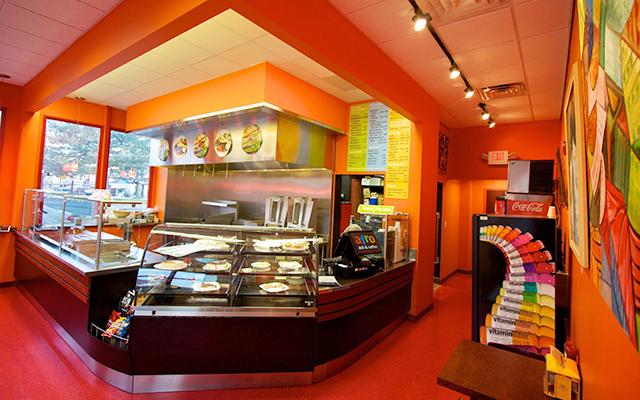
The Black Owned Business Series Vol. 1 – The Avenue Eatery from SwayHeavy Productions on Vimeo. In an effort to encourage group economics and entrepreneurship within the black community, SwayHeavy has partnered with 4seen Magazine to create the “Black Owned Business Series”. In volume one of this series we visit one of the staple black owned businesses of north Minneapolis, The Avenue Eatery. Join us for a quick conversation with Sammy, as well as a peek into the inner goings of this thriving black business. Continue Reading

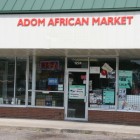
Adom African Market

Tucked away in a little strip mall on the border of Richfield and Minneapolis is a small African market with a large ‘Obama 2012’ poster in the front window. Adom African Market stocks food for the local community of West Africans who traveled 6,000 miles to make new lives in the Twin Cities, but who still want a taste of home. Continue Reading

Crop insurance: Good enough for Monsanto, good enough for sustainable agriculture

From the fact-is-stranger-than-fiction department: In 2007, Monsanto talked the USDA’s Risk Management Agency into giving farmers a discount on crop insurance premiums if they planted the company’s triple-stacked GMO corn. Reportedly, some reviewers of the proposal raised concerns that the premium subsidy would unfairly benefit a single private company. Continue Reading

IGGERS DIGEST | Katar River: flavors and aromas of Ethiopia

It’s easy to miss the Katar River restaurant, hidden away in a little industrial strip behind the Lake & Hiawatha shopping center in south Minneapolis. And even if you saw the big sign outside, you probably wouldn’t know that this is specifically an Ethiopian restaurant, and a very good one. The basic menu is pretty much the same as most of the other Ethiopian restaurants in town – you get a big platter draped with thin sheets of spongy pancake-like injera bread, topped with your choice of one or more meat or vegetable dishes. Most entrees are in the $10.95-$12.95 range, and easily big enough for two. The meats are mostly stews of lamb, beef or chicken, ranging from mild to spicy, while the vegetable options include slow-cooked preparations of cabbage, carrots, lentils, split peas, beets, green beans and collard greens. Continue Reading

My DIY sufganiyot crawl

Running a Jewish preschool is fun. It often inspires me to take on fun projects. For example, one of my staff was looking at resources for Hanukkah and said “Wait, what do donuts have to do with Hanukkah?” Continue Reading

Homegrown Minneapolis hands out “Heroes” awards

“Unity will come to local farming, and prosperity will come to the local economy” Minneapolis Mayor Betsy Hodges said in her remarks at the Third Annual Homegrown Minneapolis Open House last Wednesday. The mayor added that “the thoughtfulness and consideration of all of you here helps make sure that everyone can do better, now and in the future.”

The meeting, in the Cedars Hall of St. Maron church, attracted over 200 people, who also heard moderator Russ Henry (HM Food Council co-chair), 3rd Ward City Council member Jacob Frey, and 2nd ward City Council member Cam Gordon speak. Council member Gordon noted that “There has been a breakthrough in how we see the culture of food production and distribution, and we now have bureaucrats and activists sitting down together to help formulate food policy.”

Council member Frey said there are over 700 empty residential parcels in the city and “even after accounting for sales for revenue, there are many potential new community gardens waiting to be utilized.”

The event was made possible by more than thirty sponsors and partners, including City Departments, and fifteen local organizations which had information tables in the hall, ranging from Youth Farm, a Twin Cities youth-leadership organization serving over 800 young people who cultivate local public gardens and sell their produce, to The Beez Kneezs, a collective for local “hive partners,” bee education (apiology) and honey production. Homegrown Minneapolis, and its board, the Homegrown Minneapolis Food Council, are part of the City’s Sustainability Office. Continue Reading