It’s not just the price of food, stupid

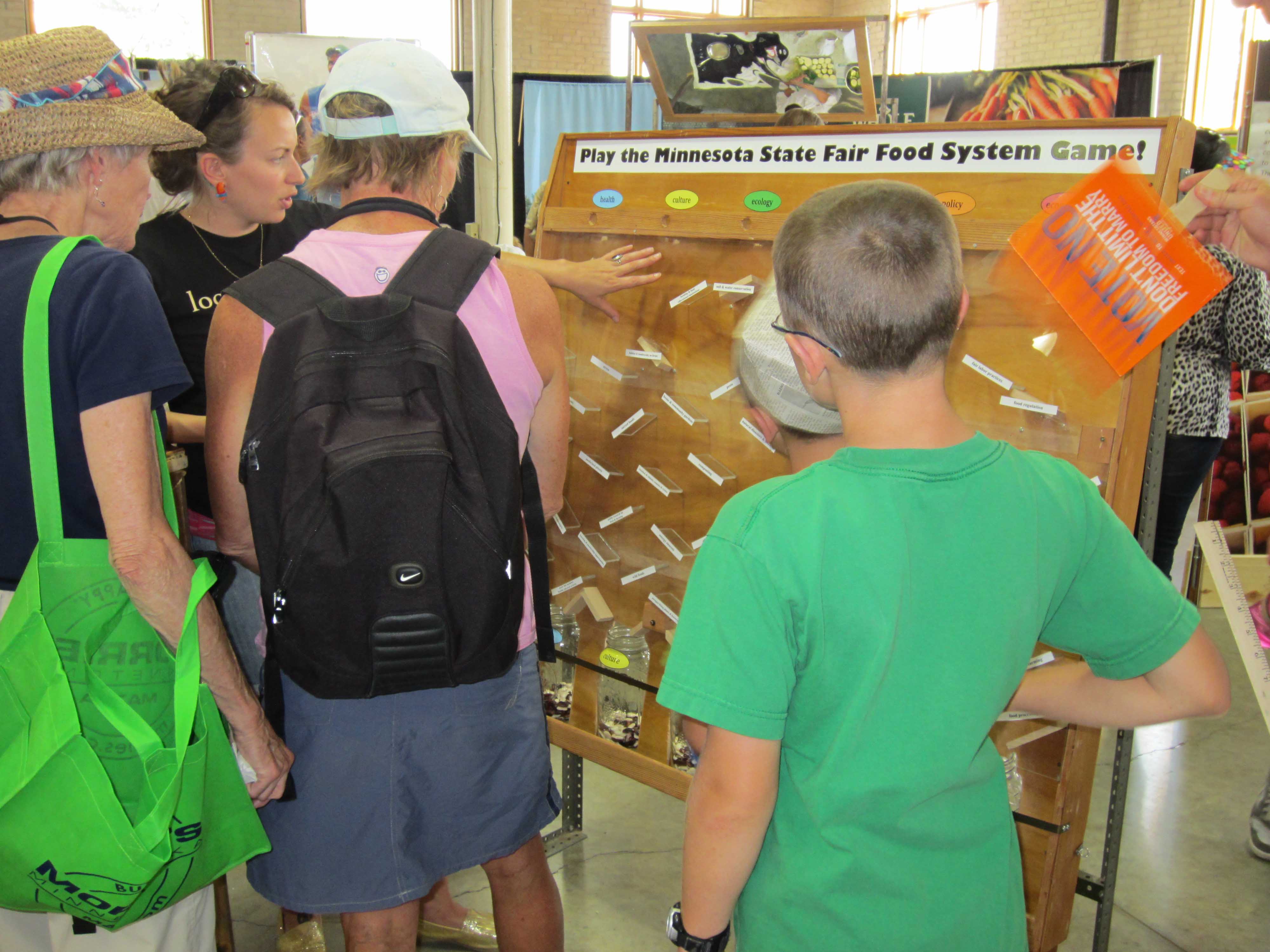
Eric Holt-Giménez, director of the amazing food policy think tank FoodFirst, recently wrote in the Huffington Post that if healthy, organic food is unaffordable, this is a problem of wages and rights, not inherently a problem with healthy, organic foods. Meanwhile, Doug Rauch, the former president of the grocery chain Trader Joe’s is set to open a market “to repurpose the perfectly edible produce slightly past its sell-by date that ends up in the trash . . . [the market] will prepare and repackage the food at deeply discounted prices.” One could take Rauch’s apparently noble kludge to reinforce the old saw that people only care about price when it comes to food. Continue Reading
Minnesota’s exceptional climate: An interview with climate scientist and storm chaser Kenny Blumenfeld

The podcast this week is a conversation with Kenny Blumenfeld, a writer, storm chaser, and climate scientist who has taught meteorology and geography at the University of Minnesota and Metro State University for years. I have had the pleasure of reading Kenny’s semi-fortnightly weather reports, that offer details of weather events while explaining the complex meteorological forces that create them. These days, he’s working on a documentary about winter focused on Minnesota’s changing climate. Check it out! Continue Reading

NAFTA and US farmers—20 years later

One of the clearest stories from the NAFTA experience has been the devastation wreaked on the Mexican countryside by dramatic increases in imports of cheap U.S. corn. But while Mexican farmers, especially small-scale farmers, undoubtedly lost from the deal, that doesn’t mean that U.S. farmers have won. Prices for agricultural goods have been on a roller coaster of extreme price volatility caused by unfair agriculture policies, recklessly unregulated speculation on commodity markets, and increasing droughts and other climate chaos. Each time prices took their terrifying ride back down, more small- and medium-scale farmers were forced into bankruptcy while concentration of land ownership, and agricultural production, grew. Continue Reading

Public lands contributing to pollution

It’s no secret the energy fueling our nation comes at a heavy cost to the environment and human health. What we don’t talk about is that a good portion of our domestic energy and other vital resource procurement occurs on publicly owned land. Continue Reading

Haiyan is an example of climate change making things worse

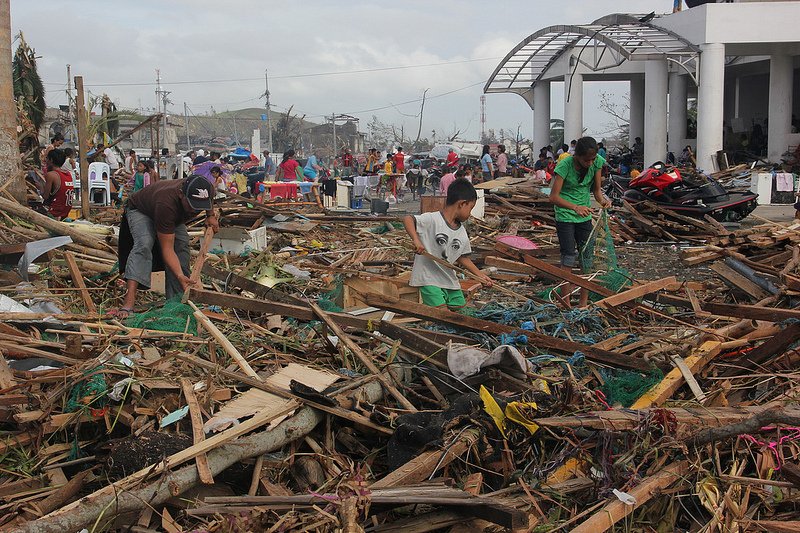
A few days ago a major typhoon struck the Philippines and then Vietnam, with another smaller storm heading in roughly the same direction. At about the same time, a tropical cyclone hit Somalia and killed at least 100 people there. The United States is not unaffected by the impacts of large tropical storms. There is reason to believe that tragedies like these may become more common or more severe with climate change. We must first address the urgent needs of the people in the affected areas, but it is also true that events like these and the voices of the victims must drive our continued commitment to address climate change preemptively. Continue Reading

Climate change hits home

In the past week, we have had a terrible reminder of what’s at stake in our work with the horrific typhoon hitting the Philippines. IATP Board Member and Director General of the Asian Farmers Association (AFA), Esther Penunia, has let us know that she’s alright, after several anxious days. Some of our earliest work with AFA was working together to build knowledge and capacity on climate change before the Copenhagen talks in 2009, and they continue to be close partners to promote agroecology as a resilient, low-carbon solution to feeding a climate-challenged world. Continue Reading

‘Why are we hearing about it now?’ Southeast Como residents urged to test for toxic vapors under their homes

Some 200 buildings in the Como and Marcy-Holmes neighborhoods may be contaminated with toxic fumes from a chemical used by General Mills in a research center more than 50 years ago.The chemical, trichloroethylene or TCE, has been detected in vapors escaping from the soil and could seep into the basements of homes, potentially causing various cancers and damaging immune systems, according to officials from the Minnesota Pollution Control Agency and the Minnesota Health Department.UPDATE 12/8/2013: What’s new in the Como neighborhood / General Millls / TCE pollution story? Almost a month after the community meetings reported in this article, dozens of homes have shown problematic levels of TCE, two class action lawsuits have been filed, and testing continues. Click here for more. The two agencies mailed notices to residents, called two public meetings and asked residents and building owners to provide access for contractors to sample fumes in their basements.“I’ve lived here for 40 years and raised my two boys here,” said Rhona Leibel, who lives near Fairmont and 19th Avenue Southeast in the Como neighborhood. “One of my concerns is whether the MPCA knew about these dangers earlier. Why are we hearing about it now? Continue Reading

Our nitrogen pollution solution? Livestock, land and people

In October, I told the Minnesota House Environment, Natural Resources and Agriculture Finance Committee that we had begun to listen to our farm, an assertion lawmakers heard with some surprise. The occasion was testimony around the Minnesota Pollution Control Agency’s presentation of its “Nitrogen in Minnesota Surface Waters” report, which showed among other things that 73 percent of the nitrogen escaping into the state’s rivers is coming from cropland. My statement was a plea, really, the expression of a hope that Minnesota’s farmers would begin farming again. Continue Reading