Rents rising in Frogtown as light rail opening day approaches

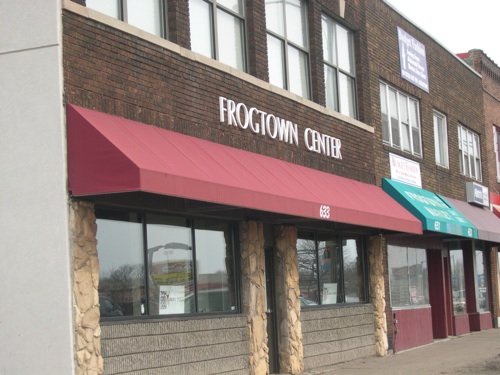
The Green Line’s opening is four months away, but the train has already brought rent increases for Frogtown renters.Organizations working closely with Frogtown have been worried about rent increases for years, and recent data from HousingLink shows that these fears may be justified.According to Minnesota Housing Link’s third quarter analysis, median rent listings for the “shadow market” in Frogtown — duplexes, condos, single-family housing, and townhomes — have risen remarkably in the last year. In 2011, the median rent was $807. In 2012 it rose to $850, and by 2013, the median rent had jumped to $995. Rent listings for multi-unit apartment buildings have remained unchanged.The rent increase for duplexes, condos, single-family housing, and townhomes is particularly significant for Frogtown. According to the Minnesota Housing Preservation Project (MHPP)’s Before the Train report, 43 percent of the housing in the Midway East area (which roughly corresponds to Frogtown) is single family or duplex housing. Continue Reading

Minneapolis funeral singer offers comfort to mourning families

“There are funerals where they bring out a boombox and it’s so impersonal. It doesn’t honor or celebrate the person, it doesn’t touch souls the way live music can. The way a live human being could move with the spirit of the room, the feelings people are having, and pick up on that energy,” said Jayanthi Kyle, as she reflected on what inspired her emerging work of singing at funerals. Kyle offers the healing power of song to families who are celebrating the life of loved ones who have passed on.Kyle said her experience as a young woman in many ways prepared her for this work. “I had a lot of family members and close friends pass when I was younger,“ she said. Continue Reading

From craft breweries to furniture showrooms: Many Northeast developments are underway

You don’t see many light bulb factories, seed distribution companies, paper warehouses or metalworks in Northeast Minneapolis, anymore.What’s here now—thanks to local developers who have a growing appreciation for the area—are new craft breweries, boutiques, coffee houses and furniture showrooms, housed in repurposed older buildings that are showing off their unique architectural features.First & FirstPeter Remes, president of First & First Creative Real Estate, has bought and renovated three such properties in Northeast since 2006. The company owns 945 Broadway —formerly home to the Land O’ Nod mattress company and Twin City Paper Supply Company. Its new tenants include the microbrewery 612Brew, and Spyhouse Coffee, a coffeehouse and roastery. About 10,000 square feet are still available in the 60,000 square foot building, Remes said, but they are close to leasing out the remaining area. Core Power Yoga recently signed on as a tenant, he added.Last fall, First & First bought the Alamo, a building at 1517 Central Ave. Continue Reading

Is Frogtown going to gentrify?

How much transformation will the Central Corridor Light Rail create in the neighborhoods that it runs through? Will current residents benefit from more jobs and improved housing? Will rents rise, forcing lower-income residents out and making room for bargain-seekers and higher-income residents attracted by improved transit? Or will high poverty rates and housing stay pretty much as they are in neighborhoods like Frogtown? This is one of a series of four stories, looking at the issues of subsidies, affordable housing, and segregation.• Eagan vs. Continue Reading

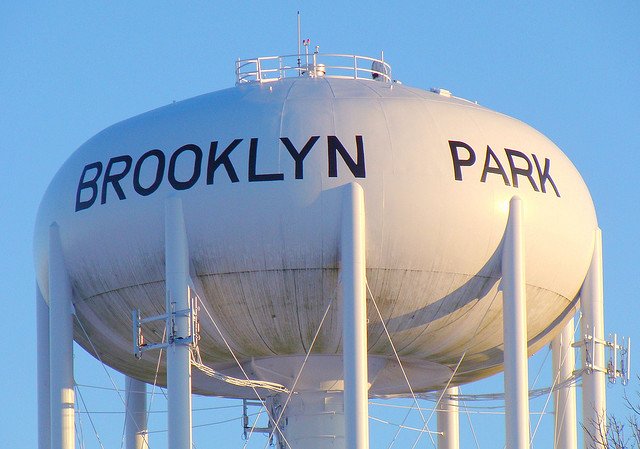
Changing face of Brooklyn Park

Joy Marsh Stephens moved to Brooklyn Park in the late 1990s for the promise of a safer, better community. What she found was a mostly white area that wasn’t always welcoming. Today, Brooklyn Park has growing diversity, which Stephens appreciates, but also more poverty. Stephens wishes the city would face the problems head on, rather than focusing on its current rebranding strategy.This is one of a series of four stories, looking at the issues of subsidies, affordable housing, and segregation.• Eagan vs. Frogtown: Should housing subsidies increase integration in suburbs or improve housing in low-income neighborhoods?• Nelima Sitati: Make sure people of color are at the decision making table in housing discussions• Is Frogtown going to gentrify?• Changing face of Brooklyn ParkSecretary of the Board of Isaiah, a faith-based social justice coalition of congregations, Stephens said her work is focused in Brooklyn Park, which has recently seen a lot of development, but has a “vast wealth disparity from a racial standpoint.” Stephens moved to Brooklyn Park in 1998 from South Minneapolis. Continue Reading

Minneapolis Police Department to test body cameras, while University police hold off

Minneapolis police officers will soon sport small cameras to record their patrols, but University of Minnesota police officers will not be joining them.The City Council voted in December to set aside $400,000 to equip Minneapolis police with body cameras to help improve accountability, but University police Deputy Chief Chuck Miner said he doesn’t see a need for the devices on University officers — at least not right now.He said he expects body cameras to be common policing equipment in 10 years as law enforcement continues to use more video recording technology, but functionality and financial reasons are keeping the cameras out of UMPD.“Now is not the time,” he said.University police have had video cameras in their squad cars for about a decade, and UMPD was one of the first departments to do so. Miner said these cameras provide enough surveillance, but the department isn’t completely against the idea of getting body cameras in the future.Miner said the department started looking into buying body cameras for officers about a year ago but found they aren’t as functional as squad car cameras and are a big spending decision.He also said some officers might be concerned about the privacy implications of having cameras on their bodies at all times.“I think all of us would have a concern about that,” he said.If UMPD installed the body cameras, then the University, not the city of Minneapolis, would cover the cost. The body cameras would likely come at the same time the department purchases new squad-car cameras, Miner said.Still, many city police officers patrol in neighborhoods surrounding the University. John Elder, Minneapolis police public information officer, said he’s confident officers will be testing the cameras before the year ends.The project is still in its preliminary phases, and many details have to be ironed out, he said, but it’s on the “front burner.”Greater transparencyWhile officers have traditionally reacted to recording devices with reservation, using body cameras while on patrol to improve transparency is a growing trend nationwide.In Minnesota, the Burnsville Police Department started using body cameras in 2010 because squad car cameras didn’t record most police action, Chief of Police Eric Gieseke said.He said they were useful for investigating, documenting crime scenes and evaluating complaints about officers.Elder said there were privacy concerns when police departments started using cars with camcorders years ago. Now, he said, officers appreciate the recording because it often serves as evidence that clears officers during misconduct cases.Liability issues and cases of police misconduct were some of the main reasons the City Council voted to approve the budget allocation for the cameras, said John Dybvig, policy aide for the chair of the Ways and Means Committee.If a police officer is accused of misconduct, the case often turns into a series of “he-said, she-said” evidence, Dybvig said, but the cameras would help give concrete evidence.Minneapolis police received 75 allegations of misconduct last quarter, according to the Office of Police Conduct. Continue Reading