Susan Hegarty is a freelance journalist and owner of Pencil Thin Communications, Inc., a public relations and marketing business she opened in 2007. Based in the Twin Cities Metropolitan Area, Susan has written for a variety of publications, both print and online. When she's not a news hound, she can be found traveling the world photographing sunsets.
One of the options under the federal Patient Protection and Affordable Care Act is for states to provide basic health care coverage to people earning between 133 and 200 percent of the federal poverty level. For an individual, that amounts to between $15,000 and $23,000 of income per year.
Minnesota’s version of the federal Patient Protection and Affordable Care Act is now state law and has an official name — MNsure: ‘Where you choose health coverage.’
It’s rare when Minnesota Citizens Concerned for Life and Pro-Choice Minnesota support the same legislative proposal. But after their shared testimony Tuesday, a House committee approved repealing a 2003 law that freezes welfare payments when an additional child is born to a family receiving cash benefits.
An audit of the state’s 130 in-patient services for people with mental illness, developmental disabilities and chemical dependency resulted in several recommendations by the Office of the Legislative Auditor for service improvements from the top down.
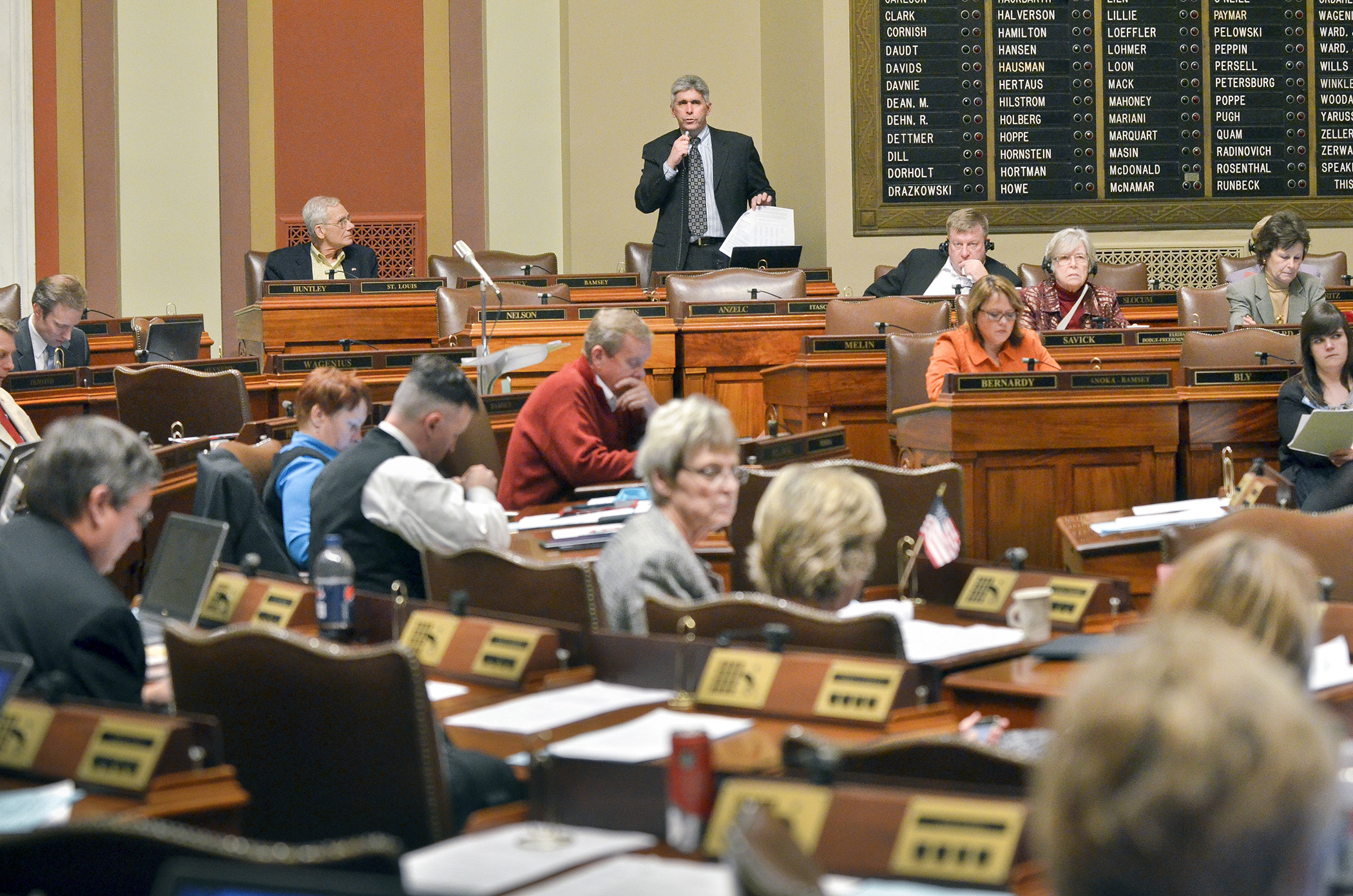
Conferees for the proposed Minnesota Insurance Marketplace went into meetings this week at odds over funding a new state agency that would run a health care exchange. They emerged Wednesday night with a compromise they admittedly said would be a tough sell to the full House and Senate.That prediction came true Thursday, when House members debated the conference committee report for two hours before recessing so committees could continue their bill reviews in time for Friday’s first deadline. They reconvened at 9:45 p.m. and voted 72-61 just after midnight to adopt the conference committee report. The Senate is expected to vote Monday.“It’s been a very respectful and thoughtful debate throughout,” said Rep. Joe Atkins (DFL-Inver Grove Heights), the House sponsor.HF5*/ SF1, also sponsored by Sen. Tony Lourey (DFL-Kerrick), would enable Minnesota to operate its own health exchange rather than defer to a federally-run exchange, under the federal Patient Protection and Affordable Care Act.2014 premium withhold lowered The marketplace — a new state agency that would work in tandem with insurance carriers who would sell plans through a state website — is projected to cost $60 million annually to run. The Senate wanted to use the tobacco tax to pay for operations, while the House proposed a withholding fee on each policy sold through the exchange.Conferees now recommend that legislators accept the House position, a withholding fee on each policy sold, rather than the tobacco tax, which goes into the General Fund.“We don’t have that money to spend,” Atkins said.The rate of the withholding fee was lowered from 3.5 percent to 1.5 percent for 2014, the first year of the exchange. Continue Reading
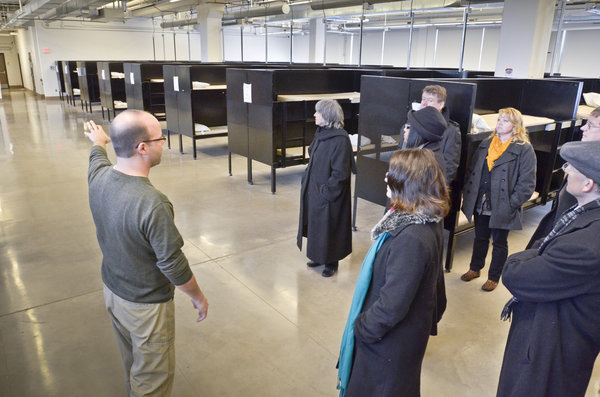
A former Minneapolis funeral home is now home for 16- to 19-year-olds in need of a safe, stable place to live off the streets as they transition from children to adults with responsibilities.
Radon is a radioactive gas that is odorless, tasteless and invisible. The gas is emitted into the air naturally from the soil. It can collect in high concentrations in the air in basements and is blamed for an estimated 700 lung cancer deaths each year in Minnesota, according to a nuclear physicist who testified before the House Housing Finance and Policy Committee on Wednesday.
Just 27 days before the federal government requires a decision on whether Minnesota will move forward with a state-run health care insurance exchange, the House passed legislation Monday that would create a Minnesota Insurance Marketplace. States may choose to operate their own exchange or defer to a proposed federally-run exchange.
Every Minnesotan will be required to have some form of health care insurance beginning Jan. 1, 2014, as a result of the federal Patient Protection and Affordable Care Act passed in 2010. States can operate their own health care exchange, or defer to a national exchange run by the federal government.
More than 35,000 additional low-wage earners may qualify for Medical Assistance coverage as a result of a new law that extends coverage to people making up to 138 percent of the federal poverty lev