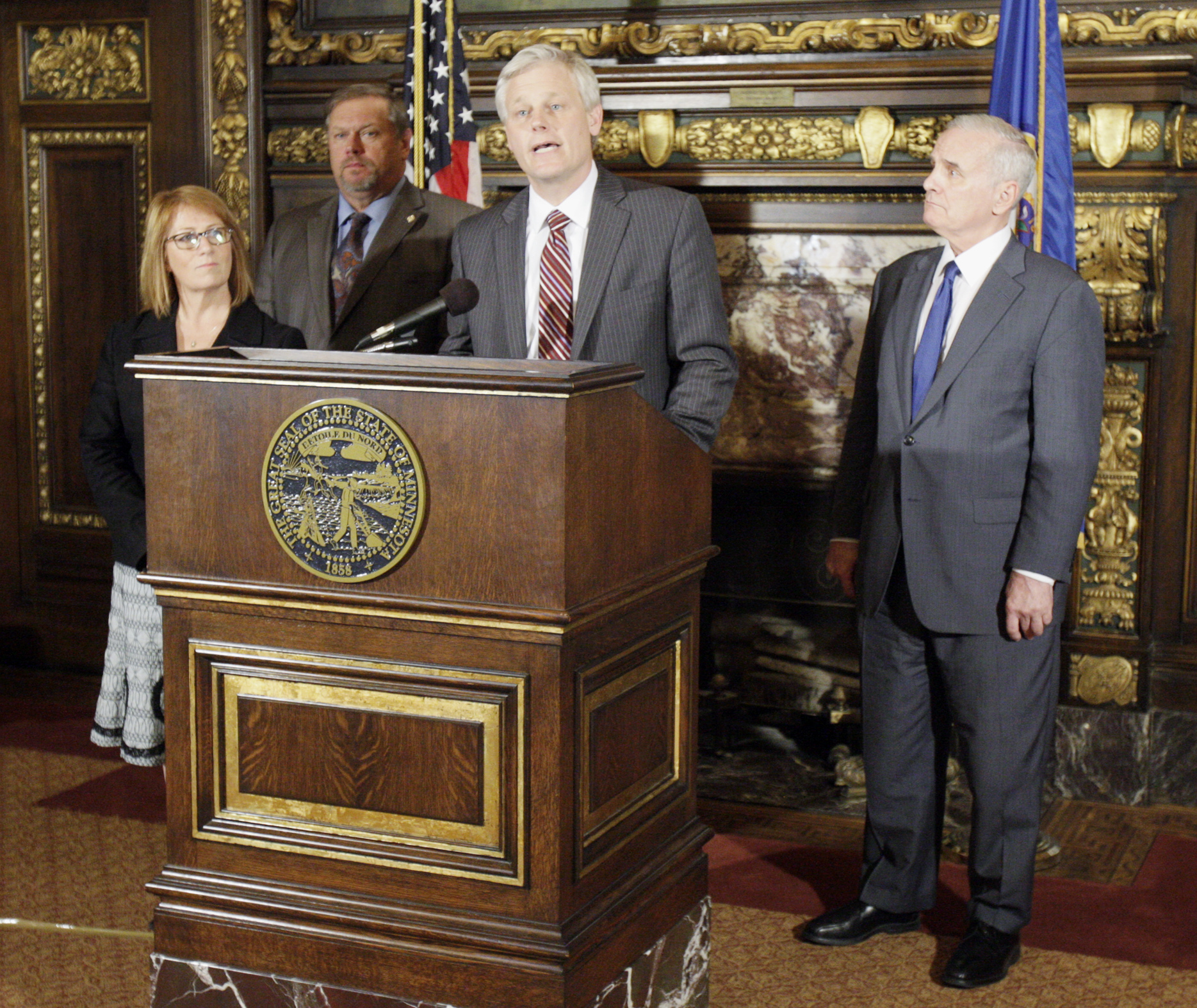
Agreement reached on rate for top-tier earners
|
Legislative leaders and the governor announced an agreement on how they want to raise the $2 billion in new revenue to balance the next biennial budget.
Twin Cities Daily Planet (https://www.tcdailyplanet.net/author/leeannwahi/page/3/)
Legislative leaders and the governor announced an agreement on how they want to raise the $2 billion in new revenue to balance the next biennial budget.
An effort to help Native American children retain ties with their tribal communities if parental rights are terminated awaits action by the governor.
Continued attempts to collect child support that is proving to be uncollectible is not a productive use of state’s county attorneys time, say supporters of HF1470.
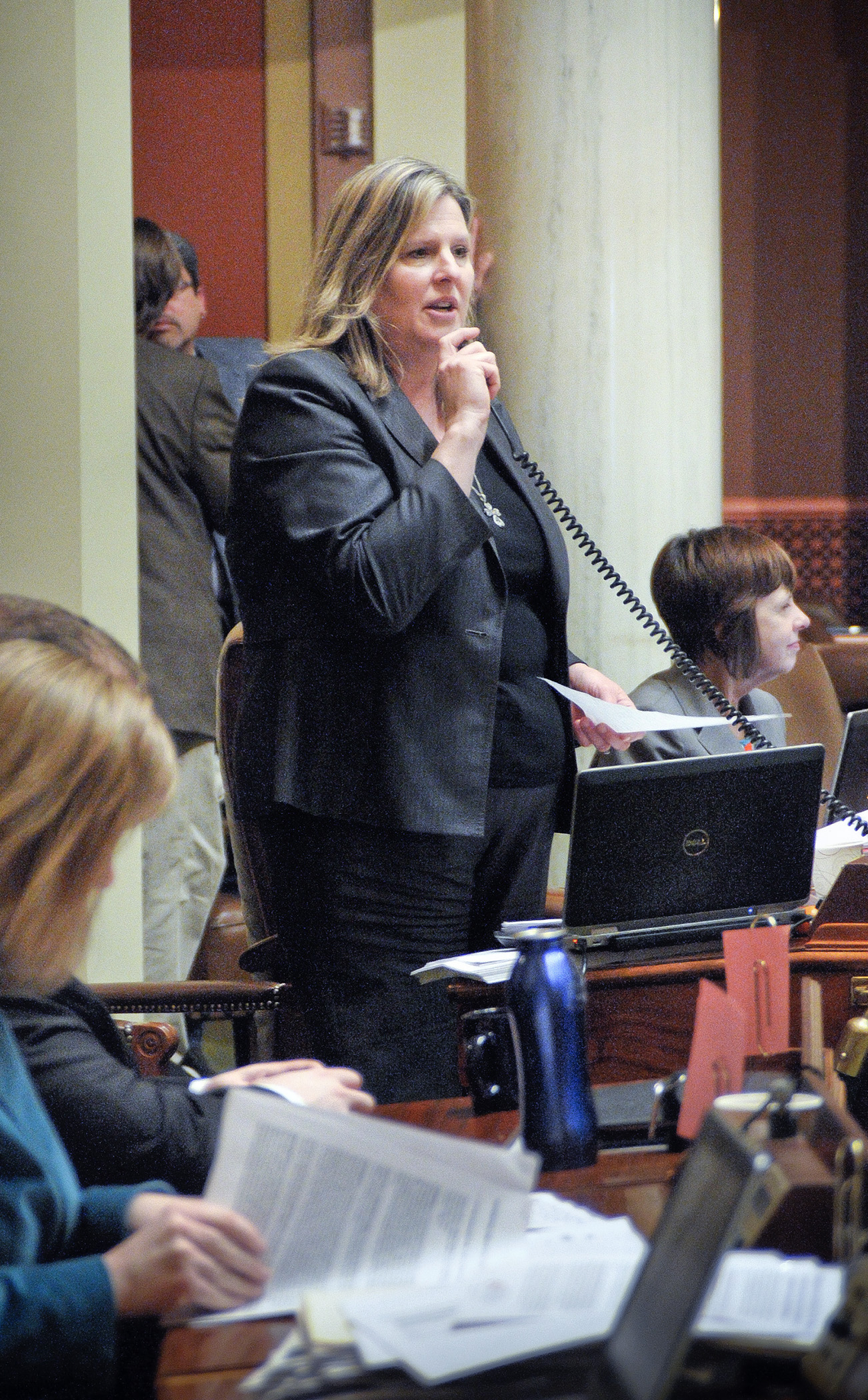
The House DFL has a lot riding on the omnibus tax bill – it’s the link to funding their session priorities and fulfilling campaign promises.
Look no further than the shift from storing information on a computer hard-drive to the cloud, and you’ll understand the importance of data practices. However, lines can blur over what information is considered public.
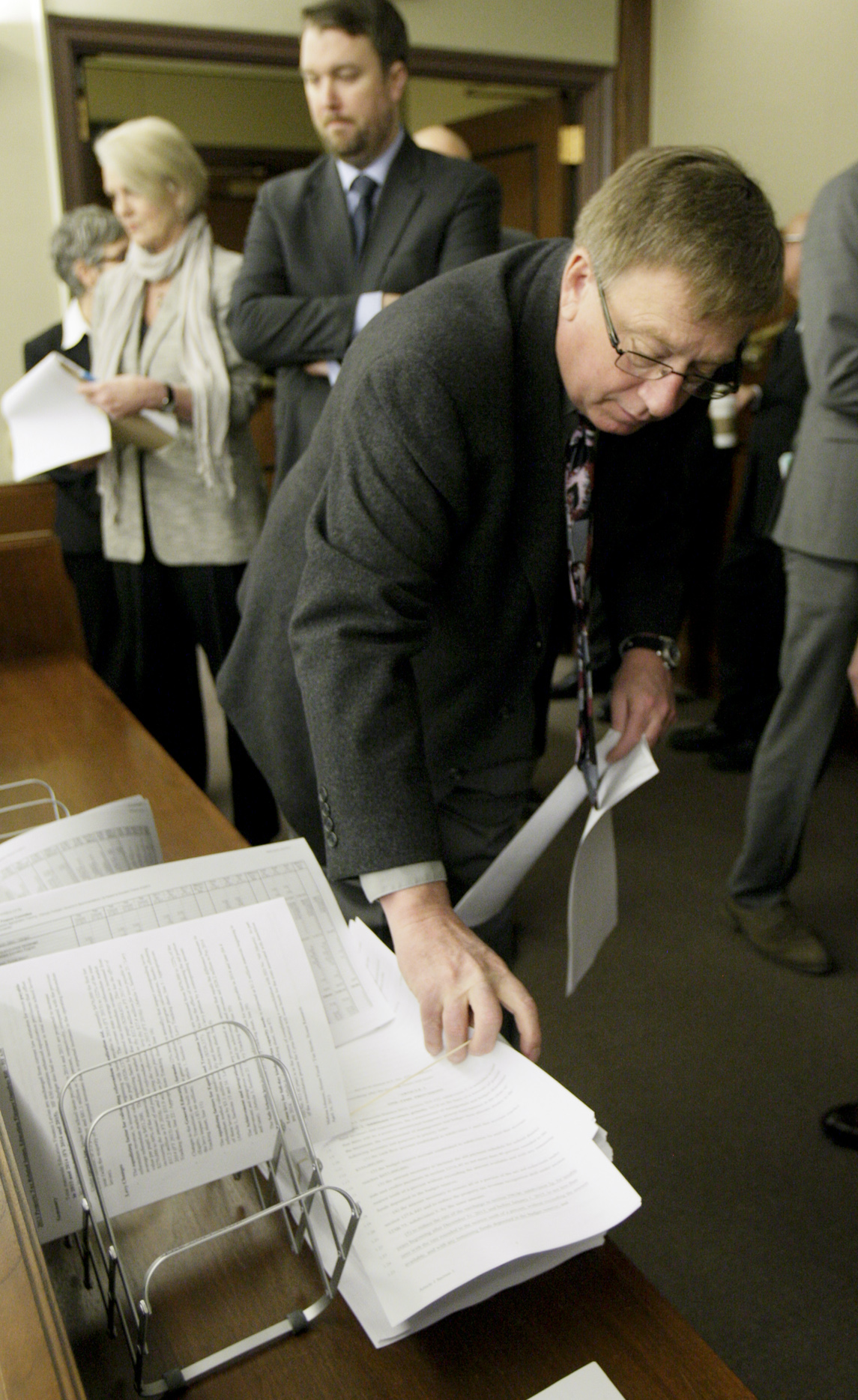
Those curious about what’s in the omnibus tax bill need only corner the lobbyists in the committee hearing room. From changes to local government aid; the proposed taxes on cigarettes and alcohol; to tax changes that affect the mining industry, these advocates are fixtures in the hearings to ensure the interests they represent are considered.
The DFL rolled out its tax plan Monday, just as many taxpayers were hurrying to meet today’s filing deadline for their 2012 taxes.
Service animals help those with disabilities navigate through their day-to-day activities. Under law, it is an unfair discriminatory practice to prohibit these animals from being in a public place.

Legislators swallowed hard as they considered a bill Wednesday that, as Rep. Steve Drazkowski (R- Mazeppa) said, is “intended to help pay for a mistake that we made.”
One of the quickest ways to start a legislative “food fight” between Twin Cities metropolitan area representatives is to mention two words — fiscal disparities. It’s a program, started in 1971, where communities with a large commercial-industrial tax base share the property tax dollars collected from the businesses with communities that don’t have that great a tax base.
