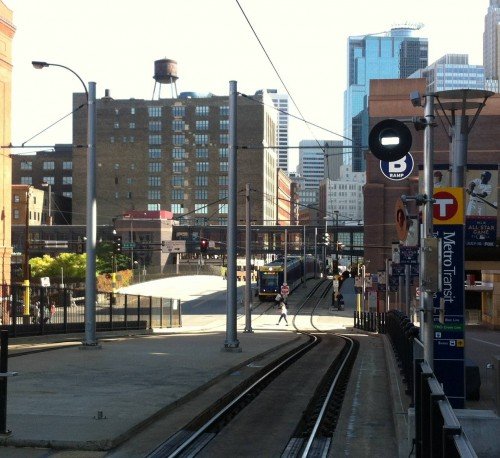
Although St. Paul’s traffic signals deserve most of the blame for slowing the Green Line, there’s room for improvement in Minneapolis as well. To be fair, Minneapolis deserves praise for its signal timing through the University of Minnesota campus, where trains are seldom delayed. They’ve also established a very good progression for westbound trains from the city limits to the Prospect Park Station, including the right turn from University Avenue onto 29th Avenue SE. Continue Reading
Last Saturday some neighbors, local business owners and I put on a Better Block event, and for one glorious day a pretty darn good commercial corner of Minneapolis (42nd Street and 28th Avenue) was made a much better place with trees, an on-street bike rack, a PARKlet, live music, a Ping-Pong table, and most of all, people enjoying themselves in our public space. There were even bubbles. Continue Reading
We often hear from transit advocates that expanding public transportation is good because it increases the choices available to people. Framing the issue this way reveals something about the deeper commitments of the supporters, namely that it is a good in itself simply to expand available avenues for people to assert their will. The ability to choose, regardless of the kinds of choices people make, is good. It is then often suggested that what the city or state or governing authority needs to do is incentivize certain choices above others; or it is hoped that people acting in their own rational self-interest will choose well. To increase available options is believed to be an equitable move insofar as it levels the field for choosing agents, enabling people who were previously limited with respect to transportation to increase their power. Continue Reading
According to the 2010 U.S. Census the eight largest Asian American populations in Minnesota are the Hmong, Asian Indian, Chinese, Vietnamese, Korean, Filipino, Laotian, and Cambodian communities. Specifically, 27 percent of the total population identify themselves as Hmong, 15.5 percent are Asian Indian, 11.7 percent are Chinese, 11.1 percent are Vietnamese, 4.9 percent are Laotians, and 3.9 percent are Cambodians (Figure 2). Continue Reading
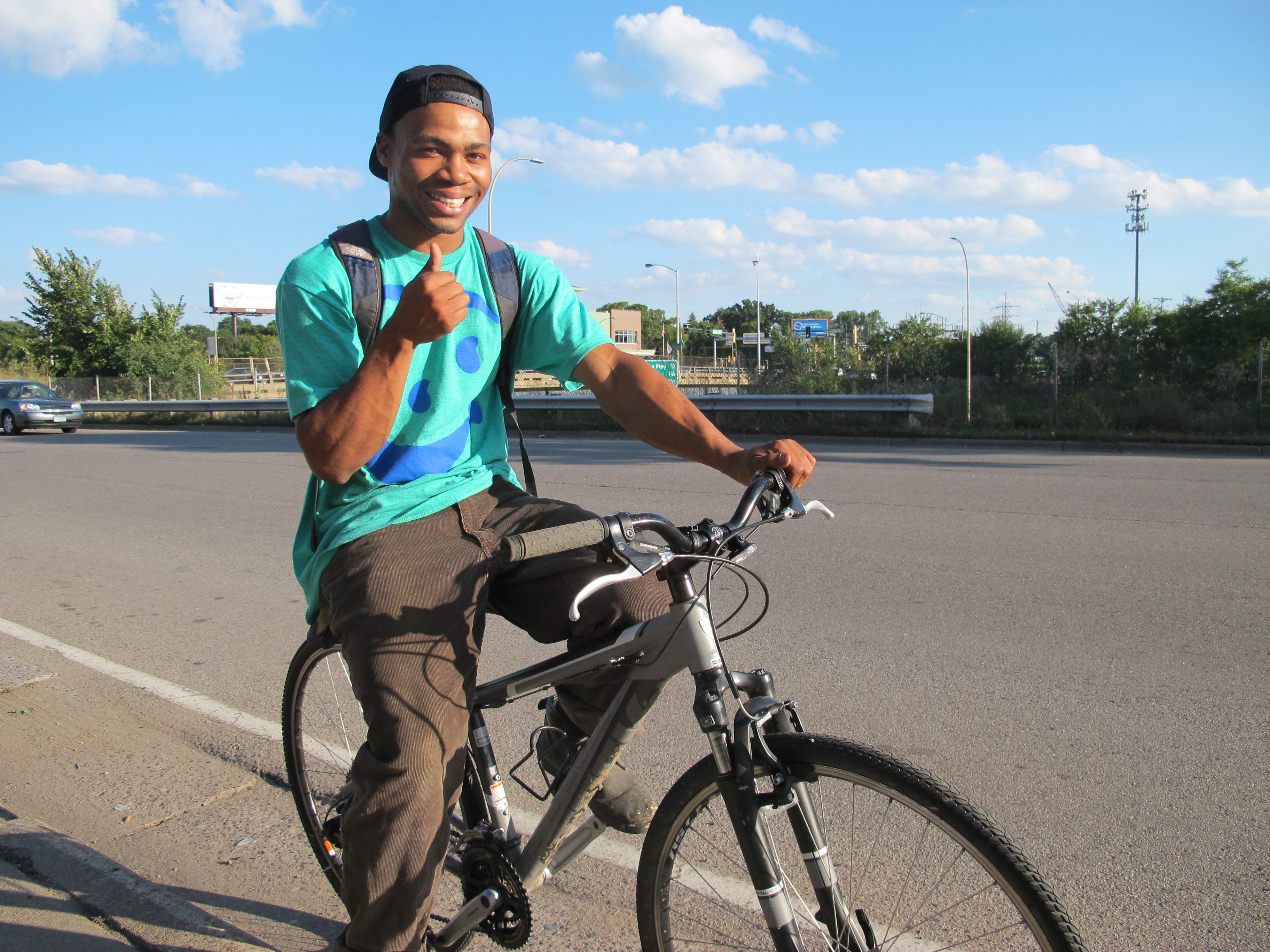
Minneapolis is a city with a commitment to “community”—there is this desire to participate in community events, meet our neighbors, be outdoors together and find new ways to interact with new neighbors and different cultures. Summer typically showcases this attitude but in Kingfield we saw a post-summer example this past weekend during Nicollet Open Streets. Continue Reading
For you, what’s the most obvious sign that time is passing and has passed? Like when you look around at the average scene in your everyday environment, and you’re able to determine that it’s not the same as five years ago, or a decade ago, or twenty years ago? With one notable exception, I’d have to say that for me, it’s gotta be cars. Cars! Continue Reading
When I discuss the problems in Minnesota’s education system with others, I frequently reference one telling statistic more than any other.No, it’s not proficiency scores; and it’s not graduation rates.It’s the fact that, over the past 70 years, the number of school districts in Minnesota has decreased by 96 percent! In 1947, there were 7,607 school districts in Minnesota. Today, there are just 328.This is a Community Voices submission and is moderated but not edited. The opinions expressed by Community Voices contributors are their own and do not necessarily reflect the opinions of the TC Daily Planet.The 96 percent decrease in Minnesota school districts roughly mirrors the trend toward educational centralization that happened across America over the last century.Presumably, a desire for efficiency drove this dramatic effort to centralize Minnesota’s and America’s education systems. Districts were increasingly consolidated (and they’re still being consolidated today) under the guise that we could better assure the education of our youth.But here’s the thing: centralization is not synonymous with efficiency. Sometimes centralization results in greater efficiency; other times, it acts as an obstacle to efficiency.And today, our increasingly centralized education system is more often than not a beacon of inefficiency. Continue Reading
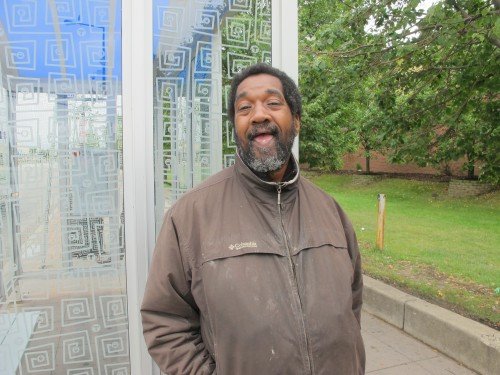
“I love MTC!”George stands at a bus stop on University Avenue on a blustery, 50 degree day, finishing his cigarette. He had been shopping at Wal-Mart. Continue Reading