A combination of pesticides, pathogens and a lack of pollen-producing flowers is causing a serious decline in the population of bees and other critical pollinators in Minnesota and across the nation, a House committee heard Monday.
NOTE: Land Stewardship Project members and staff met with Governor Mark Dayton about frac sand mining issues on Dec. 4 in Winona, Minn. The meeting began with Bob Christie of Utica, Minn., sharing his perspective as a lifelong farmer on why frac sand mining is wrong for southeast Minnesota. Gov. Dayton was visibly moved and asked for a copy of the statement, which is reproduced here: Continue Reading
For hundreds of years, miners toiling deep in the earth have taken small birds with them. If the air got bad, the canary died and the miners knew they had to get out fast or perish. Today we use the expression “a canary in the mine” to indicate an early warning. Honeybees are that warning species for people.
At the end of my 80-minute commute from St. Paul, I was greeted by the sound of sizzling hamburgers smothered in sauteed onions and pressed between grilled slices of home-made, multigrain French sourdough. Thank you, Linnea! What a sweetheart of a step-daughter. Her gift gave me an extra hour of time this evening – an opportunity to prepare an invoice and packing slip for beef that my husband Dave will drive to the farmer co-op warehouse tomorrow noon. Continue Reading
One of the clearest stories from the NAFTA experience has been the devastation wreaked on the Mexican countryside by dramatic increases in imports of cheap U.S. corn. But while Mexican farmers, especially small-scale farmers, undoubtedly lost from the deal, that doesn’t mean that U.S. farmers have won. Prices for agricultural goods have been on a roller coaster of extreme price volatility caused by unfair agriculture policies, recklessly unregulated speculation on commodity markets, and increasing droughts and other climate chaos. Each time prices took their terrifying ride back down, more small- and medium-scale farmers were forced into bankruptcy while concentration of land ownership, and agricultural production, grew. Continue Reading
Access to safe food is something that many of us take for granted. It is assumed that the jam we pick up from the farmers market or the chicken purchased from the grocery store will have been grown and processed in a way that will nourish, not harm, our health or the health of our family. Behind these and all food purchases is a long line of farmers and processors with the responsibility to ensure that we can be afforded this assumption of safety. Continue Reading
In October, I told the Minnesota House Environment, Natural Resources and Agriculture Finance Committee that we had begun to listen to our farm, an assertion lawmakers heard with some surprise. The occasion was testimony around the Minnesota Pollution Control Agency’s presentation of its “Nitrogen in Minnesota Surface Waters” report, which showed among other things that 73 percent of the nitrogen escaping into the state’s rivers is coming from cropland. My statement was a plea, really, the expression of a hope that Minnesota’s farmers would begin farming again. Continue Reading
An anti-corporate farming law in Minnesota may be helping to keep farmland prices in the state from inflating into the large bubble that appears poised to burst on the American farm economy the way inflated home values collapsed during the Great Recession.
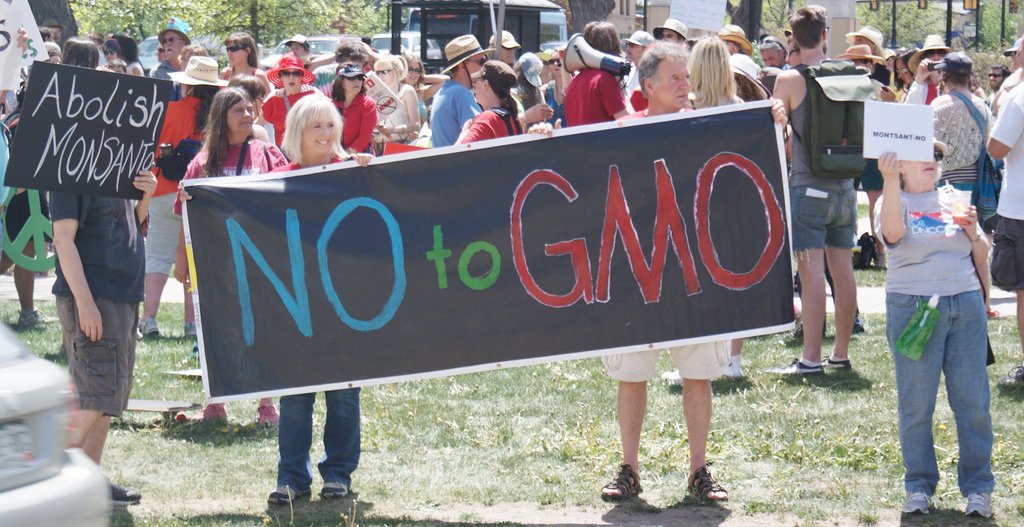
Next week the state of Washington will vote on mandatory labeling of Genetically Modified Organisms (GMOs) in food products. This is an important election and moment in the battle over GMOs, but in many critical ways, it is increasingly obvious to me that GMO opponents have already won. Continue Reading