In May of this year, Minneapolis was selected as the host city for the 2018 Super Bowl game, after a coordinated bidding process that involved local corporate leaders, municipal officials, and the Minnesota Sports Facilities Authority (MSFA). The formal bid for the event has been withheld from public records requests by the MSFA as “nonpublic” data under the Minnesota Data Practices Act. Consequently, the full scope of the public’s obligations to provide financial and material support to the event remain unclear. Continue Reading
A University of Minnesota leader could soon be moving his 15 years of community development expertise from campus to Minneapolis City Hall, a shift that he said will foster a stronger bond between the two institutions.
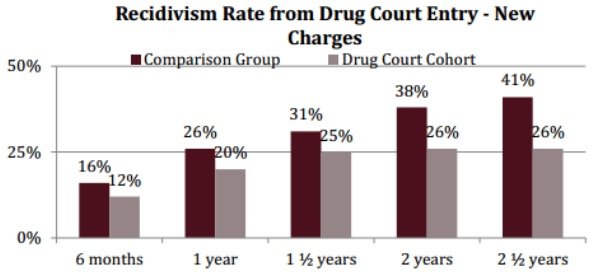
Miami built their first drug court almost 25 years ago as an alternative way to combat the rapid increase in cocaine-related crimes. It worked so well that by 1996, Minnesota followed suit, and now the state is expanding the program.Following a 2013 Minnesota Legislature funding increase, the Minnesota Judicial Council authorized the addition of six new drug courts in Minnesota last month, bringing the state’s total number to 44 courts serving 56 counties. And officials say the addition will help keep offenders from falling back into the system and save the state money when compared to traditional incarceration.“What [the researchers] found was if someone was sentenced to treatment [by a traditional court], most defendants didn’t even show up, and the ones who did dropped out,” said state drug court coordinator Jim Eberspacher. “If you don’t supervise the person and continue to provide services, the likelihood of them continuing down a path to sobriety is minimal. Drug courts attempt to provide all the services necessary to keep the person on the right path.”A 2012 state-wide evaluation compared 500 drug court participants to nearly 650 similar offenders who did not participate in the drug court program. Over the two and a half year study, drug court participants had a 17 percent recidivism rate compared to 32 percent of those who didn’t participate – almost a 50 percent reduction. Continue Reading
Women chair four of the 11 federally recognized Indian tribes in Minnesota. Carri Jones, chairwoman of the Leech Lake Band of Ojibwe, is one of them.In July 2012, Jones, then 32, became both the youngest person and the first woman in her tribe to be elected to this position. “It’s a real honor stepping in as a woman,” Jones said, noting that “the majority of the council was and is dominated by men.”She continued: “It shows women, especially younger women, that they can be successful if they put their mind into it and work hard.”Jones has been working hard for the tribe ever since she graduated from Bemidji State University in 2003 with degrees in accounting and business administration. She started as a file clerk in the band’s finance department and worked her way up to the controller position. Then, in 2010, Jones made a foray into tribal politics by entering the race for secretary/treasurer.After coming in third, Jones said she was disappointed at first. Continue Reading
The Metropolitan Council and the city of Minneapolis have announced a tentative agreement regarding the configuration of the Southwest Light Rail Project. The project’s path through the city of Minneapolis has been controversial, and the mediated agreement requires approval from a number of cities and government agencies before construction can begin. After the deal was announced yesterday, opponents weighed in as South West Light Rail Train advocates moved quickly to meet deadlines for getting federal money. Rico Morales filed this report. [Audio below]Find the original post here. Continue Reading
I’m not sure if I’m dreaming and someone needs to pinch me, or maybe I’m in the Bizarro Universe where everything is the opposite of what it seems. But I recently attended a community forum put together by 5th Ward Council Member Blong Yang around city housing and regulatory services policies, and I left with nothing critical to say. Continue Reading
It has been a busy few weeks for those of focused on restoring local authority to communities over the matter of building Internet networks. But for those of you who are just wondering what is happening, we haven’t done the best job of keeping you in the loop. Continue Reading
On my first day working in the DC office of OpenTheGovernment.org I was introduced to the security system, access code 7466. Colleagues seem bemused that I did not immediately recognize this as July 4, 1966, date of the initial passage of the Freedom of Information Act (FOIA). Since then the code has changed and I have learned more than I ever expected to know about FOIA. Truth to tell, I have come to have enormous respect for this fundamental legislation, the bulwark of our nation’s protection of the people’s right to know. Continue Reading
In my last blog, I discussed the disappointing yet legally sound court decision to strike down part of Minnesota’s Next Generation Energy Act. Most known for setting renewable energy and conservation mandates, this lesser-known piece sought to curb state emissions by restricting the import of electricity from new power plants that would raise Minnesota’s overall emissions. The decision highlighted the barriers states face as individual actors when addressing problems – like pollution – that aren’t confined to political boundaries. Continue Reading