Styrofoam banned in Minneapolis…again

A recent overhaul of an existing recycling ordinance in Minneapolis means that food and beverage vendors have until April 22, 2015 (Earth Day) to stop using containers made of expanded polystyrene or EPS foam. The material – which is most commonly known as Styrofoam – is difficult to dispose of sustainably: it turns into a toxic ash when burned, and takes centuries to deteriorate when landfilled, where it often breaks into smaller pieces animals mistake for food. It is also challenging and unprofitable to recycle, since it is often contaminated by food and is comprised largely of air. Continue Reading

New EPA guidelines: Minnesota on track

In my last blog, I discussed the disappointing yet legally sound court decision to strike down part of Minnesota’s Next Generation Energy Act. Most known for setting renewable energy and conservation mandates, this lesser-known piece sought to curb state emissions by restricting the import of electricity from new power plants that would raise Minnesota’s overall emissions. The decision highlighted the barriers states face as individual actors when addressing problems – like pollution – that aren’t confined to political boundaries. Continue Reading

So long and thanks for all the fish

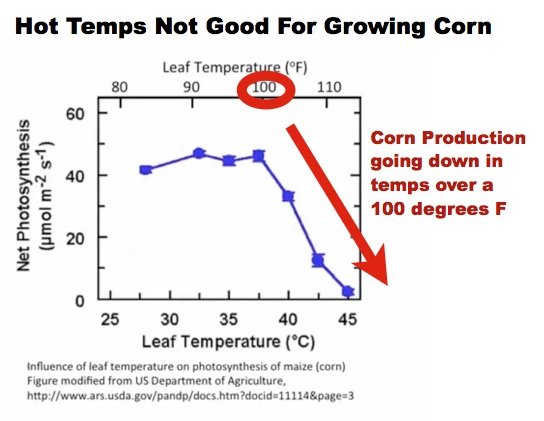
We are facing the destruction of everything so that oil oligarchs can extract more money for another decade or two. Never mind that there is no happiness left for the oil oligarchs left to buy. If we allow the oil oligarchs to burn the carbon reserves they currently own, total warming in 300 years would lead to 2.75 doublings of CO2, or a global temperature rise of about 12 °C. One more study says 12 °C would cause too much heat stress for humans to survive. Even if we could shelter humans under such conditions, the problem is that our main staples of food will not grow. Continue Reading

Waiting for the tent caterpillar invasion

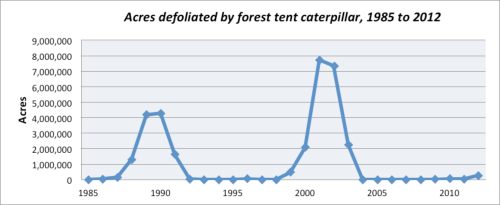
On a regular basis, Minnesota has insect plagues. The most famous is the locusts that would look like an incoming snowstorm. This year we may have the tent caterpillar invasion. Our cold spring may have saved us this year, although there is just enough seed population that the tent caterpillar invasion will happen one of these years. Just to give you an idea of the cycles, here is a chart published by the Minnesota DNR. Continue Reading