
Up the viral staircase
|
About fifteen years ago I heard how blogging would change the world of journalism and transform the ways we consume information. Continue Reading
Twin Cities Daily Planet (https://www.tcdailyplanet.net/category/special-sections/media/page/5/)
About fifteen years ago I heard how blogging would change the world of journalism and transform the ways we consume information. Continue Reading
Access Press is celebrating its 25th Anniversary! Congratulations are in order – and thanks! So also is this post which I hope is redundant for many regular readers of this monthly treasure trove of information about the disabilities community. Continue Reading
There are times when my sensibility gets in the way of being able to carry out my job as a writer, and there are times when it works for me. I’m constantly either pushing against it or allowing it, and then questioning myself afterward about whether I swayed too much one way or the other.Specifically, I worry. I worry about the people I write about, especially when I’m writing about communities that have historically been underrepresented. I think a lot about privilege in my work, and how my access and/or gatekeeper status as a writer affects those communities. There’s a part of me that wants to be an ally, and that does play a role in how I cover things and what I cover, but I know that as a journalist I can never leave all objectivity behind. Continue Reading
Urban radio remains one of the strongest forces to spread style, music, culture and ideas throughout the world.
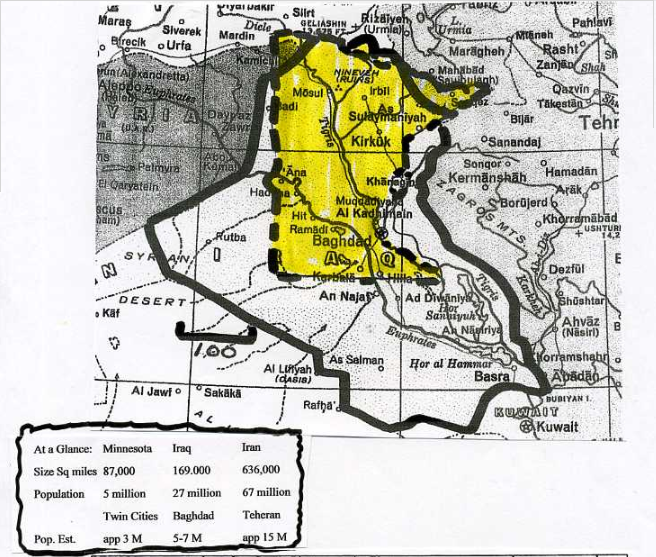
Pre-note: three interesting links at the end of this post.
First Comment from Kathy M, June 18:
To your point of questioning what our media tells us…You may have heard that the religious leader of Shia Muslims was fomenting violence. This article is considerably nuanced…complexity we Americans tend to overlook.
More comments at end of this post. Continue Reading

This year, a dozen people will have the chance to tell their stories and become first time documentarians through the Doc U program at Saint Paul Neighborhood Network (SPNN) St. Paul’s non-profit community media center. Past participants have walked away with a new outlook on the world in addition to new skills. “[Doc U] was an important experience,” said Chamath Perera, who participated in the 2013 class, creating a documentary on a Buddhist monk living in Minnesota. “Making a film was a dream long deferred, since high school, I think. Continue Reading
On June 12, I attended a listening session of the St. Paul Public Schools. There was a bit of a hullabaloo when I came to the meeting. After I told the staff member taking names that I was a reporter, I was directed to speak with Tyrize Cox, Director of the SPPS Office of Family Engagement and Community Partnerships and the facilitator for the evening, and Michelle Walker, Chief Academic Officer for the district. While they didn’t tell me I couldn’t attend the meeting, they questioned why I would be there, saying that it wasn’t a real school board meeting but an informal listening session with a few of the board members. Continue Reading
The week just completed marked the 70th anniversary of D-Day (June 6) but the June 4, 2014, USA TODAY someone left in the McDonalds in Wahpeton ND, marks the true nature of “news” this past week. Indeed, the newspaper carried a long article on D-Day on page three; but the front page lead story was: “Bergdahl under new scrutiny”. A safe assumption: anyone who follows “news” knows who “Bergdahl” is, at least as portrayed in the media. Continue Reading
So, what’s it like working for the clampdown?
For the past few weeks, I’ve wanted to pose this question to my friends and contacts who work for the Minneapolis Public Schools (MPS).
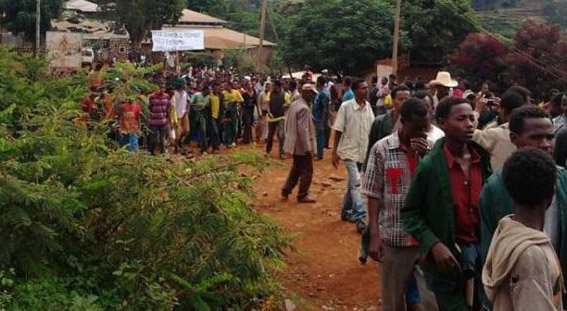
Since April 25th, thousands of high school and university students across Ethiopia’s largest region, Oromia, have turned out in peaceful protest against a government land grab that stands to displace millions of indigenous peoples from their ancestral lands. Even though the country’s constitution theoretically allows for peaceful demonstrations, the student protesters, along with local populations in many cities and towns, have faced a ruthless crackdown from Ethiopian Special Forces, known as the Agazi Commandos. These forces have used excessive violence by indiscriminately shooting into crowds in an attempt to quash the protests. Children as young as eleven years old have been killed, according to statement issued by Amnesty International on May 13, and reports of fatal injuries, torture, imprisonment, disappearances and killings have been coming out of Ethiopia since then.