In attempts to combat rising smartphone theft across the nation, U.S. Sen. Amy Klobuchar, D-Minn., is planning to introduce a bill requiring cellphone manufacturers to include a “kill switch” on their products.
There are some hopeful signs for education policy coming out of the new federal spending bill, and not just for the programs that got big wins. In addition to restoring most of the federal money cut during the sequester, the bill also includes some tweaks to school turnaround that suggest a rewrite of No Child Left Behind (NCLB) might actually be possible at some point. Continue Reading
In a decision announced a few hours ago, the DC Circuit of Appeals has largely ruled against the Open Internet, or network neutrality. These are rules established by the Federal Communications Commission to prevent massive ISPs like Comcast and AT&T from degrading or blocking access to certain sites on the Internet. Decision here [pdf]. Continue Reading
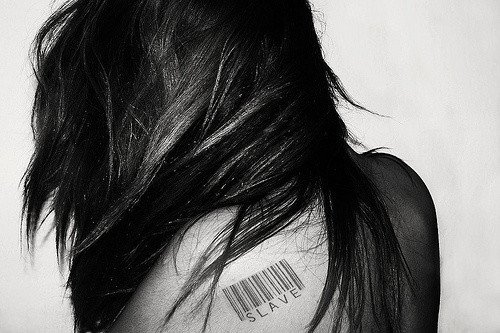
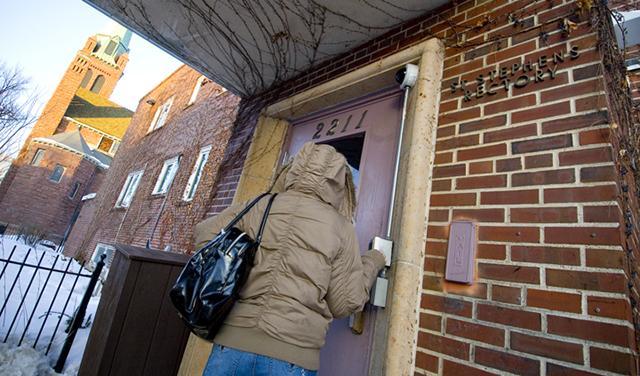
Minnesota passed the Safe Harbor for Sexually Exploited Youth Act in 2011, laying the groundwork for a victim-centered response to sexually exploited children and those at risk of sexual exploitation. The Advocates for Human Rights knew when we drafted the Safe Harbor Act that it marked a sea change in how sexually exploited youth are treated in Minnesota by identifying these kids as victims of crimes, rather than criminal perpetrators. Continue Reading
The illusion of choice takes away from our ability to get to a just, sustainable food system, meaning we’ll have to “Vote with our Vote.” We can’t afford to just “Vote with our Fork.” Continue Reading
Congress has just passed a budget for Fiscal Year 2014. The amount authorized in the budget is $1.012 trillion. This amount covers only federal discretionary spending and does not reflect the reality of what our federal government spends in totality. So, where does all the money come from, and where does it go? Continue Reading
Numbers of homeless veterans and chronically unsheltered people in Minnesota are down, though the numbers of homeless families has increased, according to a nationwide annual count by the federal government.Local researchers and advocates for the homeless can agree with those trends.It’s the estimated tally of Minnesotans without a permanent place to lay their heads they take issue with.The official homeless assessment prepared by the U.S. Department of Housing and Urban Development for Congress released late last month estimates there were 8,214 homeless Minnesotans on a particular night last January.Housing and Urban Development estimated that there were over 8,000 homeless Minnesotans in January 2013. (Graphic courtesy U.S. Department of Housing and Urban Development)Compare that to an October 2012 survey overseen by Wilder Research in October 2014. That effort, also done on one particular day, tallied 10,214 homeless.Community Sketchbook, reported and written by Cynthia Boyd, focuses on the economic and social challenges facing communities, especially low-income communities and communities of color, and how people are trying to address them. It is made possible by sponsorship support from The Minneapolis Foundation. Community Sketchbook articles may be republished or distributed, in print or online, with credit to MinnPost and the foundation.So did the numbers of homeless drop 2,000 people in the course of about three months?“Absolutely not,” said Cathy ten Broeke, state director to prevent and end homelessness.The difference, she says, is in the details and the methodology, in other words the more comprehensive nature of the Wilder effort, as well as the fact in some cases it’s hard to find the homeless in Minnesota winter, especially in rural areas. Continue Reading
Although I have not suffered the agony of navigating my way through this country’s broken immigration system, I have experienced the trauma that it causes by keeping people from the ones they love. It is something I think about as I follow the Fast for Families happening in Washington, D.C., and events across the country in support of commonsense immigration reform.I am an African-American. Born outside of Minneapolis to immigrant parents from Eritrea, I was well aware of the challenges of the immigrant experience, but it wasn’t until I told my parents about my work on SEIU’s immigration reform campaign that they related to me the details of my mother’s experience living as an undocumented worker for the first few years of my life.My mother entered the United States after fleeing Saudi Arabia; she was granted a visa to visit my father, who had arrived the year before as a refugee after working at a camp in Sudan. My parents were engaged in Eritrea but separated by the effects of war.By the time my sister and I were born, our mother’s visa had expired and she was facing deportation. In our culture, it’s nearly sinful to separate young children from their mother, so my parents were struggling with this choice: to keep their children from their mother and raise them in the country they sacrificed so much to reach, or to raise them away from their father in their war-torn homeland.My father–the very stubborn, but also incredibly smart man that he is–insisted that our family would not be separated. Continue Reading
Tuesday is scheduled to be the day that everything changes. Not everything, really, but it’s the day that the “Volcker Rule” will finally go into effect. “Leave the capital markets to their own devices without any expectation of government protection and keep the existing safety net for the commercial banking system,” Volcker said in 2009. In practice, this means that commercial banking, with deposits backed by the FDIC, have to be separated from stock trading and similar activities. Continue Reading