FREE SPEECH ZONE | Macy’s Food Court
|
If there is a day where I am at a loss of what to eat, I usually go check out the Macy’s Food Court on the lower level. Lots of eats.
Twin Cities Daily Planet (https://www.tcdailyplanet.net/tag/food/page/13/)
If there is a day where I am at a loss of what to eat, I usually go check out the Macy’s Food Court on the lower level. Lots of eats.
Do you run any booths at a farmer’s market? Do you have any experience with handling “food stamps,” or what is now known as the Supplemental Nutrition Assistance Program (SNAP)?

Urban gardens and farms are popping up across North Minneapolis, redefining environmental justice as a quest for solutions for urban spaces. This June and July a team of young people, wo
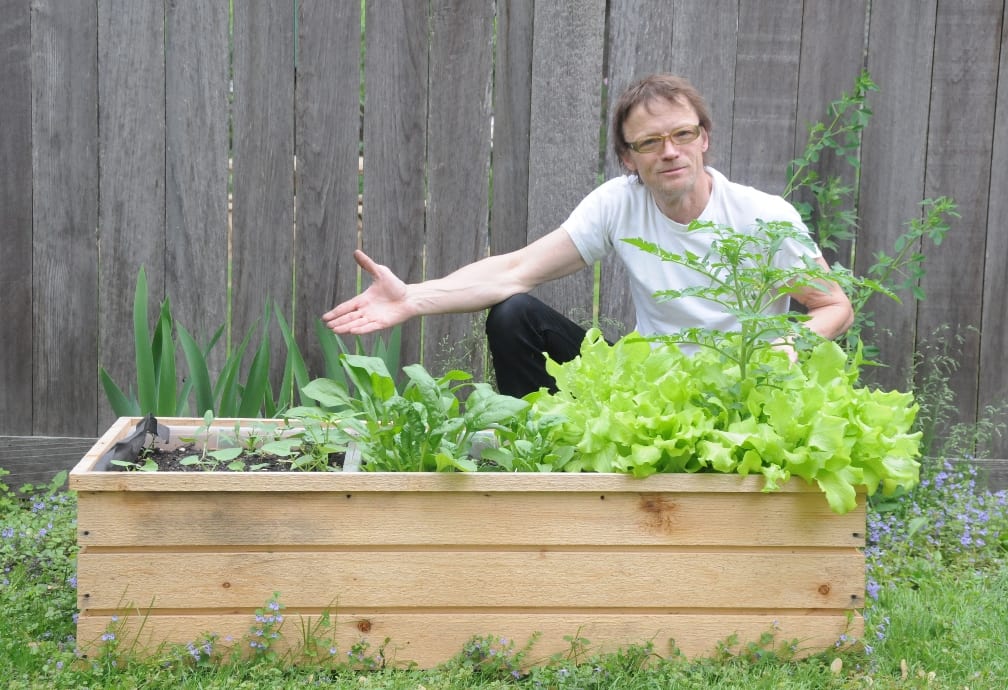
The curiosity of my landlord upon the delivery of the cedar enclosure; the neighbors’ hundred questions; their kids’ eyes opening wide upon the filling of the reservoirs; nosy passers-by (and squirrels) taking an extra beat; in fact no honest person could have denied interest. “So, you don’t have to water it for a month? What happens then? Where did you get it? How much did it cost? Continue Reading

Dog-lovers and their canine friends can get together this Thursday at the Metrodome to socialize, sniff and help hungry pets in need.
The winter’s last Dog Days at the Dome event will be held March 4 from 5 to 9 p.m. Organized by Podium Sports Marketing, this is a monthly get-together in which people bring their dogs to run and play off-leash in the Metrodome concourse. The entry cost is only $1 per dog, though The Pet Project will be accepting pet food donations for its food shelf drive. The Twin Cities-based nonprofit seeks to keep people with their pets by providing financially struggling owners with food, basic supplies and access to veterinary care. Pet Project founder Kim Carrier said she’s hosting the pet food drive this month so it coincides with Minnesota FoodShare’s annual March Campaign. The campaign’s organizers said the month-long drive raises more than half the food distributed annually at food shelves across the state. Continue Reading

Despite the significant trend away from family farming in Minnesota and elsewhere – for many reasons giving way to the power of (often polluting and environmentally unsound) corporate farming enterprises, chemical companies and federal farm policies, Minnesota is showing growth in small to mid-sized family farms. Why? Because we are blessed by a surge in farms run by minority and immigrant families as a counterweight to the massive feedlots, bio-fed livestock, and chemically infused fruit and vegetable crops. Most of us now know that farmers’ markets are multiplying throughout our cities, providing us with farm-to-table fresh and nutritionally better foods. Again, we can thank enlightened organic farmers who practice strong, sustainable and healthy alternatives to the highly processed foods peddled in most of our supermarkets. The Minnesota Food Association, the Association for the Advancement of Hmong Women in Minnesota, and the USDA-Farm Service Agency will jointly co-host the 5th Annual Minority and Immigrant Farming Conference (brochure/registration) – February 19-20, 2010, in the Wilder Foundation Auditorium in St. Continue Reading

When I saw that the Daily Special scramble at Anodyne Coffeehouse, 43rd and Nicollet Ave. Continue Reading
Sandi lives in the St. Paul Park area with her husband and two children. She came to a local food shelf this week so she’d have food on the table.Her family was making ends meet – able to pay their monthly mortgage and feed and clothe their two children – until a little over a month ago when her husband, an over-the-road truck driver, was cut back to a 20-hour work week.”They didn’t have enough work for him,” said Sandi, 40, who is embarrassed by her situation and told her story only on condition her last name not be used.Sandi and her family are among a growing number of Minnesotans – many from middle-class backgrounds – who fear going to bed hungry and are turning to emergency food shelves.Community Sketchbook focuses on the economic and social challenges facing communities, especially low-income communities and communities of color, and how people are trying to address them. It is made possible by support from the John S. and James L. Knight Foundation, The Minneapolis Foundation, and some Minneapolis Foundation donor advisors.Community Sketchbook articles may be republished or distributed, in print or online, with credit to MinnPost and the foundations.The number of Minnesotans walking through those doors to gather up grocery bags full of such items as cereal, milk, ground beef and canned peaches rose 24 percent between 2008 and 2009, according to Hunger Solutions Minnesota.From January through September of last year, 433,093 Minnesotans – that’s 1 in 12 of our citizens – used an emergency food shelf at least once. (Two years ago, that was 1 in 17.)Add up all visits to food shelves, including multiple visits by the same people, and the number rises to 1.9 million visits.That’s a tidal wave of need yet so far it’s being met with substantial federal government help, according to Hunger Solutions, the agency that funnels aid from the feds to the state’s six regional food banks and on to 290 food shelves around Minnesota. Private sector donations of cash, food and volunteer hours also provide major support for food give-away programs. Visits to food banks, pounds of food dispensedSource: Hunger Solutions Minnesota Hunger Solutions MinnesotaUse is up at five of the six food banks around the state, though numbers have decreased in the Crookston area, a phenomenon Hunger Solutions staff is investigating. Continue Reading
Ah, another sunny Saturday morning at the Mill City Farmers Market. Before you can snag your first glass of freshly squeezed OJ, you find yourself pinned by a web of waving arms as people point at their intended treats, thrust cash into the hands of vendors, and swing their purchases jubilantly in front of them. If you’re not careful, you might even get speared by an errant food-sampling toothpick. Farmers markets are practically dangerous in their popularity. The Free Speech Zone offers a space for contributions from readers, without editing by the TC Daily Planet. Continue Reading
