Kenya’s presidential election has garnered much international media attention in the past few weeks, and Kenyans in the diaspora have been an integral part of the conversation.
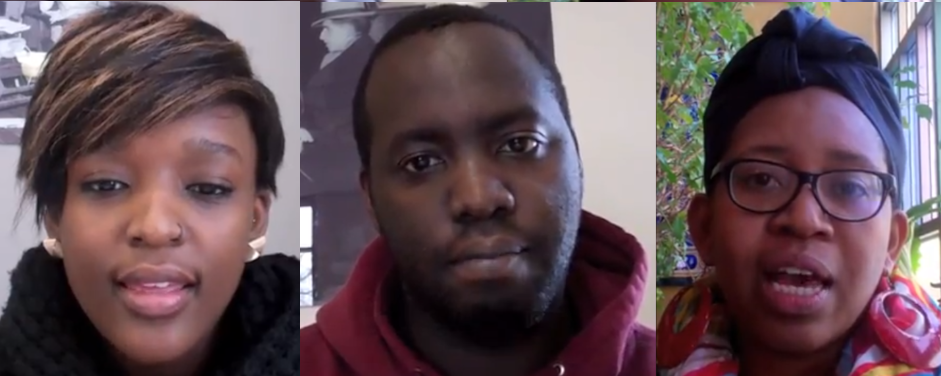
Whether through the Twitter hashtag “#KenyaDecides,” or through Facebook and Youtube, Kenyans worldwide have ensured their voices are heard, including Minnesota’s considerable Kenyan community. Three Kenyan diasporans living in Minnesota shared their views on video with the Twin Cities Daily Planet to briefly discuss their thoughts on the Kenyan election. They are:
- Julia Nekessa Opoti is a Twin Cities resident and journalist.
- Charlene Bogonko is a University of Minnesota student and Twin Cities resident.
- Bundi Ikaio is an international student at the University of Minnesota from Kenya.
Our respondents each have different backgrounds, different relationships to Kenya, and various views on the election and international media coverage of the country’s election process.
Uhuru Kenyatta, who is currently facing charges by the International Criminal Court, won the election by a narrow margin, according to the official announcement. The 2013 election is significant because it is the first presidential election since the 2007 vote. That election led to clashes along tribal lines and more than 1,000 people dead. This year’s election was a largely peaceful process, despite mainstream media’s disproportionate focus on ethnic conflict and instability.
“What people need to keep in mind is this is Kenya’s first election [under the new constitution], it’s a whole new system of government and there are many different ballots,” said Tom Gitaa, a native of Kenya based in Minneapolis, and publisher and founder of Mshale newspaper. He urged Kenyans in the diaspora to be patient with the process and “with the mechanics of the whole thing.”
These are the questions our three Kenyan diasporans were asked on camera:
1. Why is this election important to you as an Kenyan diasporan?
2. Diasporans were not allowed to vote during the election. How did this affect you as a diasporan?
3. What have you been doing to make sure your voice is heard during the election?
4. What do you think about international media coverage of the election? Did media get it right?
5. What are you most optimistic about and most anxious about with this election?
Comment